Pakistani Pulao – Traditional Punjabi Rice Dish & Food Culture
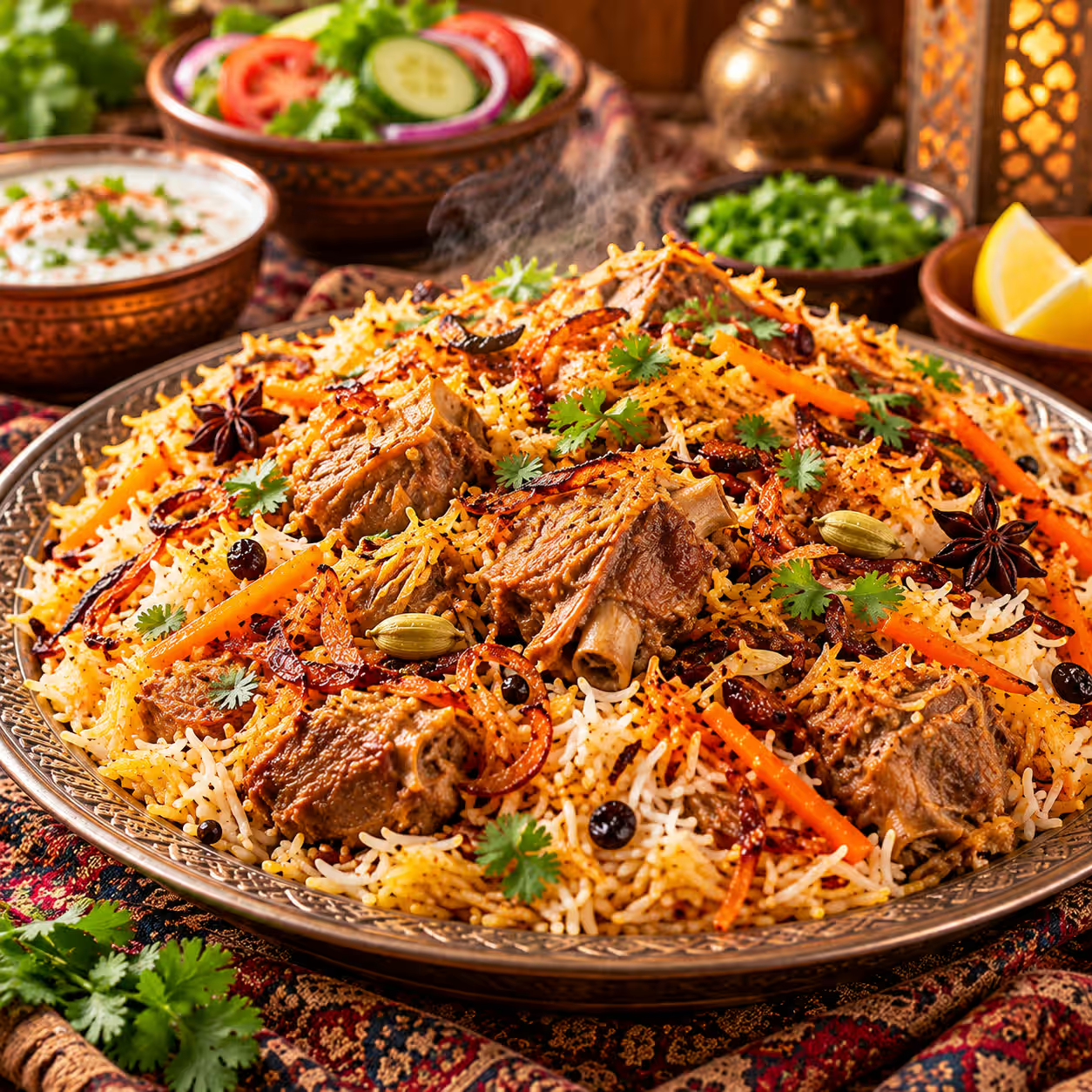
Pakistani pulao is a fragrant rice dish prepared with basmati rice, flavorful stock, meat and aromatic spices. It is one of the best-known rice dishes in Pakistan and has a strong presence in home cooking, restaurants, family gatherings and celebratory meals.
Within Punjabi cuisine, pulao fits naturally into a food tradition where rice, meat, aromatic spices, yogurt-based accompaniments and generous shared meals play an important role. At the same time, pulao is not exclusively Punjabi. Different forms of pulao are prepared across Pakistan, with regional and household differences in meat, spices, vegetables, stock and cooking methods.
Traditional Pakistani pulao is usually distinguished from biryani by its emphasis on fragrant stock or yakhni, whole spices and integrated rice cooking. The rice absorbs the flavor of the cooking liquid as it cooks, creating a dish in which the aroma of the broth becomes part of every grain.
Punjabi-style preparations can vary considerably. Some versions emphasize meat and yakhni, while others include carrots, peas, potatoes, raisins or other ingredients. Family recipes may be relatively mild and aromatic, whereas restaurant versions can be richer and more heavily seasoned.
This guide explores Pakistani pulao in depth: its place in Punjabi food culture, ingredients, yakhni, cooking techniques, meat varieties, regional differences, serving traditions, differences from biryani and other rice dishes, common cooking problems, and its role in Pakistani cuisine.
What Is Pakistani Pulao?
Pakistani pulao is a rice-based dish in which rice is cooked with a seasoned stock, commonly prepared from meat, spices and aromatics.
The basic cooking concept involves:
- Preparing a flavorful stock or yakhni.
- Cooking the meat until tender.
- Preparing the rice.
- Combining the rice with the seasoned cooking liquid.
- Allowing the rice to absorb the stock.
- Finishing the dish through gentle steaming.
- Resting the rice before serving.
The result is usually fragrant, savory rice with individual grains and a relatively balanced spice profile.
Unlike a heavily spiced curry served beside plain rice, pulao develops much of its flavor inside the rice itself.
Is Pakistani Pulao a Punjabi Dish?
Pakistani pulao has a strong place in Punjabi food culture, but it is important not to describe it as exclusively Punjabi.
Pulao is prepared in different parts of Pakistan, including Punjab and other regions, with local variations.
The Punjabi connection is particularly relevant when discussing:
- Family-style rice meals
- Meat-based pulao
- Yakhni cooking
- Large gatherings
- Wedding food
- Restaurant traditions
- Rich meat stocks
- Basmati rice
A Punjabi household may have its own pulao recipe that differs significantly from another family’s version.
Therefore, Punjabi pulao is best understood as a regional expression within the wider Pakistani pulao tradition.
Pakistani Pulao in Punjabi Cuisine
Punjabi cuisine is known for substantial meals, aromatic spices, breads, dairy-based accompaniments, grilled meats, legumes and rice dishes.
Pulao fits this culinary environment particularly well.
A Punjabi-style meal featuring pulao may include:
- Meat pulao
- Raita
- Fresh salad
- Pickles
- Chutney
- Yogurt
- Seasonal vegetables
- Chai after the meal
The meal is often designed for sharing rather than individual plating.
This is especially noticeable during family gatherings, weddings and other occasions where large quantities of food are prepared for guests.
What Does Traditional Pakistani Pulao Taste Like?
Traditional Pakistani pulao is generally aromatic rather than overwhelmingly hot.
Its flavor may include:
- Fragrant basmati rice
- Savory meat stock
- Onion
- Ginger
- Garlic
- Cumin
- Cardamom
- Cinnamon
- Cloves
- Black pepper
- Bay leaf
- Fresh coriander
The precise combination depends on the recipe.
A good pulao should have enough seasoning for the rice to taste flavorful on its own, while still allowing the natural character of the rice and meat stock to remain noticeable.
Why Yakhni Is Important in Pakistani Pulao
One of the most important concepts in traditional pulao is yakhni.
Yakhni is a flavorful broth or stock prepared by cooking meat with aromatics and whole spices.
The liquid can contain flavors extracted from:
- Meat
- Bones
- Onion
- Ginger
- Garlic
- Whole spices
- Herbs
- Salt
When rice is cooked in this stock, it absorbs the flavor.
This creates an important distinction between pulao and rice that is simply boiled in water and served alongside a curry.
Yakhni and Meat
Bone-in meat can be particularly useful for a flavorful stock because bones and connective tissues can contribute body and savory depth.
Mutton and beef are often particularly suited to long stock preparation.
Chicken can also produce a flavorful yakhni while generally requiring less cooking time.
Yakhni and Rice
The rice-to-liquid relationship is critical.
If the stock is weak, the pulao can taste bland.
If too much liquid is used, the rice can become soft or mushy.
This is why experienced cooks pay close attention to the stock before adding the rice.
Basmati Rice in Pakistani Pulao
Basmati rice is one of the defining ingredients of many Pakistani pulao preparations.
Its long grains and aroma make it especially suitable for rice dishes in which the rice itself is an important part of the final experience.
Good pulao rice should ideally be:
- Long-grained
- Fragrant
- Tender
- Fluffy
- Relatively separate
- Properly seasoned
However, rice quality alone does not guarantee success.
Cooking technique matters just as much.
Preparing Basmati Rice for Pulao
Rice is commonly washed before cooking.
Washing removes some surface starch and can help reduce excessive stickiness.
Many cooks also soak basmati rice before cooking.
Soaking can help the grains hydrate more evenly and may contribute to longer, more separate grains.
However, the amount of liquid required afterward depends on the rice and cooking method.
There is no universal water ratio that works for every brand and every kitchen.
Factors include:
- Rice variety
- Rice age
- Soaking time
- Pot size
- Cooking temperature
- Amount of stock
- Evaporation
- Cooking method
Main Ingredients in Traditional Pakistani Pulao
Although recipes vary, several ingredients appear frequently.
Basmati Rice
Provides the structure of the dish.
Meat
Common options include:
- Beef
- Mutton
- Chicken
Onion
Adds sweetness and depth.
Ginger
Provides fresh aromatic heat.
Garlic
Adds savory aromatic depth.
Cumin
Contributes an earthy fragrance.
Cardamom
Provides a sweet, floral aroma.
Cinnamon
Adds warmth and subtle sweetness.
Cloves
Give the rice a strong aromatic note.
Black Pepper
Adds gentle heat.
Bay Leaf
Contributes herbal fragrance.
Fresh Coriander
Often used as a finishing garnish.
Carrots and Other Vegetables
Some Punjabi and Pakistani variations include carrots, peas, potatoes or other vegetables.
Meat Choices for Pakistani Pulao
The choice of meat significantly changes the character of the dish.
Pakistani Mutton Pulao
Mutton is particularly suitable for traditional pulao because it can produce a rich stock.
The meat is often cooked until tender before the rice completes the dish.
A well-developed mutton yakhni can give the rice substantial flavor without requiring excessive ground spices.
Pakistani Beef Pulao
Beef pulao is another popular variation.
Beef generally requires longer cooking than chicken, particularly when tougher cuts are used.
The cooking process needs to be coordinated so that the meat is tender before the rice reaches its final stage.
Pakistani Chicken Pulao
Chicken pulao is a practical option for home cooking.
Chicken generally cooks faster than beef or mutton, making it suitable for relatively quick family meals.
The chicken can still produce a flavorful stock when cooked with aromatics and spices.
Punjabi-Style Pulao and Family Recipes
One of the most interesting aspects of Pakistani pulao is the difference between family recipes.
A household recipe might use:
- More onions
- Fewer spices
- Extra black pepper
- Carrots
- Raisins
- Potatoes
- More or less meat
- A stronger yakhni
- A milder spice profile
These differences do not necessarily mean one version is authentic and another is not.
Traditional dishes evolve through families and regions.
Pulao for Punjabi Weddings and Large Gatherings
Rice dishes have an important place in Pakistani celebrations.
Pulao can be prepared in large quantities, making it suitable for:
- Weddings
- Family celebrations
- Religious gatherings
- Community events
- Eid meals
- Large lunches
Large-batch cooking also creates its own technical challenges.
The cook must manage:
- Large quantities of rice
- Liquid distribution
- Heat
- Steam
- Meat tenderness
- Timing
- Resting
Cooking a small pot of pulao at home is therefore not exactly the same as preparing a large wedding-style batch.
Pakistani Pulao vs Biryani
Pulao and biryani are two of the most recognizable Pakistani rice dishes.
They share ingredients, but their cooking structures differ.
| Feature | Pakistani Pulao | Pakistani Biryani |
|---|---|---|
| Main liquid | Yakhni or seasoned stock | Spiced meat masala and cooking liquid |
| Rice method | Commonly cooked directly in stock | Often partially cooked and then layered |
| Spice style | Often aromatic and balanced | Often more intensely seasoned |
| Layering | Usually not central | Characteristic |
| Meat | Integrated with rice | Often layered with rice |
| Flavor emphasis | Stock, meat and whole spices | Masala, spices and layered aromatics |
| Texture | Fragrant, relatively uniform | Distinct rice and masala layers |
These are broad culinary distinctions. Individual recipes can blur the boundaries.
Why Pulao and Biryani Are Sometimes Confused
Both can contain:
- Basmati rice
- Meat
- Onion
- Ginger
- Garlic
- Whole spices
- Fresh herbs
Both can also be served at weddings and family gatherings.
The major difference is the cooking structure.
Pulao generally develops its flavor by cooking rice directly in a seasoned stock.
Biryani is strongly associated with a layered method in which partially cooked rice and a seasoned meat or masala mixture are combined and finished together.
Pakistani Pulao vs Fried Rice
Pakistani pulao is not the same as fried rice.
Fried rice usually involves cooking rice separately and then stir-frying it with other ingredients.
Pulao generally cooks the rice directly in seasoned liquid.
This means the flavor enters the rice during the cooking process rather than primarily through frying after the rice has already been cooked.
Pakistani Pulao vs Plain Rice With Curry
Plain steamed rice and curry are also different from pulao.
With plain rice:
- Rice is generally cooked separately.
- Curry is served alongside it.
- The rice itself may be relatively neutral.
With pulao:
- The rice is part of the main preparation.
- Stock flavors the grains during cooking.
- Meat and aromatics are integrated into the dish.
This makes pulao more self-contained as a meal.
Common Variations of Pakistani Pulao
Pakistani pulao exists in numerous forms.
Mutton Pulao
Rich mutton stock combined with basmati rice and aromatic spices.
Beef Pulao
Slow-cooked beef provides a deeply savory stock.
Chicken Pulao
A relatively accessible family version with shorter cooking time.
Vegetable Pulao
Rice prepared with vegetables instead of meat.
Yakhni Pulao
A version where the meat stock plays a particularly central role.
Carrot Pulao
Some preparations include carrots for sweetness, color and texture.
Pea Pulao
Green peas can add sweetness and visual contrast.
The names and exact compositions can vary between households.
The Role of Whole Spices
Whole spices are fundamental to the aroma of many traditional pulao recipes.
Cumin
Earthy and warm.
Cinnamon
Sweet and woody.
Cardamom
Floral and aromatic.
Cloves
Intense and warming.
Black Pepper
Adds gentle heat.
Bay Leaf
Adds subtle herbal notes.
The purpose of using whole spices is not necessarily to make the dish hot.
They are primarily used to build aroma and depth.
Why Pakistani Pulao Can Be Mild Yet Flavorful
Pakistani food is sometimes incorrectly assumed to be defined primarily by chili heat.
Pulao provides a useful counterexample.
A pulao can contain relatively little chili while still having a strong flavor profile.
Its character can come from:
- Meat stock
- Whole spices
- Onion
- Ginger
- Garlic
- Aromatic rice
- Fresh herbs
This makes pulao suitable for diners who enjoy richly flavored food without extreme heat.
The Importance of Onion in Pulao
Onion can influence both flavor and color.
Lightly cooked onion can provide sweetness and aroma, while deeper browning can add a more pronounced caramelized flavor.
However, excessive browning can dominate a delicate pulao.
The appropriate level depends on the recipe.
Can Punjabi Pulao Include Carrots?
Yes.
Some pulao preparations include carrots, particularly versions influenced by broader regional rice traditions.
Carrots can provide:
- Natural sweetness
- Color
- Texture
- Visual appeal
They can be paired with other vegetables or dried fruits depending on the style.
Can Pulao Include Raisins or Nuts?
Some variations include raisins, almonds, cashews or other garnishes.
These additions create a contrast between:
- Savory meat
- Fragrant rice
- Sweet dried fruit
- Crunchy nuts
However, not every Pakistani pulao includes them.
Their presence should be understood as a variation rather than a universal requirement.
How Traditional Pakistani Pulao Is Cooked
The process can be summarized in several stages.
Preparing the Yakhni
Meat is simmered with aromatics and whole spices.
Developing the Meat
The meat is cooked until it reaches the desired tenderness.
Preparing the Rice
Basmati rice is washed and, where appropriate, soaked.
Seasoning the Stock
The yakhni should be properly seasoned before the rice is added.
Adding the Rice
The rice is introduced into the measured cooking liquid.
Absorption
The rice absorbs the stock while cooking.
Steaming
Heat is reduced and the rice finishes cooking through steam.
Resting
The finished pulao rests before being gently fluffed.
Why You Should Taste the Yakhni Before Adding Rice
This is one of the most useful techniques for making pulao.
Rice absorbs the cooking liquid.
If the yakhni tastes under-seasoned before the rice is added, the finished dish may taste bland.
The stock should therefore have an appropriate level of:
- Salt
- Aromatic spice
- Meat flavor
It should not necessarily taste aggressively salty, but it should be properly seasoned.
Why Liquid Measurement Matters
Rice cooking depends heavily on the amount of available liquid.
Too much liquid can produce:
- Mushy rice
- Broken grains
- Heavy texture
Too little liquid can produce:
- Hard rice
- Uneven cooking
- Burnt rice at the bottom
The correct amount varies according to the specific rice and cooking method.
This is why copying a fixed water ratio from one recipe to another can sometimes produce inconsistent results.
How to Achieve Separate Pulao Grains
Separate rice grains require attention throughout the cooking process.
Wash the Rice
Remove excess surface starch.
Soak When Appropriate
Allow the grains to hydrate evenly.
Use the Correct Liquid
Account for the moisture already present in the stock.
Avoid Excessive Stirring
Aggressive stirring can damage the grains.
Control Heat
Use stronger heat when needed to bring the liquid to the appropriate stage, then reduce it.
Steam Gently
Allow the rice to finish without excessive agitation.
Rest Before Serving
This helps stabilize the texture.
Common Pulao Cooking Problems
Pulao Is Too Mushy
Possible causes include:
- Too much liquid
- Overcooking
- Excessive stirring
- Excessive soaking
- Poor-quality rice
Pulao Is Too Dry
Possible causes include:
- Insufficient liquid
- Excessive heat
- Cooking for too long
- Poorly sealed pot
Rice Is Hard in the Center
Possible causes include:
- Insufficient liquid
- Insufficient cooking time
- Uneven heat
- Rice that was not adequately hydrated
Bottom of the Pot Is Burnt
Possible causes include:
- Excessive heat
- Insufficient liquid
- Thin cookware
- Leaving the pot unattended during the final stage
Pulao Tastes Bland
Possible causes include:
- Weak yakhni
- Insufficient salt
- Too much water
- Underdeveloped meat stock
- Insufficient aromatic seasoning
How to Fix Slightly Dry Pulao
If the rice is almost cooked but slightly dry, a small amount of hot water or stock can sometimes help.
The liquid should be added carefully rather than flooding the pot.
Cover the pot and allow the rice to steam gently.
The exact adjustment depends on how much moisture remains.
How to Fix Slightly Wet Pulao
If the rice is cooked but there is still excess liquid:
- Remove the lid briefly
- Allow some steam to escape
- Use gentle heat
- Avoid excessive stirring
If the grains are already soft, continued cooking should be controlled carefully to prevent them from becoming mushy.
Can Pakistani Pulao Be Made in a Pressure Cooker?
Yes, but pressure cooking requires a different liquid calculation.
Pressure cookers retain more moisture than uncovered pots, so using the same amount of water as a conventional recipe may produce overly soft rice.
A practical approach is to:
- Cook the meat and stock under pressure when appropriate.
- Check the liquid level.
- Add washed rice.
- Use a liquid quantity suitable for the specific appliance and rice.
- Finish with controlled steaming or pressure according to the recipe.
Can Pulao Be Vegetarian?
Yes.
Vegetable pulao is an established variation.
It can contain:
- Carrots
- Peas
- Potatoes
- Green beans
- Bell peppers
- Corn
- Other vegetables
A flavorful vegetable stock can provide the base that meat yakhni provides in non-vegetarian pulao.
Pakistani Pulao and Vegetarian Punjabi Food
Punjabi cuisine includes many vegetarian dishes, and rice can be combined with vegetables to create a complete meal.
Vegetable pulao can be served with:
- Raita
- Salad
- Pickles
- Chutney
- Yogurt
This provides a balanced meal without meat.
What Is Pakistani Pulao Served With?
Pulao can be eaten on its own, but traditional meals often include accompaniments.
Raita
Cooling yogurt provides contrast to warm spices.
Salad
Fresh cucumber, tomato and onion add crunch and freshness.
Pickles
Pickles provide acidity and heat.
Chutney
Mint or coriander chutney adds herbal freshness.
Shorba
A light broth can be served alongside some styles of pulao.
Pulao and Punjabi Hospitality
Punjabi food culture places considerable importance on sharing meals with guests.
A large pot of pulao is well suited to this tradition.
It can be:
- Shared among many people
- Served at a family table
- Prepared for celebrations
- Combined with several side dishes
The dish therefore fits naturally into the social dimension of Punjabi cooking.
Pakistani Pulao at Weddings and Celebrations
Pulao can be found at many types of Pakistani gatherings.
Depending on the region and event, rice dishes may be served at:
- Weddings
- Eid meals
- Family celebrations
- Community events
- Large lunches
- Dinner gatherings
Large-scale pulao preparation requires careful control of rice, stock, heat and timing.
This is why experienced cooks often develop specialized techniques for cooking rice in large pots.
Pakistani Pulao in Restaurants
Restaurants may prepare pulao differently from home cooks.
A restaurant needs to consider:
- Consistent flavor
- Large quantities
- Cooking time
- Portion control
- Meat tenderness
- Rice texture
- Holding temperature
Some restaurants may use a house spice blend or a particular stock preparation.
As a result, two restaurants can serve noticeably different versions while both calling the dish pulao.
Is Pakistani Pulao Healthy?
The nutritional value of pulao depends on the specific preparation.
A meat-based pulao can provide:
- Protein
- Carbohydrates
- Some vitamins and minerals from accompanying ingredients
However, the calorie and fat content can increase with:
- Large amounts of oil or ghee
- Fatty meat
- Large rice portions
- Fried garnishes
- Rich accompaniments
A vegetable pulao can have a different nutritional profile.
Portion size and the complete meal are therefore more useful considerations than labeling pulao as universally healthy or unhealthy.
How to Make Pulao Lighter
A home cook can reduce the overall richness by:
- Using a moderate amount of oil
- Choosing a leaner meat cut
- Adding vegetables
- Controlling rice portions
- Serving with fresh salad
- Using a lighter raita
- Avoiding excessive fried toppings
The core cooking technique does not need to change.
Can Pulao Be Prepared Ahead?
Yes, but cooked rice needs careful storage.
After cooking:
- Cool the rice appropriately
- Refrigerate promptly
- Use an airtight container
- Reheat thoroughly
- Avoid repeated reheating
Pulao can become firmer after refrigeration.
Adding a small amount of water before reheating can help restore moisture.
Can Pakistani Pulao Be Frozen?
Yes.
Divide cooled pulao into suitable portions and store it in freezer-safe containers.
When needed, thaw safely and reheat thoroughly.
Fresh coriander, lemon and other garnishes are best added after reheating.
Pakistani Pulao Compared With Other Pakistani Rice Dishes
Pakistani cuisine contains a wide range of rice dishes.
Pulao
Emphasizes stock, whole spices and integrated rice cooking.
Biryani
Emphasizes layered rice, seasoned meat and stronger masala flavors.
Simple Rice
Rice is cooked separately and served with another dish.
Vegetable Rice
Rice is combined with vegetables and aromatics, with variations in seasoning and cooking method.
These categories overlap in some household recipes, but they provide a useful framework for understanding Pakistani rice cuisine.
The Broader History of Pulao in South Asian Food Culture
Pulao belongs to a broad family of rice preparations found across South Asia, Central Asia and surrounding regions.
Different culinary traditions have developed their own versions using combinations of:
- Rice
- Meat
- Stock
- Vegetables
- Dried fruit
- Nuts
- Aromatic spices
Pakistan’s pulao traditions developed within this wider culinary landscape.
This is important because food traditions rarely fit neatly within modern political borders. Recipes evolve through migration, trade, cultural exchange, family traditions and local ingredients.
What Makes Pakistani Pulao Distinctive?
Pakistani pulao is especially recognizable through the combination of:
- Aromatic basmati rice
- Meat-based or seasoned stock
- Whole spices
- Tender meat
- Controlled spice intensity
- Shared-meal traditions
Different versions may emphasize different ingredients, but these characteristics help explain why pulao remains recognizable across many Pakistani households.
Frequently Asked Questions About Pakistani Pulao
What is Pakistani pulao?
Pakistani pulao is a fragrant rice dish commonly prepared with basmati rice, meat, flavorful stock and aromatic whole spices. The rice absorbs the seasoned cooking liquid during preparation.
Is Pakistani pulao a Punjabi dish?
Pulao is widely prepared across Pakistan, including Punjab. Punjabi households have their own pulao traditions, but it would be inaccurate to describe all Pakistani pulao as exclusively Punjabi.
What is the difference between pulao and biryani?
Pulao commonly cooks rice directly in seasoned stock, while biryani is strongly associated with partially cooked rice layered with a seasoned meat mixture and then finished together.
What is yakhni pulao?
Yakhni pulao is a style in which flavorful meat stock or yakhni plays a central role in cooking the rice.
What meat is used in Pakistani pulao?
Beef, mutton and chicken are common. The meat influences both the flavor and the cooking time.
Which rice is best for Pakistani pulao?
Long-grain basmati rice is commonly used because of its aroma and ability to produce long, relatively separate grains.
Why does my pulao become mushy?
Common causes include too much liquid, overcooking, excessive stirring or unsuitable rice.
Why is my pulao bland?
The yakhni may not be sufficiently flavorful or seasoned. Because the rice absorbs the stock, the cooking liquid should taste properly seasoned before the rice is added.
Can pulao be spicy?
Yes, but it does not have to be extremely hot. Many traditional versions emphasize aromatic whole spices rather than large amounts of chili.
What is served with Pakistani pulao?
Raita, salad, pickles, chutney and sometimes shorba are common accompaniments.
Can pulao be vegetarian?
Yes. Vegetable pulao is a popular meat-free variation.
Can I make Pakistani pulao in a pressure cooker?
Yes, although the amount of liquid and cooking time must be adjusted because pressure cookers retain more moisture.
Can pulao be frozen?
Cooked pulao can generally be frozen when cooled and stored appropriately, then reheated thoroughly.
Why is yakhni important in pulao?
Yakhni provides the cooking liquid that flavors the rice. The rice absorbs this stock during cooking, giving the dish its characteristic savory and aromatic quality.
Practical Tips for Making Better Pakistani Pulao
Build a Strong Stock
The quality of the yakhni has a major effect on the final dish.
Season Before Adding Rice
Rice absorbs the stock, so the liquid should be properly seasoned.
Choose Good Rice
Basmati quality has a major influence on aroma and texture.
Control Liquid Carefully
The correct amount depends on the rice and cooking method.
Avoid Excessive Stirring
Once the rice is cooking, unnecessary stirring can damage the grains.
Use Whole Spices for Aroma
Whole spices can create depth without making the dish excessively hot.
Let the Rice Rest
A short resting period improves the final texture.
Add Fresh Garnishes at the End
Fresh coriander, lemon and other toppings provide contrast.
Pakistani Pulao as Part of the Punjabi Cuisine Content Cluster
For Zaiqahaus, this page can serve as a useful informational bridge between the broad Pakistani Cuisine section and individual Punjabi and Pakistani rice recipes.
The recommended hierarchy is:
Pakistani Cuisine
→ Punjabi Cuisine
→ Pakistani Pulao
→ Specific Pulao Recipes
Those specific recipe pages can include:
- Chicken Pulao
- Mutton Pulao
- Beef Pulao
- Vegetable Pulao
The informational page explains the culture, identity, techniques, variations and culinary context.
The individual recipe pages should provide the exact quantities, cooking times and instructions.
Related Pakistani and Punjabi Food Topics
Readers interested in Pakistani pulao can continue exploring:
- Pakistani Cuisine
- Punjabi Cuisine
- Traditional Pakistani Dishes
- Pakistani Biryani
- Pakistani Chicken Karahi
- Pakistani Nihari
- Pakistani Haleem
- Pakistani Lentil Dishes
- Pakistani Spices
- Chicken Pulao
- Mutton Pulao
- Beef Pulao
- Vegetable Pulao
This creates a logical topical journey rather than forcing every keyword onto one page.
Final Thoughts
Pakistani pulao is one of the country’s most important rice traditions, combining fragrant basmati rice with flavorful stock, meat and aromatic spices.
Its connection with Punjabi cuisine is especially relevant when discussing family meals, hospitality, celebrations and meat-based rice dishes, but pulao should also be understood as a broader Pakistani tradition with many regional variations.
The heart of a traditional pulao is relatively simple: good rice, a well-developed stock, balanced spices and careful cooking.
The most important technique is allowing the rice to absorb flavorful yakhni while controlling liquid, heat and steaming.
That combination produces the fragrant, tender and relatively separate grains that characterize a well-prepared pulao.
Whether made with beef, mutton, chicken or vegetables, Pakistani pulao demonstrates how a few carefully handled ingredients can create a substantial shared meal.