Pakistani Nihari – Traditional Pakistani Beef Stew & Breakfast
Pakistani nihari is a slow-cooked, deeply flavorful meat stew known for its rich gravy, warming spices and exceptionally tender meat. It is one of the dishes most strongly associated with traditional Pakistani food culture and is especially popular as a hearty breakfast, although many families and restaurants also serve it for lunch or dinner.
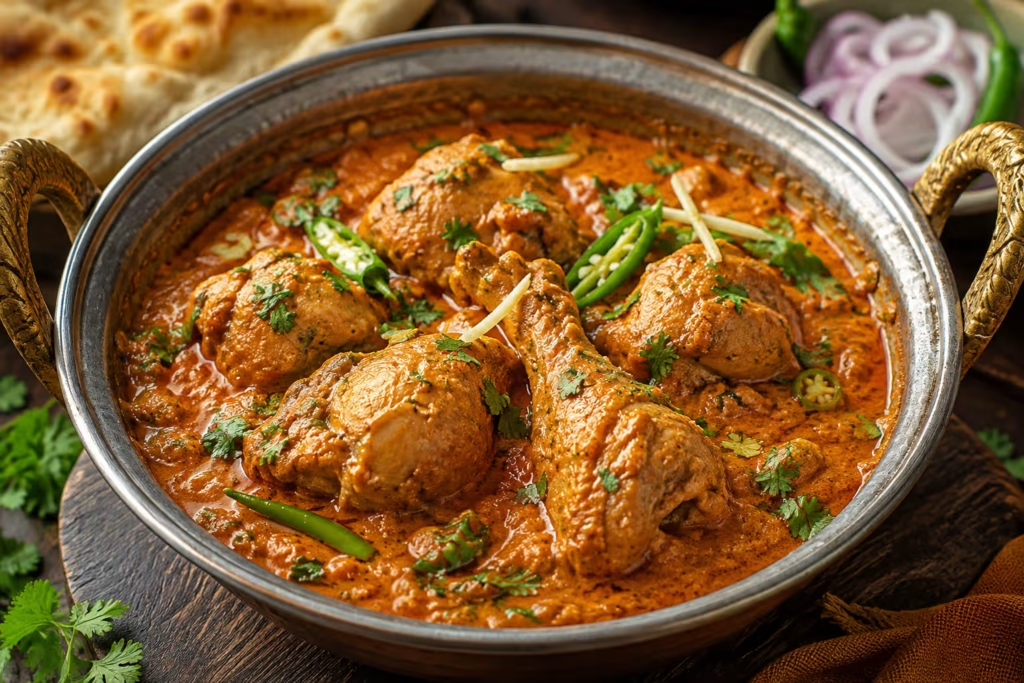
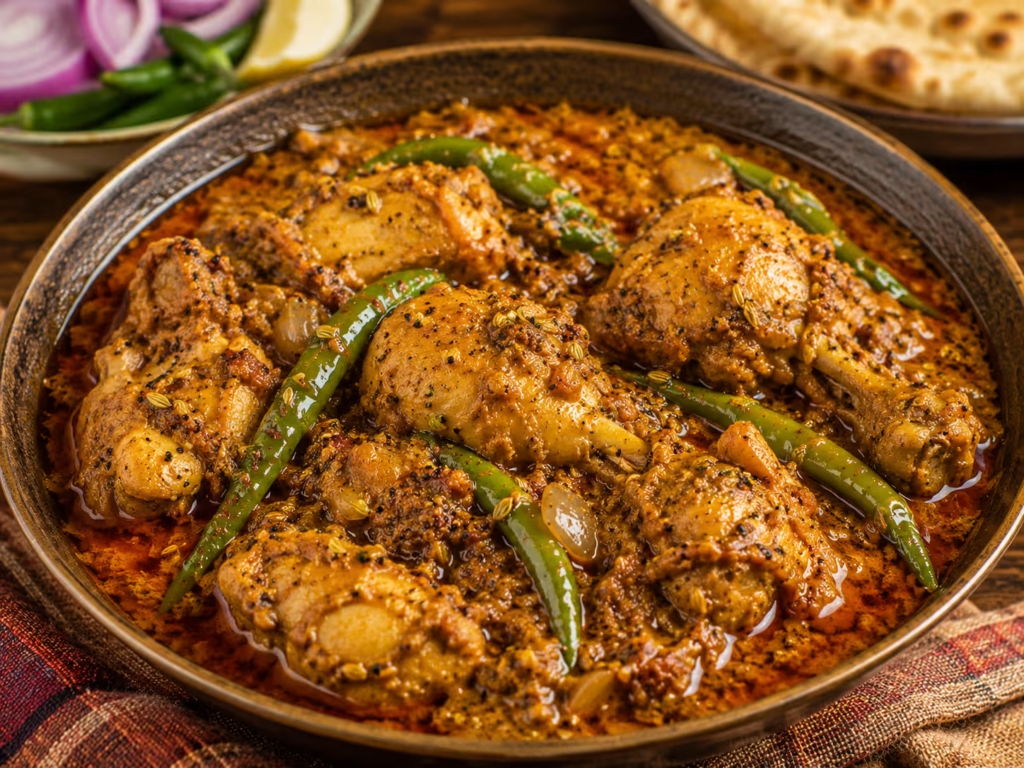
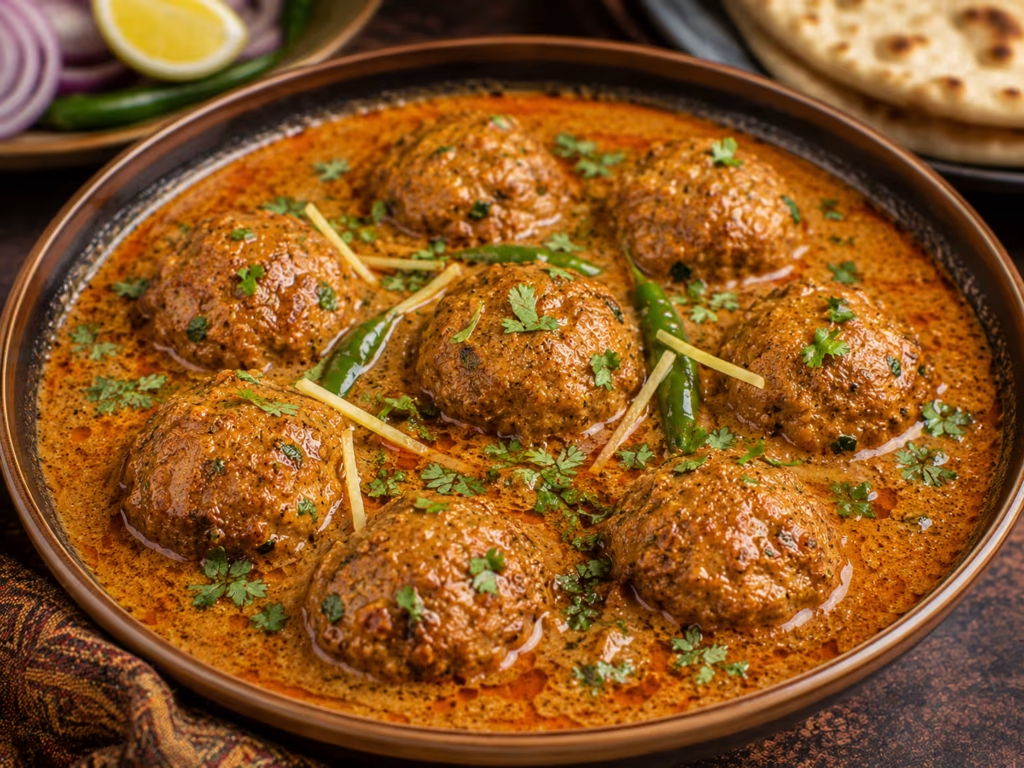
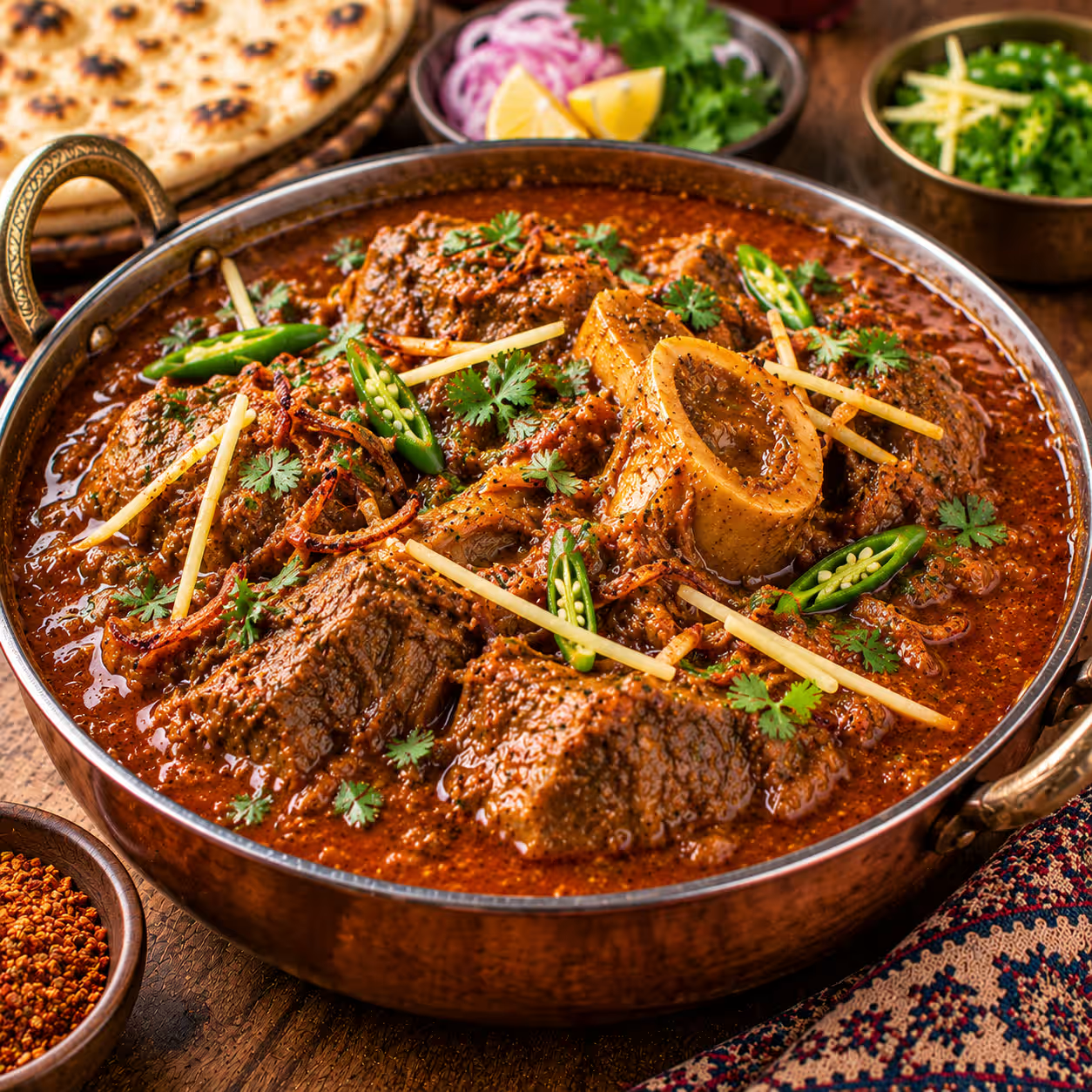
Traditional nihari is usually prepared by slowly cooking beef or another meat with aromatic spices until the meat becomes tender and the cooking liquid develops a thick, concentrated texture. The finished dish is commonly garnished with fresh ginger, green chilies, coriander and a squeeze of lemon, then served with naan or another type of bread.
What makes Pakistani nihari distinctive is not simply its list of spices. The character of the dish comes from the combination of slow cooking, a concentrated spiced gravy, tender meat and carefully balanced garnishes.
This guide explores what Pakistani nihari is, where it fits into Pakistani food culture, how traditional nihari is prepared, how regional and household versions differ, what it is served with, and why it remains one of the country’s best-known comfort foods.
What Is Pakistani Nihari?
Pakistani nihari is a slow-cooked meat stew characterized by a rich, spiced gravy and very tender meat.
The word nihari is commonly associated with the idea of a morning meal, and the dish developed a strong cultural connection with breakfast and early-day dining in the Indian subcontinent. In Pakistan, nihari became particularly established as a restaurant and household favorite.
Unlike many quick Pakistani curries, nihari depends heavily on time and gentle cooking. The meat is cooked until it becomes extremely tender, while spices and aromatics gradually infuse the cooking liquid.
A bowl of well-prepared nihari typically has:
- Tender pieces of beef
- A rich, concentrated gravy
- Warm aromatic spices
- Ginger and garlic
- A noticeable but balanced chili character
- Fresh ginger as a garnish
- Green chilies and coriander
- Lemon for brightness
- Naan or another bread for serving
The result is rich and warming without needing to rely entirely on intense chili heat.
Why Is Nihari Important in Pakistani Food Culture?
Nihari is more than a meat curry. It represents several important characteristics of Pakistani food culture: slow cooking, communal eating, restaurant traditions and the importance of substantial breakfast foods.
Food traditions vary between Pakistani families and regions, but nihari has become widely recognized across the country.
It is commonly associated with:
- Traditional Pakistani breakfasts
- Weekend family meals
- Pakistani restaurants
- Special gatherings
- Eid and holiday meals in some households
- Winter comfort food
- Late-night or early-morning restaurant culture
Its popularity also extends beyond Pakistan. Pakistani restaurants in countries such as the United Kingdom, United States, Canada, Germany and the Gulf states commonly feature nihari alongside other well-known dishes.
For people discovering Pakistani cuisine for the first time, nihari provides an example of how Pakistani cooking can combine meat, spices, slow cooking and fresh garnishes into a single dish.
Why Is Nihari Often Considered a Famous Pakistani Breakfast?
Nihari has a particularly strong connection with breakfast in Pakistani food culture.
A traditional breakfast can be much more substantial in South Asian cuisine than the lighter breakfast foods common in some Western countries. Nihari fits this tradition because it is rich, filling and typically served with bread.
A typical nihari breakfast may include:
- Beef nihari
- Fresh naan
- Ginger
- Green chilies
- Fresh coriander
- Lemon
- Pickles
- Chai
The contrast between the rich gravy and fresh garnishes is an important part of the experience.
Although nihari is strongly associated with breakfast, it should not be understood as a dish that can only be eaten in the morning. Restaurants and households may serve it throughout the day.
Traditional Nihari and Its Slow-Cooking Method
The defining feature of traditional nihari is its slow cooking.
The meat is not simply boiled and mixed with spices. Instead, the cooking process gradually develops the flavor and texture of the dish.
Building the Flavor Base
Traditional preparations begin by developing a flavorful base from ingredients such as:
- Cooking oil or ghee
- Onion
- Garlic
- Ginger
- Nihari spices
- Chili
- Other aromatic spices
The exact combination varies between recipes, families and restaurants.
Adding the Meat
Beef is one of the most familiar choices for Pakistani nihari.
Different cuts can produce different results. Meat containing connective tissue can be particularly suitable for long cooking because the connective tissue gradually softens and contributes body to the gravy.
Slow Cooking
The meat is then cooked gently with liquid and spices.
During this stage:
- The meat gradually becomes tender.
- Spices infuse the cooking liquid.
- Aromatics soften and integrate into the gravy.
- The cooking liquid becomes richer.
- Collagen and connective tissue can contribute to the body of the finished dish.
This gradual transformation is one reason nihari tastes different from a quick meat curry.
What Makes Pakistani Nihari Different From an Ordinary Beef Curry?
Nihari and Pakistani beef curry can contain some similar ingredients, but their cooking styles and final textures are different.
| Feature | Pakistani Nihari | Typical Beef Curry |
|---|---|---|
| Cooking style | Slow cooked | Can be slow or relatively quick |
| Texture | Very tender meat | Depends on recipe |
| Gravy | Rich and concentrated | Can range from thin to thick |
| Spice profile | Warm, aromatic and complex | Varies considerably |
| Breakfast association | Strong | Less characteristic |
| Garnishes | Ginger, chilies, coriander, lemon | Varies |
| Bread pairing | Often naan | Roti, naan or rice |
These are broad distinctions rather than strict rules because Pakistani cooking contains many regional and household variations.
Key Ingredients Used in Traditional Nihari
The ingredients used in nihari vary, but several categories are central to the dish.
Beef
Pakistani beef nihari is one of the best-known versions.
Cuts containing some connective tissue can work particularly well for slow cooking because they can become tender while contributing body to the gravy.
Nihari Masala
Nihari masala is the spice mixture responsible for much of the dish’s characteristic flavor.
Depending on the recipe, it may contain combinations of:
- Coriander
- Fennel
- Cumin
- Black pepper
- Cardamom
- Cinnamon
- Cloves
- Bay leaf
- Ginger
- Chili
- Other aromatic spices
Commercial nihari spice blends are also widely available.
However, spice blends differ considerably between brands and homemade recipes. There is therefore no single universal formula that represents every traditional nihari.
Ginger and Garlic
Ginger and garlic provide an aromatic foundation.
Fresh ginger is especially important because it is used both during cooking and as a finishing garnish.
Onion
Onion can contribute sweetness, depth and body to the gravy.
The amount and preparation vary between recipes.
Oil or Ghee
Fat helps carry the flavors of the spices and contributes to the richness associated with nihari.
The quantity can be adjusted according to personal preference and the characteristics of the meat.
Flour or Thickening Agent
Some nihari preparations use flour or another thickening method to give the gravy its characteristic body.
The goal is not simply to make the sauce heavy. The finished gravy should coat the meat and bread without becoming unnecessarily pasty.
Fresh Garnishes
Common garnishes include:
- Fresh ginger
- Green chilies
- Fresh coriander
- Lemon
- Fried onions in some versions
These ingredients provide freshness and acidity that balance the richness of the stew.
What Does Pakistani Nihari Taste Like?
Pakistani nihari has a rich, warming and deeply savory flavor.
The exact taste depends on the recipe, but traditional versions often combine:
- Deep meaty flavor
- Warm spices
- Aromatic ginger and garlic
- Moderate to pronounced chili heat
- Rich gravy
- Fresh acidity from lemon
- Sharpness from green chilies
- Freshness from coriander and ginger
One of the most important characteristics is balance.
A good nihari should not taste like nothing more than a mixture of hot spices. The spices should support the meat and rich gravy rather than completely overpower them.
The Importance of Nihari Garnishes
Garnishes are not merely decorative.
Fresh ginger, green chilies, coriander and lemon provide contrasting flavors and textures.
Fresh Ginger
Thin strips of ginger add a sharp, fresh aroma and slight heat.
Green Chilies
Green chilies can add freshness and additional heat.
They can be served whole, sliced or chopped depending on preference.
Coriander
Fresh coriander contributes a bright herbal note that helps balance the richness of the gravy.
Lemon
Lemon juice adds acidity.
A small amount can make a rich stew taste lighter and more balanced.
This combination of rich gravy with fresh garnishes is an important part of the traditional serving experience.
Beef Nihari in Pakistani Cuisine
Pakistani beef nihari is particularly well known.
Beef works well with the slow-cooking technique because suitable cuts can develop a soft, tender texture when cooked gently for an extended period.
The meat should be cooked until it is tender enough to break apart easily but should still retain enough structure to remain recognizable as pieces of meat.
The gravy is equally important. A bowl containing tender meat but a thin, underdeveloped sauce will not provide the same experience as a properly concentrated nihari.
Regional and Household Variations of Nihari
There is no single recipe that represents every bowl of Pakistani nihari.
Different restaurants, families and regions may adjust:
- Meat cuts
- Spice combinations
- Chili level
- Oil or ghee
- Gravy thickness
- Garnishes
- Cooking time
- Use of flour or other thickening methods
Karachi-Style Nihari
Karachi has a particularly strong restaurant culture surrounding nihari.
Restaurant versions may have a pronounced spice profile and rich gravy, while individual establishments often maintain their own spice blends and cooking methods.
Lahore and Punjab
Nihari is also popular in Punjab, where it can be served as a substantial breakfast or family meal.
Household preparations may differ considerably from restaurant versions.
Home-Style Nihari
Home cooks often adapt the dish according to available ingredients, preferred spice levels and cooking equipment.
A pressure cooker or modern electric pressure cooker can significantly reduce cooking time compared with traditional slow cooking.
However, the flavor and texture can still be developed through careful browning, seasoning and controlled cooking.
Nihari and Pakistani Restaurant Culture
Nihari has a strong place in Pakistani restaurant culture.
Many Pakistani restaurants serve it alongside dishes such as:
- Haleem
- Paya
- Chana
- Halwa puri
- Paratha
- Chicken karahi
- Biryani
- Seekh kebab
- Tandoori dishes
Restaurants may prepare nihari in large quantities because the dish benefits from slow cooking and can be served to many customers.
The dish therefore works particularly well within a restaurant environment where long-cooked foods are prepared ahead of service.
Nihari as a Weekend Breakfast
Nihari is particularly suitable for leisurely weekend meals.
A weekday breakfast may need to be quick, while a weekend meal provides more opportunity for family members to sit together and enjoy a substantial dish.
A Pakistani-style breakfast table may combine nihari with:
- Naan
- Fresh ginger
- Lemon
- Green chilies
- Pickles
- Chai
The combination is rich and filling, so portion size can be adjusted according to personal preference.
What Is Nihari Served With?
Naan is one of the most common accompaniments.
The bread is particularly useful because it can be used to scoop up the thick gravy and tender meat.
Other possible accompaniments include:
Naan
Soft naan provides a classic pairing and works especially well with thick gravy.
Roghni Naan
Roghni naan adds additional richness and is suitable for a more indulgent meal.
Roti
Roti provides a lighter alternative to naan.
Lemon
Fresh lemon cuts through the richness of the stew.
Fresh Ginger
Thinly sliced ginger adds freshness and aromatic sharpness.
Green Chilies
Green chilies can be served separately so diners can control their heat level.
Fresh Coriander
Coriander adds a fresh herbal contrast.
Nihari vs Paya
Nihari and paya are both slow-cooked Pakistani dishes and are sometimes served in similar restaurant settings, but they are different dishes.
Nihari is primarily associated with a spiced meat stew, commonly beef in Pakistani versions.
Paya is based on trotters or feet and is valued for its gelatinous, rich texture.
Both rely on long cooking, but their ingredients, textures and culinary identities are different.
Nihari vs Haleem
Haleem is another famous Pakistani dish that can appear at breakfast or other substantial meals.
The primary difference is texture and composition.
Haleem combines meat with grains, lentils and spices to create a thick, cohesive mixture.
Nihari, by contrast, centers on tender meat and a rich spiced gravy.
Both are slow-cooked foods, but they provide very different eating experiences.
Nihari vs Paya: Why the Confusion Happens
The confusion often comes from their similar restaurant presentation.
Both dishes can:
- Be served hot
- Require long cooking
- Have rich gravies
- Be eaten with naan
- Include fresh ginger and coriander
- Appear on traditional breakfast menus
However, the underlying ingredients and preparation methods distinguish them.
Understanding these differences helps readers explore Pakistani cuisine without treating every slow-cooked meat dish as the same type of curry.
How Traditional Nihari Develops Its Rich Texture
The texture of nihari develops through several processes during cooking.
Slow Softening of Meat
Long, gentle cooking allows tougher cuts to become tender.
Concentration of Cooking Liquid
As the cooking process continues, flavors become more concentrated.
Collagen and Connective Tissue
Cuts containing connective tissue can release gelatin during extended cooking, contributing body to the gravy.
Thickening
Some recipes use flour or another thickening technique to achieve the desired consistency.
The final result should be rich and cohesive rather than watery.
Common Mistakes When Preparing Nihari
Even a traditional dish can be affected by basic cooking mistakes.
Using Excessive Water
Too much liquid can produce a thin gravy and dilute the spices.
Better approach: add liquid carefully and allow the gravy to develop gradually.
Cooking at Excessively High Heat
Very high heat can cause the bottom of the pot to scorch before the meat becomes tender.
Better approach: use controlled, gentle cooking.
Adding Too Much Spice
Increasing every spice does not necessarily make nihari more flavorful.
Better approach: build a balanced spice profile and adjust gradually.
Making the Gravy Too Thick
A thick nihari is desirable, but an overly pasty consistency can make it heavy.
Better approach: aim for a rich gravy that still flows naturally around the meat.
Ignoring the Garnishes
Serving nihari without fresh ginger, coriander, chilies or lemon can make the dish feel heavier.
Better approach: use fresh garnishes to introduce contrast.
Choosing the Wrong Meat Cut
Extremely lean meat may become dry during extended cooking.
Better approach: choose a cut appropriate for slow cooking and trim excess fat according to preference.
How to Make Nihari Less Spicy
Nihari can be spicy, but the heat level does not have to be extreme.
To make a milder version:
- Reduce red chili
- Use a balanced nihari spice blend
- Serve green chilies separately
- Increase the proportion of meat and gravy relative to chili
- Use lemon and fresh coriander to provide flavor contrast
It is better to control the chili level than to remove the aromatic spices that give nihari its characteristic identity.
Can Nihari Be Made With Other Meat?
Yes.
Although Pakistani beef nihari is especially well known, variations can be prepared using other meats.
Common alternatives include:
- Mutton
- Lamb
- Chicken
Cooking times need to be adjusted according to the meat.
Beef and mutton cuts suitable for slow cooking generally require substantially more time than chicken.
The substitution therefore should not simply involve replacing one meat with another while keeping the cooking time unchanged.
Can Nihari Be Made in a Pressure Cooker?
Yes.
A pressure cooker can significantly reduce the cooking time required to tenderize meat.
This makes it practical for modern home kitchens.
However, pressure cooking changes the process, so the final gravy may require additional uncovered cooking after pressure release to reach the desired concentration.
A useful approach is:
- Build the spice and onion base.
- Brown or cook the meat appropriately.
- Add liquid.
- Pressure cook until tender.
- Release pressure safely.
- Check the gravy.
- Simmer uncovered if additional reduction is needed.
- Adjust seasoning.
- Add fresh garnishes before serving.
Can Nihari Be Made Ahead?
Nihari is well suited to make-ahead cooking.
Preparing it in advance can make the dish particularly convenient for gatherings or weekend meals.
After cooking, the dish should be cooled and stored safely in the refrigerator rather than being left at room temperature for extended periods.
When reheating, heat it thoroughly and adjust the consistency with a small amount of water if necessary.
The gravy may become thicker after refrigeration, so reheating can change its texture.
How to Store Nihari
If you have leftover nihari, transfer it to a suitable airtight container and refrigerate it promptly.
For longer storage, it can also be frozen in appropriate portions.
When reheating:
- Reheat until thoroughly hot
- Stir carefully
- Add a small amount of water if the gravy has become too thick
- Check seasoning after reheating
- Add fresh ginger, coriander and lemon when serving
Fresh garnishes are best added after reheating rather than stored together with the main dish.
Is Nihari a Healthy Food?
Nihari is a rich traditional dish, so its nutritional profile depends on the meat cut, amount of oil or ghee, serving size and preparation method.
It can provide protein from the meat, but traditional versions may also be relatively high in fat and calories.
For a lighter home preparation, cooks can:
- Choose a leaner cut
- Reduce excess oil or ghee
- Control portion size
- Serve with a reasonable amount of naan
- Include fresh vegetables or salad alongside the meal
These changes can make the overall meal lighter without removing the essential character of the dish.
How Nihari Fits Into a Balanced Meal
Because nihari is rich, balance can come from the foods served alongside it.
A meal can include:
- A moderate serving of nihari
- One portion of naan or roti
- Fresh salad
- Lemon
- Fresh coriander
- Water or unsweetened tea
The goal is not to change traditional nihari into a different dish, but to consider the entire meal rather than one ingredient in isolation.
Why Slow Cooking Matters in Pakistani Cuisine
Nihari is an excellent example of the broader importance of slow cooking in South Asian food culture.
Slow cooking allows ingredients to transform gradually.
Meat becomes tender, spices integrate into the sauce and the cooking liquid develops greater depth.
Other Pakistani dishes also demonstrate this principle, including:
- Paya
- Haleem
- Nihari
- Some mutton curries
- Certain traditional stews
These foods demonstrate how time itself can be an important cooking ingredient.
Nihari and Pakistani Food Identity
Pakistani cuisine includes a wide variety of regional dishes, from rice-based foods to grilled meats, lentils, vegetables and breads.
Nihari occupies a distinctive place because it combines several characteristics associated with traditional Pakistani cooking:
- Bold aromatic spices
- Slow cooking
- Meat-centered meals
- Bread-based serving
- Fresh garnishes
- Family and restaurant traditions
Its continued popularity demonstrates how traditional foods can remain relevant while adapting to modern kitchens.
Nihari Beyond Pakistan
Pakistani communities around the world have helped introduce nihari to international audiences.
Today, people can encounter nihari in Pakistani and South Asian restaurants in many countries.
The dish is particularly suitable for restaurant menus because its preparation can be organized around slow cooking and batch production.
Outside Pakistan, diners may encounter:
- Beef nihari
- Mutton nihari
- Chicken nihari
- Mild versions
- Spicier restaurant versions
- Family-style preparations
Despite these variations, the central concept remains a slow-cooked, richly spiced meat dish.
How to Recognize Good Nihari
When evaluating a bowl of nihari, look beyond its color alone.
A well-prepared version should generally have:
- Tender meat
- A rich but not excessively pasty gravy
- Integrated spices
- Pleasant aroma
- Balanced salt and chili
- Fresh garnish
- Enough acidity to balance the richness
The gravy should complement the meat rather than completely overwhelm it.
Fresh ginger and lemon should add contrast instead of being used merely for decoration.
Frequently Asked Questions About Pakistani Nihari
What is Pakistani nihari?
Pakistani nihari is a slow-cooked meat stew made with meat, aromatic spices and a rich gravy. Beef is one of the most common choices in Pakistani versions, and the dish is traditionally associated with substantial breakfasts.
Is nihari a Pakistani dish?
Nihari is strongly established in Pakistani cuisine and food culture. It also has a broader culinary history in the Indian subcontinent, so it is useful to understand it as part of the wider South Asian food tradition while recognizing its important place in Pakistan.
Is Pakistani nihari usually made with beef?
Beef is one of the most common meats used for Pakistani nihari, but versions made with mutton, lamb or chicken also exist.
Why is nihari eaten for breakfast?
Nihari became strongly associated with morning meals because of its traditional slow-cooked preparation and its substantial, warming character. In Pakistan, it is particularly popular as a hearty breakfast, although it can be eaten at other times of the day.
What bread is served with nihari?
Naan is one of the most common breads served with nihari. Roti and other breads can also be used depending on personal and regional preferences.
Is nihari very spicy?
Nihari can be spicy, but the heat level varies between recipes and restaurants. A homemade version can be adjusted by reducing chili while retaining the aromatic spices.
What are the main garnishes for nihari?
Common garnishes include fresh ginger, green chilies, fresh coriander and lemon. Some versions also use fried onions.
Does nihari need to be cooked overnight?
No. Long, slow cooking is traditional, but modern cooking methods can shorten the process. Pressure cookers and other equipment can reduce cooking time while still producing tender meat.
Can I make nihari without beef?
Yes. Mutton, lamb and chicken can be used for different variations. The cooking time should be adjusted according to the meat.
What is the difference between nihari and haleem?
Nihari is primarily a slow-cooked meat stew with a rich spiced gravy. Haleem combines meat with grains and lentils to create a much thicker, cohesive mixture.
What is the difference between nihari and paya?
Nihari focuses on slow-cooked meat in a rich spiced gravy, while paya is traditionally made with trotters or feet and is known for its gelatinous texture.
Can nihari be frozen?
Yes. Properly cooled nihari can be stored in an airtight freezer-safe container. Reheat it thoroughly and add fresh garnishes after reheating.
Practical Tips for Making Better Nihari at Home
For readers who want to explore nihari in their own kitchen, these principles are more useful than simply adding more spices.
1. Give the Meat Enough Time
Tenderness is one of the defining characteristics of the dish.
2. Control the Liquid
Too much liquid can produce a weak gravy.
3. Develop the Spice Base
Spices should be cooked appropriately so their flavors integrate into the dish.
4. Avoid Excessive Heat
Slow, controlled cooking helps prevent scorching and promotes tenderness.
5. Balance Richness With Freshness
Ginger, coriander, green chili and lemon provide important contrast.
6. Taste Before Serving
Check salt, spice intensity, gravy consistency and acidity before adding the final garnishes.
7. Treat the Garnishes as Part of the Dish
Fresh toppings can significantly change the final eating experience.
Pakistani Nihari as Part of a Larger Pakistani Food Journey
Nihari is only one part of Pakistan’s diverse culinary landscape.
Readers interested in Pakistani cuisine can explore other traditional dishes and cooking traditions, including:
- Pakistani biryani
- Chicken karahi
- Haleem
- Paya
- Pakistani pulao
- Seekh kebab
- Chicken tikka
- Pakistani lentil dishes
- Pakistani vegetable curries
- Traditional naan and other breads
For a broader introduction to the cuisine, explore the Pakistani Cuisine section of Zaiqahaus.
The Traditional Pakistani Dishes section can then take readers deeper into individual dishes, their cultural context and their cooking traditions.
Related Pakistani Recipes and Guides
To build a useful internal content journey, readers interested in Pakistani nihari can also explore related topics on the site:
- Pakistani Cuisine
- Traditional Pakistani Dishes
- Pakistani Biryani
- Pakistani Chicken Karahi
- Pakistani Pulao
- Lentil and Daal Recipes
- Pakistani Cooking Tips
- Pakistani Spices and Masalas
Individual recipe pages should provide the exact ingredient quantities and step-by-step instructions, while this page focuses on the broader culinary identity and food culture surrounding nihari.
Final Thoughts on Pakistani Nihari
Pakistani nihari is a powerful example of how slow cooking can transform simple ingredients into a deeply flavorful traditional dish.
Its identity comes from more than beef and spices. The combination of tender meat, concentrated gravy, aromatic seasoning and fresh garnishes creates a distinctive eating experience that has become deeply connected with Pakistani food culture.
Its association with breakfast, family meals and Pakistani restaurants has helped nihari remain one of the country’s most recognizable traditional foods.
Whether enjoyed with fresh naan at a Pakistani restaurant or prepared slowly at home, nihari demonstrates the importance of patience, balance and layered flavor in Pakistani cooking.
For anyone exploring Pakistani cuisine, understanding nihari provides a useful introduction to the country’s traditions of slow cooking, spice blending, hospitality and substantial shared meals.