Pakistani Chicken Biryani Recipe
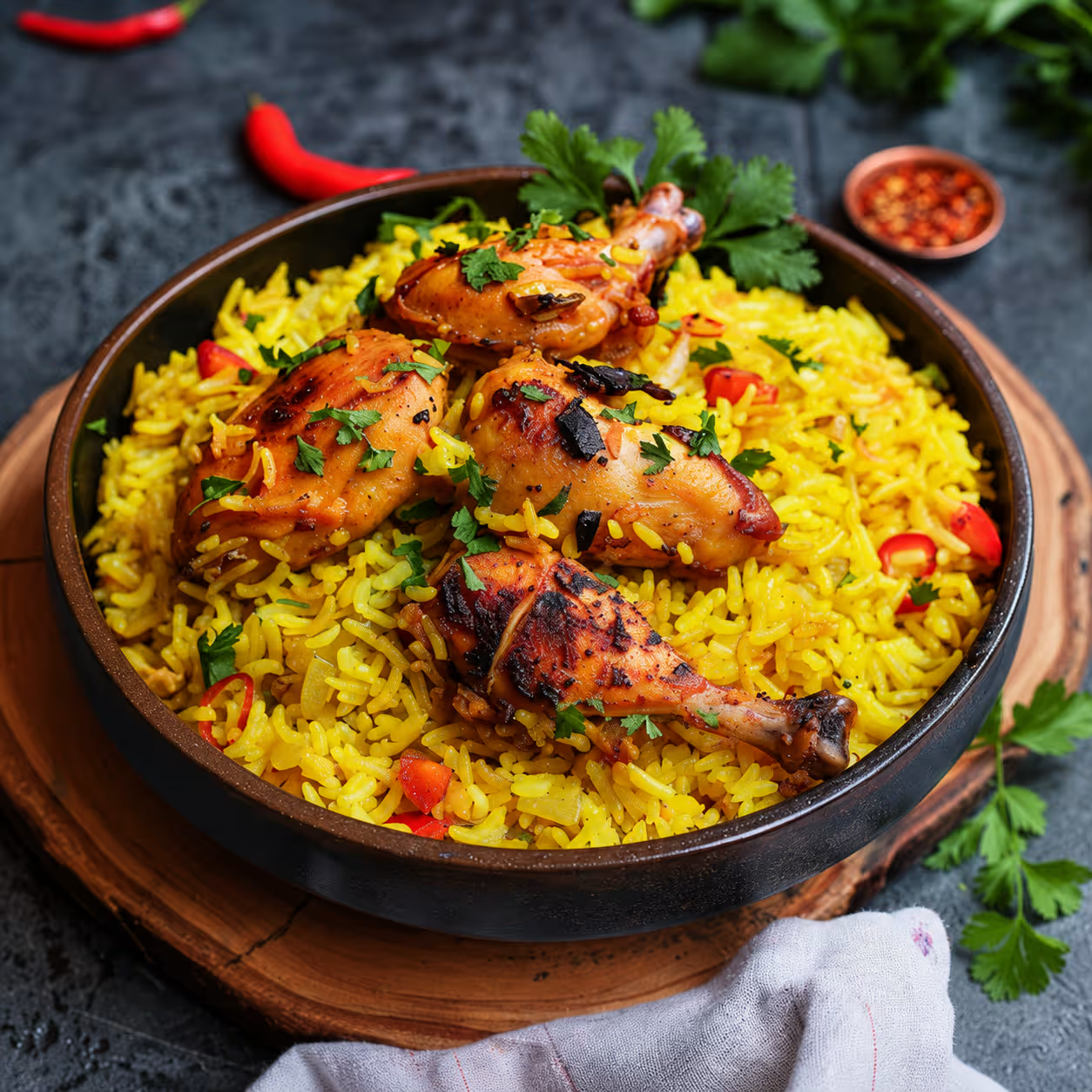
A flavorful Pakistani chicken biryani recipe combines fragrant basmati rice, tender chicken, yogurt, aromatic spices, fried onions and a richly seasoned masala. Unlike pulao, where rice is generally cooked directly in a meat or vegetable stock, biryani is traditionally prepared through separate stages and finished by layering rice with the chicken masala.
The final cooking stage, commonly called dum, allows steam to move through the layers while the rice absorbs the aromas of the chicken, spices, herbs and saffron or other finishing ingredients.
This guide explains how to make authentic Pakistani chicken biryani at home, including how to prepare the chicken masala, cook the rice correctly, layer the ingredients, avoid mushy rice and adjust the spice level.
What Is Pakistani Chicken Biryani?
Pakistani chicken biryani is a layered rice dish made with chicken, basmati rice, spices, yogurt, onions and aromatic ingredients.
The exact recipe varies between Pakistani households and regions. Some versions are very spicy, while others use a milder spice profile. Some cooks add potatoes, while others prefer chicken and rice only.
Despite these differences, several techniques are central to traditional biryani:
- Preparing a flavorful chicken masala
- Cooking basmati rice separately until partially cooked
- Layering rice and chicken
- Adding aromatic finishing ingredients
- Steaming the completed dish over low heat
The result should have distinct, fluffy rice grains with flavorful chicken and masala distributed throughout the dish.
What Makes Pakistani Chicken Biryani Different?
Pakistani biryani is known for its bold combination of spices, aromatic rice and savory chicken masala.
Compared with some milder South Asian rice dishes, Pakistani biryani often has:
- More pronounced spice
- Layered rice and meat
- Fried onions
- Green chilies
- Fresh coriander and mint
- Yogurt-based chicken masala
- Whole spices
- A final steaming stage
However, there is no single recipe that represents every Pakistani household.
Biryani traditions differ by region, family and personal preference.
Chicken Biryani vs. Chicken Pulao
Chicken biryani and chicken pulao are both popular Pakistani rice dishes, but the cooking methods are different.
| Feature | Chicken Biryani | Chicken Pulao |
|---|---|---|
| Rice preparation | Usually partially cooked separately | Generally cooks in seasoned stock |
| Meat preparation | Cooked in a concentrated masala | Often cooked with the stock |
| Layering | Yes, traditionally | Usually no |
| Flavor | Strong, layered and aromatic | Balanced and broth-based |
| Final steaming | Common | May be used |
| Spice profile | Usually stronger | Generally milder |
Understanding this difference is useful because the rice-cooking technique for biryani is different from pulao.
Why You’ll Love This Pakistani Chicken Biryani Recipe
This recipe is designed to explain the technique, not just provide a list of ingredients.
You will learn how to:
- Prepare flavorful chicken masala.
- Cook basmati rice without making it mushy.
- Determine when rice is partially cooked.
- Build balanced layers.
- Use fried onions for sweetness and aroma.
- Control the spice level.
- Finish the biryani using gentle dum cooking.
- Store and reheat leftovers properly.
Once these principles are understood, you can adapt the recipe to your own preferred level of spice.
Ingredients for Pakistani Chicken Biryani
Chicken
Use approximately 750 g chicken, preferably bone-in pieces.
Bone-in chicken can provide more flavor and generally works well in a biryani masala.
Suitable pieces include:
- Thighs
- Drumsticks
- Leg pieces
- Mixed curry-cut chicken
If using boneless chicken, reduce the cooking time to prevent it from becoming dry.
Basmati Rice
Use 2½ cups long-grain basmati rice.
Good-quality basmati is important because the rice should remain long and relatively separate after the final steaming stage.
Yogurt
Use approximately 1 cup plain yogurt.
Yogurt contributes acidity, creaminess and balance to the chicken masala.
Use plain unsweetened yogurt.
Onions
Use 2–3 medium onions, thinly sliced.
Part of the onions will be used for the chicken masala, while some can be fried until golden and used as a biryani topping.
Tomatoes
Use approximately 2 medium tomatoes, chopped.
Tomatoes add acidity, moisture and body to the chicken masala.
Ginger and Garlic
Use:
- 1½ tablespoons fresh ginger
- 1½ tablespoons fresh garlic
Fresh aromatics are important for developing the masala.
Green Chilies
Use 2–4 green chilies, depending on your preferred spice level.
For a milder biryani, use fewer chilies.
Fresh Herbs
Use:
- Fresh coriander
- Fresh mint
These herbs provide freshness and a characteristic biryani aroma.
Whole Spices
A balanced selection can include:
- 1 bay leaf
- 1 small cinnamon stick
- 4 green cardamom pods
- 1–2 black cardamom pods
- 4–5 cloves
- 1 teaspoon cumin seeds
- 6–8 black peppercorns
- 1–2 star anise, optional
Ground Spices
Use:
- 1 teaspoon turmeric powder
- 1½–2 teaspoons red chili powder
- 1½ teaspoons coriander powder
- 1 teaspoon cumin powder
- ½ teaspoon garam masala
- Salt to taste
Adjust the chili according to your preferred heat level.
Cooking Fat
Use approximately ½ cup cooking oil or a combination of oil and ghee, including oil needed for frying onions.
The amount can be reduced according to preference, but sufficient fat helps carry the spice aromas.
Saffron
A small pinch of saffron can be soaked in warm milk or warm water and drizzled over the final layers.
This is optional but provides a distinctive aroma and color.
Lemon
Use fresh lemon juice to brighten the chicken masala.
How to Make Pakistani Chicken Biryani Step by Step
Step 1: Rinse the Basmati Rice
Place the rice in a bowl and rinse it several times under cool water.
Continue until the water becomes considerably clearer.
This helps remove excess surface starch.
Step 2: Soak the Rice
Soak the basmati rice for approximately 20–30 minutes if your rice variety benefits from soaking.
Drain it thoroughly before cooking.
Soaking is useful for many basmati varieties, but it is not mandatory for every type of rice.
Step 3: Prepare the Fried Onions
Heat oil in a suitable pan.
Add thinly sliced onions and fry until they become golden brown.
Remove them carefully and place them on a plate lined with paper towel or another suitable draining surface.
Allow them to cool.
They will become crispier as they cool.
Do not burn the onions. Very dark onions can make the biryani bitter.
Step 4: Prepare the Chicken Marinade
In a large bowl, combine:
- Chicken
- Yogurt
- Ginger
- Garlic
- Turmeric
- Red chili powder
- Coriander powder
- Cumin powder
- Salt
- Green chilies
- Some fresh coriander
- Some fresh mint
- Lemon juice
Mix thoroughly so the chicken is coated.
Allow the chicken to marinate for at least 30 minutes if time permits.
A longer marination can be used when appropriate and kept refrigerated.
Step 5: Prepare the Chicken Masala
Heat oil or ghee in a heavy-bottomed pot.
Add the whole spices and cook briefly until fragrant.
Add sliced onions and cook until softened and lightly golden.
Add the marinated chicken.
Cook over medium heat while stirring occasionally.
Step 6: Add the Tomatoes
Add the chopped tomatoes.
Cook until they soften and become integrated into the masala.
The mixture should become thick and flavorful rather than watery.
Step 7: Cook the Chicken
Cover the pot and cook until the chicken is nearly tender.
The exact cooking time depends on the size and cut of the chicken.
The chicken should be cooked through before the final biryani assembly, but avoid cooking it until it falls apart.
Step 8: Taste the Chicken Masala
Taste the masala before preparing the rice layers.
It should be:
- Properly salted
- Aromatic
- Savory
- Slightly spicy according to your preference
- Rich enough to flavor the rice
Remember that the rice will dilute the intensity of the masala.
Step 9: Prepare the Rice Water
Bring a large pot of water to a rolling boil.
Add sufficient salt.
The water should taste noticeably seasoned because the rice will later be drained.
Add whole spices such as:
- Bay leaf
- Cinnamon
- Cardamom
- Cloves
- Cumin
Step 10: Cook the Basmati Rice
Add the drained rice to the boiling water.
Cook until the grains are partially cooked.
This is one of the most important stages.
The rice should be softening on the outside while retaining firmness in the center.
Do not cook it until completely tender because it will cook further during dum.
Step 11: Drain the Rice
Immediately drain the partially cooked rice.
Avoid leaving it sitting in the hot water because it will continue cooking.
Step 12: Start Layering
Keep the cooked chicken masala in the bottom of a heavy-bottomed pot.
Add a layer of partially cooked rice over the chicken.
Spread it gently without pressing it down.
Step 13: Add Aromatic Layers
Add:
- Fried onions
- Fresh coriander
- Fresh mint
- Green chilies
- Optional saffron-infused milk
- A small drizzle of ghee if desired
Step 14: Add the Remaining Rice
Add the remaining rice as the final layer.
Spread it gently and evenly.
Top with the remaining fried onions and herbs.
Step 15: Seal the Pot
Cover the pot tightly with a lid.
If your lid does not seal well, you can use a clean kitchen towel under the lid, ensuring it is kept safely away from the flame and does not hang near the burner.
Step 16: Cook on Dum
Place the pot over low heat.
Allow the biryani to steam gently until the rice is fully tender and the flavors have combined.
Avoid high heat because the chicken masala at the bottom can scorch.
Step 17: Rest the Biryani
Turn off the heat and leave the biryani covered for approximately 10 minutes.
This allows the steam and moisture to redistribute.
Step 18: Fluff and Serve
Use a wide spoon to gently lift the rice from the sides and bottom.
Avoid aggressively stirring the entire pot because that can break the rice grains and turn the layers into a uniform mixture.
Serve hot.
How to Get Perfect Basmati Rice for Biryani
The rice is one of the most important parts of a good biryani.
Rinse Thoroughly
Remove excess surface starch.
Don’t Overcook the Rice
Remember that the rice will cook again during dum.
Use Plenty of Boiling Water
Cooking rice in plenty of seasoned water makes it easier to drain at the correct stage.
Test a Grain
Instead of relying only on a timer, taste a grain.
It should be partially cooked with a firm center.
Drain Immediately
Once the rice reaches the correct stage, drain it promptly.
How Do You Know When Biryani Rice Is Partially Cooked?
Take a grain of rice and press or bite it.
The outside should be soft enough to chew, but the center should still have some firmness.
If the rice is completely soft before layering, it may become mushy during dum.
If it is extremely hard, it may remain undercooked after steaming.
The exact cooking time varies by rice variety, soaking time and water temperature.
How to Make Authentic Pakistani Chicken Biryani
There is no single recipe that every Pakistani household follows.
However, several characteristics help create a traditional style:
- Fragrant basmati rice
- Properly seasoned chicken masala
- Yogurt
- Whole spices
- Fried onions
- Fresh mint and coriander
- Green chilies
- Layering
- Gentle dum cooking
The goal is not simply to make the biryani extremely spicy.
A good authentic Pakistani chicken biryani should have depth, aroma and balance.
Chicken Biryani Pakistani Style: Flavor Tips
Don’t Skip the Fried Onions
Fried onions provide sweetness, texture and aroma.
Use Fresh Herbs
Fresh mint and coriander provide a characteristic freshness.
Properly Season the Rice Water
Bland rice can weaken the entire dish.
Don’t Make the Masala Too Watery
Excess liquid can make the lower rice layer soggy.
Let the Chicken Masala Develop
The masala should be concentrated enough to flavor the rice.
How Spicy Should Pakistani Chicken Biryani Be?
A spicy chicken biryani can contain several sources of heat:
- Red chili powder
- Green chilies
- Black pepper
- Spiced chicken masala
However, spice level is a matter of preference.
For a mild family version, reduce the green chilies and red chili powder.
For a hotter version, increase them gradually rather than adding a large amount at once.
How to Make Chicken Biryani Less Spicy
If you prefer mild biryani:
- Reduce red chili powder.
- Use fewer green chilies.
- Use plain yogurt in the marinade.
- Increase the amount of rice relative to masala.
- Serve with cooling raita.
Do not remove all the spices because whole spices are important for aroma even in a mild biryani.
How to Make Chicken Biryani More Flavorful
Flavor comes from several layers rather than one ingredient.
Focus on:
- Properly marinated chicken
- Fresh ginger and garlic
- Well-developed onion and tomato masala
- Properly seasoned rice water
- Fresh herbs
- Fried onions
- Whole spices
- Gentle dum cooking
A large amount of chili cannot compensate for a weak masala.
Why Is My Chicken Biryani Mushy?
Mushy biryani usually results from excess moisture or overcooked rice.
Common causes include:
- Cooking the rice completely before layering
- Too much liquid in the chicken masala
- Over-soaking the rice
- Excessive dum cooking
- Stirring the biryani too much
- Using too much yogurt or tomato liquid
The solution is to partially cook the rice and keep the chicken masala relatively concentrated.
Why Is My Chicken Biryani Rice Hard?
Hard rice can result from:
- Draining the rice too early
- Insufficient dum cooking
- Excessive heat causing moisture to evaporate
- Rice not being adequately hydrated
- A poorly sealed cooking pot
If the rice is slightly undercooked, additional gentle steaming can often help.
Why Is My Biryani Dry?
Dry biryani can occur when the chicken masala contains too little moisture or the rice is overcooked without sufficient steam.
The chicken masala should be thick but not completely dry before layering.
During dum, the trapped steam helps finish the rice.
Why Does Biryani Burn at the Bottom?
The bottom layer can burn when:
- The heat is too high.
- The pot is thin.
- The masala is too dry.
- Dum cooking continues for too long.
- The pot is placed directly over a strong flame.
Use low heat and a heavy-bottomed pot.
A heat diffuser can also help distribute heat more gently.
Traditional Dum Cooking for Chicken Biryani
Dum is the final steaming stage.
Once the rice and chicken have been layered, the pot is covered tightly so steam remains inside.
The steam:
- Finishes cooking the rice
- Warms the chicken evenly
- Allows aromas to circulate
- Helps combine the layers
The key is gentle heat.
High heat can burn the masala before the rice finishes cooking.
Can You Make Chicken Biryani Without Saffron?
Yes.
Saffron adds aroma and color but is not essential for making a flavorful biryani.
You can prepare excellent biryani using fresh herbs, fried onions and properly balanced spices without saffron.
If you use saffron, use a small amount rather than allowing it to dominate the dish.
Can You Make Chicken Biryani Without Yogurt?
Yes, although yogurt contributes acidity and richness to the chicken masala.
If you omit it, you may need to adjust the liquid and acidity using ingredients such as tomato or lemon according to your preferred recipe.
The texture and flavor will be somewhat different.
Can You Add Potatoes to Chicken Biryani?
Yes.
Potatoes are used in some Pakistani and South Asian biryani variations.
Cut the potatoes into pieces large enough to remain intact during cooking.
You may need to partially cook them before layering depending on their size.
Can You Use Boneless Chicken?
Yes.
Boneless chicken can make the dish easier to eat, but it can become dry if overcooked.
Chicken thighs are generally more forgiving than very lean breast meat.
Adjust the cooking time according to the size of the pieces.
Can You Use Chicken Breast?
Yes, but monitor it carefully.
Chicken breast contains less fat than many thigh cuts and can become dry with prolonged cooking.
Use appropriately sized pieces and avoid unnecessarily long cooking.
Stovetop Chicken Biryani
The stovetop method is the traditional practical approach for many home kitchens.
Use:
- A heavy-bottomed pot
- Controlled heat
- Properly cooked rice
- A tightly covered lid
During dum, use very low heat.
Oven-Baked Chicken Biryani
Chicken biryani can also be finished in an oven.
After layering the rice and chicken:
- Cover the baking dish tightly.
- Place it in a preheated oven.
- Cook until the rice finishes steaming.
- Allow it to rest before opening.
Exact oven temperature and time depend on the dish, quantity and oven.
Pressure Cooker Chicken Biryani
A pressure cooker is generally not necessary for chicken biryani because chicken cooks relatively quickly compared with beef or mutton.
If using pressure equipment, be very careful with the rice because pressure can cause it to overcook rapidly.
Chicken Biryani Variations
Spicy Pakistani Chicken Biryani
Increase green chilies and red chili powder according to preference.
Mild Chicken Biryani
Reduce the chilies while keeping the aromatic whole spices.
Chicken Aloo Biryani
Add potatoes for a more filling variation.
Chicken Yakhni Biryani
Use a flavorful chicken stock as part of the rice-cooking process while maintaining the layered biryani technique.
Saffron Chicken Biryani
Finish the layers with a small amount of saffron-infused milk.
Boneless Chicken Biryani
Use boneless chicken pieces for easier serving.
What to Serve with Pakistani Chicken Biryani
Biryani is rich and strongly flavored, so refreshing side dishes work particularly well.
Raita
Popular choices include:
- Cucumber raita
- Mint raita
- Plain yogurt raita
- Onion raita
Fresh Salad
A simple salad can include:
- Cucumber
- Tomato
- Onion
- Lemon
- Fresh coriander
Chutney
Mint or coriander chutney provides freshness and acidity.
Pickle
A small amount of Pakistani pickle can add sharpness and heat.
Complete Pakistani Biryani Meal
For a complete meal, serve:
Main: Pakistani chicken biryani
Side: Cucumber or mint raita
Salad: Fresh onion, cucumber and tomato salad
Condiment: Mint chutney or pickle
Optional: Lemon wedges
The cooling side dishes help balance the richness and spice of the biryani.
How to Store Chicken Biryani
Transfer leftovers to a clean airtight container and refrigerate promptly after cooling appropriately.
For best quality, consume refrigerated leftovers within a few days.
Do not repeatedly cool and reheat the same batch of rice.
How to Reheat Chicken Biryani
For individual portions:
- Place biryani in a microwave-safe container.
- Add a small splash of water.
- Cover loosely.
- Heat until the rice and chicken are thoroughly hot.
- Gently fluff before serving.
For larger quantities, reheat in a covered pan over low heat.
Can Chicken Biryani Be Frozen?
Yes.
Chicken biryani can be frozen in suitable airtight containers.
Individual portions are convenient for meal preparation.
After safe thawing, reheat thoroughly.
Rice may have a slightly different texture after freezing, but proper storage and gentle reheating can preserve much of its quality.
Common Chicken Biryani Mistakes
Overcooking the Rice Before Layering
The rice continues cooking during dum.
Under-Seasoning the Rice Water
Bland rice can make the entire biryani taste flat.
Making the Masala Too Watery
Excess liquid can make the bottom rice layer soggy.
Burning the Fried Onions
Very dark onions can introduce bitterness.
Using Too Much Chili
More chili does not automatically mean more flavorful biryani.
Skipping the Resting Stage
Resting helps moisture redistribute.
Stirring the Finished Biryani Aggressively
This can break rice grains and destroy the visual layering.
Cooking Dum on High Heat
High heat can burn the bottom before the rice finishes.
How to Scale Chicken Biryani for a Large Family
When preparing biryani for a gathering:
- Use a wide, heavy-bottomed pot.
- Make sure the rice has enough room to expand.
- Avoid making the chicken masala excessively watery.
- Cook rice in sufficiently large quantities of boiling water.
- Maintain the correct partially cooked stage.
- Layer evenly.
- Use gentle heat during dum.
Large batches can require different timing from small household portions.
How to Make Chicken Biryani Less Oily
You can reduce the amount of oil while retaining good flavor.
Try:
- Using less oil for the chicken masala.
- Draining fried onions properly.
- Using a moderate amount of ghee for finishing.
- Choosing skinless chicken.
- Serving with fresh salad and raita.
The biryani should remain moist without being excessively oily.
How to Make Chicken Biryani More Aromatic
For a fragrant traditional chicken biryani:
- Use fresh whole spices.
- Use fresh ginger and garlic.
- Add mint and coriander.
- Use properly fried onions.
- Avoid burning spices.
- Use good-quality basmati rice.
- Finish with gentle dum cooking.
- Let the biryani rest before serving.
Is Chicken Biryani Healthy?
Chicken biryani can be part of a balanced diet, but its overall nutritional profile depends on the chicken cut, amount of oil or ghee, rice portion and accompanying foods.
For a lighter version:
- Use skinless chicken.
- Reduce the cooking fat.
- Increase the proportion of chicken and vegetables if appropriate.
- Serve a moderate rice portion.
- Add fresh salad and yogurt-based raita.
It is more useful to consider the overall meal and portion size than to label biryani simply as “healthy” or “unhealthy.”
Is Chicken Biryani Gluten-Free?
A basic chicken biryani made from rice, chicken, yogurt, vegetables, herbs and naturally gluten-free spices can be gluten-free.
However, packaged spice mixes, stock products and other processed ingredients can contain gluten or have cross-contact concerns.
If gluten avoidance is medically necessary, check packaged ingredients carefully.
Is Chicken Biryani Spicy?
Pakistani chicken biryani can range from mild to very spicy.
The heat generally comes from:
- Red chili powder
- Green chilies
- Black pepper
- Spiced chicken masala
Adjust these ingredients according to your preference while maintaining the aromatic spices.
Frequently Asked Questions About Pakistani Chicken Biryani
What is the secret to good Pakistani chicken biryani?
The most important elements are flavorful chicken masala, properly seasoned rice water, partially cooked basmati rice, balanced layering and gentle dum cooking.
Which rice is best for Pakistani chicken biryani?
Long-grain basmati rice is a traditional and practical choice because it produces aromatic, elongated grains when cooked correctly.
Should I soak basmati rice for biryani?
Soaking is optional depending on the rice variety. If you soak it, monitor the cooking stage carefully because the rice may cook faster.
How long should I cook the rice before layering?
Cook it only until partially cooked. The grains should have a firm center because they will finish cooking during dum.
Why is my chicken biryani mushy?
The most common causes are overcooked rice, excessive liquid in the chicken masala or excessive dum cooking.
Why is my chicken biryani dry?
The chicken masala may have been too dry or the rice may have lost too much moisture before finishing. Properly sealed dum cooking helps retain steam.
Why does my biryani burn at the bottom?
High heat, a thin pot or an excessively dry masala can cause the bottom to burn. Use a heavy pot and low heat during dum.
Can I use boneless chicken?
Yes. Boneless chicken works well, but it should not be overcooked.
Can I make chicken biryani without saffron?
Yes. Saffron is optional. Fresh herbs, fried onions and properly prepared spices can still produce a flavorful biryani.
Can I add potatoes?
Yes. Potatoes are used in some Pakistani biryani variations.
Is chicken biryani the same as pulao?
No. Biryani generally uses separately prepared or partially cooked rice that is layered with a meat masala, while pulao commonly cooks rice directly in a seasoned stock.
What should I serve with chicken biryani?
Raita, fresh salad, mint chutney and pickle are excellent accompaniments.
Can chicken biryani be frozen?
Yes. Freeze it in suitable airtight portions and reheat thoroughly after safe thawing.
Pakistani Spices for Chicken Biryani
Whole spices create much of the characteristic aroma of Pakistani biryani.
Useful spices include:
- Green cardamom
- Black cardamom
- Cinnamon
- Cloves
- Cumin
- Black pepper
- Bay leaf
- Star anise
Ground spices such as chili, coriander, turmeric and cumin provide additional depth.
The balance is more important than simply increasing the quantity of spices.
Rice Cooking Tips for Biryani
Successful biryani begins with successful rice preparation.
Remember these principles:
- Rinse the rice thoroughly.
- Soak according to the rice variety.
- Use plenty of boiling water.
- Season the water adequately.
- Don’t fully cook the rice before layering.
- Drain promptly.
- Handle the cooked rice gently.
- Finish cooking with controlled dum heat.
How to Make Pakistani Chicken Biryani for Meal Prep
Chicken biryani can be prepared in portions for planned meals.
After cooking:
- Divide into suitable portions.
- Cool and store appropriately.
- Refrigerate portions that will be eaten soon.
- Freeze portions intended for longer storage.
- Keep raita and fresh salad separate.
This helps preserve the texture of the rice.
Explore More Pakistani Recipes
If you enjoyed this Pakistani chicken biryani recipe, explore related recipes within the Zaiqahaus content structure.
Rice-Based Dishes
Discover more Pakistani rice recipes, including pulao and other rice-centered meals.
Biryani Recipes
Explore different Pakistani and South Asian biryani variations.
Chicken Recipes
Discover additional Pakistani chicken dishes prepared with traditional spices and techniques.
Pakistani Cuisine
Learn about Pakistani ingredients, regional flavors and traditional cooking methods.
Pakistani Home Cooking
Explore practical dishes inspired by everyday Pakistani family meals.
Pakistani Spices
Learn how whole and ground spices create aroma, warmth and depth in Pakistani cooking.
For the main recipe hub:
Recipes:
https://staging.zaiqahaus.de/recipes/
For the rice-focused sub-pillar:
Rice Recipes:
https://staging.zaiqahaus.de/recipes/rice-recipes/
For your existing rice recipe collection:
Rice Recipe Collection:
https://staging.zaiqahaus.de/category/recipes/rice-recipes/
Final Thoughts
A successful Pakistani chicken biryani is built through several small but important techniques.
The chicken needs a flavorful masala, the rice needs to be partially cooked rather than fully tender, the layers need balanced seasoning, and the final dum stage needs gentle heat.
If you pay particular attention to those four areas, you can produce biryani with fragrant rice, tender chicken and a well-balanced spicy masala.
This Pakistani chicken biryani recipe can also serve as a foundation for adapting the dish to your preferred spice level, chicken cut and regional style while preserving the traditional layered character of biryani.