Masoor Daal Recipe – Easy Pakistani Red Lentil Curry
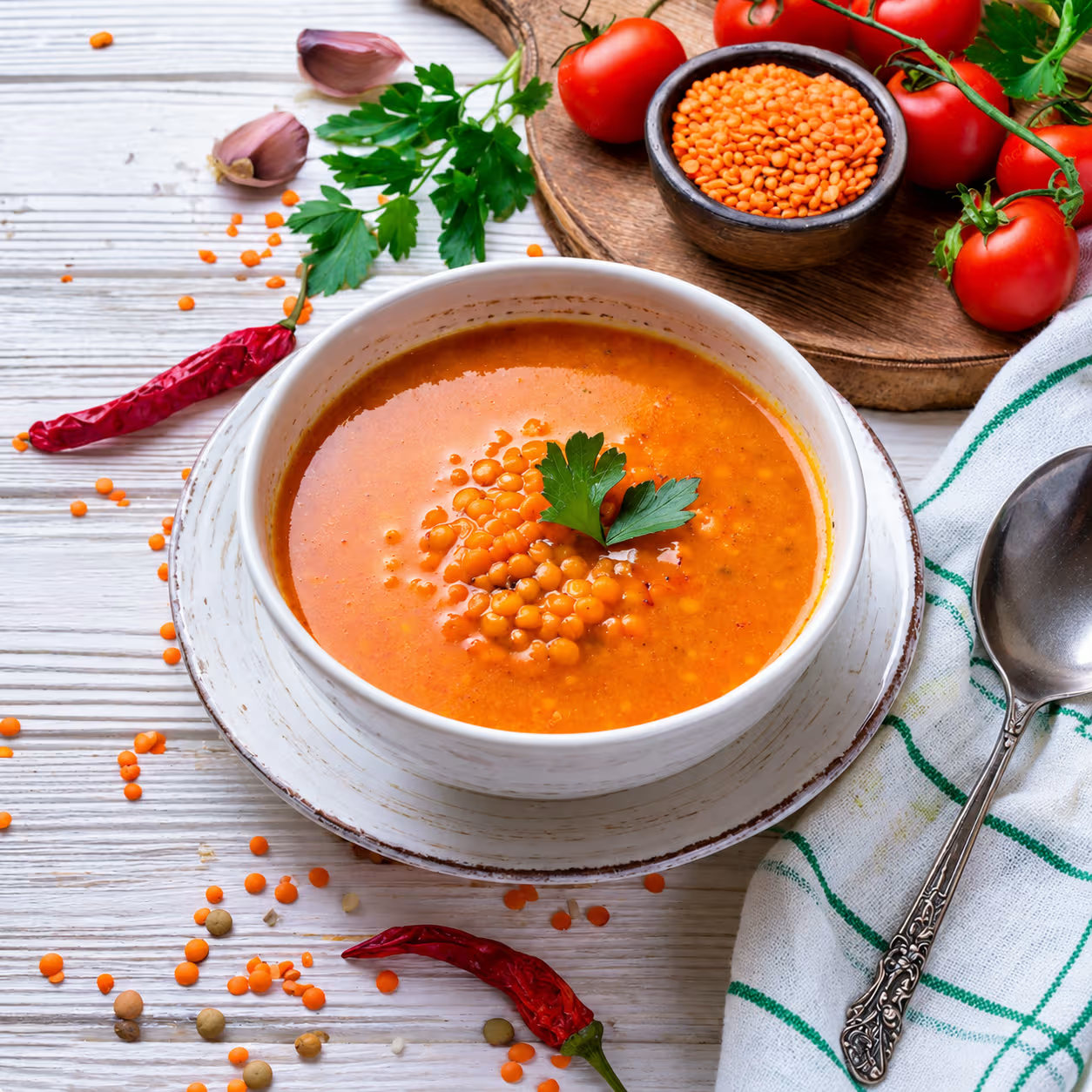
Masoor daal is one of the simplest and most comforting dishes in Pakistani home cooking. Made with red lentils, tomatoes, onions, garlic, ginger and everyday Pakistani spices, this masoor daal recipe creates a hearty, flavorful curry without requiring complicated ingredients or long preparation.
Masoor daal is particularly useful for busy weeknight meals because red lentils cook relatively quickly and do not usually require the long soaking time associated with some other dried legumes. The finished daal can be served with steamed basmati rice, roti, chapati or naan, making it a versatile vegetarian dish for the whole family.
This Pakistani red lentil recipe focuses on a balanced combination of creamy lentils, aromatic spices and a flavorful tadka. The result is a comforting red lentil curry that can be adjusted according to your preferred consistency and level of spice.
Whether you are learning Pakistani cooking for the first time or looking for an easy masoor dal for an everyday dinner, this recipe provides everything you need—from ingredient preparation and cooking instructions to serving ideas, variations, storage tips and frequently asked questions.
What Is Masoor Daal?
Masoor daal is a lentil dish prepared primarily with red lentils, commonly known as masoor dal. When cooked, split red lentils soften quickly and develop a naturally creamy texture.
In Pakistani cuisine, masoor daal is commonly prepared with ingredients such as onions, tomatoes, garlic, ginger, green chilies and spices. A final tempering, often called tadka, can be added by frying spices, garlic or onions in oil or ghee and pouring the aromatic mixture over the cooked lentils.
The dish can range from a relatively thin lentil soup to a thicker curry-like preparation. Its consistency depends on how much water is added and how long the lentils are simmered.
Masoor daal is also adaptable. Some households prepare it with very few ingredients, while others add tomatoes, green chilies, coriander, cumin, red chili powder or additional spices for a stronger flavor.
Why You Will Love This Masoor Daal Recipe
There are several reasons this dish remains a popular part of everyday Pakistani home cooking:
- Quick to prepare: Red lentils cook faster than many whole legumes.
- Simple ingredients: Most ingredients are common pantry staples.
- Budget-friendly: Lentils provide an economical foundation for a satisfying meal.
- Naturally vegetarian: The basic recipe contains no meat.
- Easy to customize: Adjust the spice level, consistency and tadka according to your preference.
- Family-friendly: The heat can be reduced for children.
- Meal-prep friendly: Cooked daal can be refrigerated and reheated.
- Versatile: Serve it with rice, roti, chapati or naan.
- Comforting: Its creamy texture and warm spices make it ideal for an everyday meal.
Masoor Daal Ingredients
Main Ingredients
For approximately 4 servings, you will need:
- 1 cup red masoor daal
- 3 cups water, plus more if needed
- 1 medium onion, finely chopped
- 2 medium tomatoes, chopped
- 3 cloves garlic, minced
- 1-inch piece fresh ginger, grated or finely chopped
- 1–2 green chilies, sliced
- ½ teaspoon turmeric powder
- 1 teaspoon red chili powder
- 1 teaspoon ground coriander
- ½ teaspoon cumin seeds
- ½ teaspoon garam masala
- 1 teaspoon salt, or according to taste
- 2 tablespoons cooking oil or ghee
- 2 tablespoons fresh coriander, chopped
- ½ teaspoon cumin seeds for tempering, optional
- 2–3 dried red chilies, optional
Optional Ingredients
Depending on your preferred style, you can also add:
- Fresh lemon juice
- Kasuri methi
- Black pepper
- Additional green chilies
- Fried onions
- Extra garlic for tadka
- A small amount of butter or ghee
- Fresh ginger strips for garnish
How to Prepare Masoor Daal
Step 1: Wash the Lentils
Place the red masoor daal in a bowl and rinse it several times with clean water until the water becomes relatively clear.
Remove any unwanted particles or damaged lentils.
Red lentils generally do not require extensive soaking, although a short soak can be used if you prefer.
Step 2: Cook the Masoor Daal
Transfer the washed lentils to a pot.
Add approximately 3 cups of water, turmeric powder and a little salt.
Bring the mixture to a boil over medium-high heat.
As the lentils cook, some foam may appear on the surface. You can skim it off if desired.
Reduce the heat and simmer until the lentils become soft.
Depending on the lentils and cooking temperature, this may take approximately 15–25 minutes.
Step 3: Prepare the Masala
While the lentils are cooking, heat oil or ghee in a separate pan.
Add cumin seeds and allow them to sizzle briefly.
Add the chopped onion and cook until softened and lightly golden.
Add ginger and garlic.
Cook for another minute until fragrant.
Add the chopped tomatoes, red chili powder and ground coriander.
Cook the mixture until the tomatoes soften and the oil begins to separate from the masala.
This step is important because properly cooking the onion-tomato mixture helps develop a deeper flavor.
Step 4: Combine the Daal and Masala
Add the cooked lentils to the prepared masala.
Mix thoroughly.
If the daal is too thick, add hot water gradually until you reach your preferred consistency.
Simmer everything together for approximately 5–10 minutes.
Taste and adjust the salt and spices.
Step 5: Finish With Garam Masala
Add garam masala near the end of cooking.
Stir gently and allow the daal to simmer for another minute or two.
Turn off the heat.
Step 6: Prepare the Tadka
For an especially flavorful Pakistani-style finish, prepare a simple tadka.
Heat a small amount of oil or ghee.
Add cumin seeds, dried red chilies and sliced or minced garlic.
Fry briefly until fragrant and lightly golden.
Be careful not to burn the garlic because burnt garlic can make the tadka bitter.
Pour the hot tadka over the cooked masoor daal.
Step 7: Garnish and Serve
Garnish with freshly chopped coriander.
You can also add fresh green chili, ginger strips or a squeeze of lemon juice.
Serve hot with your preferred accompaniment.
How to Make Masoor Daal in a Pressure Cooker
Masoor daal can also be prepared in a pressure cooker when you want to reduce cooking time.
Wash the lentils thoroughly and place them in the pressure cooker with water, turmeric and salt.
Add the chopped tomatoes, onion, ginger and garlic if you prefer to cook the base ingredients together.
Cook according to your pressure cooker’s instructions for red lentils.
Once the pressure has safely released, open the cooker and check the consistency.
Prepare a separate tadka with oil or ghee, cumin, garlic and dried chilies.
Pour the tadka over the cooked daal and garnish with fresh coriander.
Because pressure cookers vary considerably, follow the manufacturer’s instructions for the appropriate cooking time and liquid level.
How to Make Masoor Daal Without a Pressure Cooker
A regular saucepan works perfectly well.
The most important factors are:
- Rinse the lentils thoroughly.
- Use enough water.
- Bring the lentils to a boil.
- Reduce the heat after boiling.
- Simmer until completely tender.
- Stir occasionally to prevent sticking.
- Adjust the consistency with hot water.
- Finish with masala and tadka.
This makes the recipe accessible even if you do not own a pressure cooker.
How to Get the Perfect Daal Consistency
The ideal consistency is largely a matter of personal preference.
For Thin Masoor Daal
Add additional hot water and simmer briefly.
This produces a lighter consistency that works particularly well with steamed rice.
For Medium-Consistency Daal
Use enough water to create a creamy but pourable curry.
This is a versatile consistency for serving with both rice and roti.
For Thick Masoor Daal
Use less water and allow the cooked lentils to simmer longer.
You can also mash some of the lentils with the back of a spoon.
The daal will naturally thicken as it cools.
What Does Masoor Daal Taste Like?
Masoor daal has a mild earthy flavor with a naturally creamy texture.
The lentils themselves are relatively mild, allowing the onion, tomato, garlic, ginger and spices to shape the final flavor.
A well-prepared Pakistani masoor daal can have:
- Mild earthy lentil flavor
- Sweetness from cooked onions
- Tanginess from tomatoes
- Warmth from cumin and coriander
- Heat from chili
- Aromatic depth from garlic and ginger
- Richness from oil or ghee
- Freshness from coriander and lemon
The tadka provides an additional layer of aroma and flavor.
Tips for Making Authentic Pakistani Masoor Daal
1. Do Not Rush the Masala
Cooking the onion and tomato mixture properly creates a deeper flavor.
2. Use Fresh Garlic and Ginger
Fresh aromatics generally provide a more noticeable flavor than relying entirely on dried alternatives.
3. Adjust the Water Gradually
It is easier to thin a thick daal than to rescue one that has become excessively watery.
4. Taste Before Serving
Salt and chili intensity can vary depending on the ingredients used.
Taste the finished daal and make adjustments before serving.
5. Do Not Burn the Tadka
Garlic should become fragrant and lightly golden rather than dark brown or burnt.
6. Add Fresh Coriander at the End
Fresh coriander provides brightness that balances the richer cooked flavors.
7. Use Lemon for Freshness
A small amount of fresh lemon juice can brighten the finished dish, particularly when the daal feels rich.
Common Mistakes When Making Masoor Daal
Using Too Much Water
Excess water can make the dish bland and overly thin.
Add water gradually and adjust toward the end.
Not Cooking the Masala Properly
Raw tomatoes and onions can leave the curry tasting unfinished.
Allow the masala to cook until the tomatoes soften and the mixture becomes aromatic.
Burning the Garlic
Burnt garlic can introduce bitterness.
Cook it over moderate heat and remove it as soon as it becomes fragrant and lightly golden.
Overcooking Until It Becomes Gluey
Masoor daal naturally becomes thicker as it cooks.
If it becomes too thick, loosen it with hot water.
Adding Too Much Chili
The amount of chili should suit the people eating the dish.
For a family-friendly version, start with less and increase gradually.
Masoor Daal Recipe Variations
Pakistani Masoor Daal With Tadka
The classic approach is to finish cooked lentils with a hot tempering of oil or ghee, cumin, garlic and dried chilies.
Masoor Daal With Lemon
Fresh lemon juice gives the finished dish a bright, slightly tangy flavor.
Masoor Daal With Spinach
Fresh spinach can be added toward the end of cooking for a vegetable-rich variation.
Masoor Daal With Vegetables
Carrots, spinach, tomatoes or other suitable vegetables can be incorporated to create a more substantial meal.
Spicy Masoor Daal
Increase green chilies or red chili powder for a hotter version.
Mild Masoor Daal
Reduce the chili and serve with plain rice or roti for a gentler family meal.
What to Serve With Masoor Daal
Masoor daal is extremely versatile and pairs well with many Pakistani staples.
Rice
Serve it with:
- Steamed basmati rice
- Jeera rice
- Plain white rice
- Vegetable rice
The creamy lentils and fluffy rice make a simple and satisfying combination.
Roti and Chapati
A thicker masoor daal works particularly well with roti or chapati.
Tear off a piece of bread and use it to scoop up the lentils.
Naan
For a richer meal, serve masoor daal with fresh naan.
Salad
A simple salad of cucumber, tomato, onion and lemon provides freshness alongside the warm curry.
Pickles and Chutneys
Pakistani pickles and chutneys can add acidity, heat and additional flavor.
Is Masoor Daal Vegetarian?
Yes. A basic masoor daal prepared with lentils, vegetables, spices and plant-based cooking oil is vegetarian.
If you want the recipe to remain vegetarian, use vegetable oil instead of ghee.
Always check packaged ingredients such as spice blends if you are following a strict dietary requirement.
Is Masoor Daal Vegan?
Masoor daal can easily be made vegan.
Use vegetable oil instead of ghee or butter.
The remaining core ingredients—lentils, vegetables, herbs and spices—can be prepared without animal products.
Is Masoor Daal Gluten-Free?
The basic ingredients in masoor daal are naturally gluten-free.
However, if you have celiac disease or need to avoid gluten strictly, check packaged spice blends and other processed ingredients for possible cross-contact or added ingredients.
Serve with naturally gluten-free rice instead of wheat-based roti or naan.
How to Store Masoor Daal
Allow leftover daal to cool appropriately before transferring it to an airtight container.
Store it in the refrigerator and consume it within a few days according to standard food-safety practices.
Because lentils absorb liquid as they sit, refrigerated daal may become considerably thicker.
Add a small amount of water when reheating.
How to Reheat Masoor Daal
Place the daal in a saucepan over low to medium heat.
Add a little water and stir.
Heat until steaming hot throughout.
If the daal has become very thick, continue adding small amounts of water until the original consistency is restored.
You can refresh the flavor with a little fresh coriander or lemon juice before serving.
Can You Freeze Masoor Daal?
Yes, cooked masoor daal can be frozen.
Allow it to cool appropriately before transferring it into freezer-safe containers.
Leave some room for expansion and label the container with the date.
Thaw safely and reheat thoroughly.
You may need to add water because the lentils continue absorbing liquid during storage.
How to Meal Prep Masoor Daal
Masoor daal is convenient for meal preparation because it can be cooked ahead of time.
A practical meal-prep approach is:
- Cook the daal.
- Allow it to cool appropriately.
- Divide it into meal-sized portions.
- Store portions in airtight containers.
- Refrigerate portions intended for short-term use.
- Freeze portions intended for longer storage.
- Reheat with a little water when needed.
- Add fresh coriander or lemon immediately before serving.
Prepare fresh rice or roti separately for each meal.
Masoor Daal vs. Other Pakistani Daal Recipes
Pakistani cuisine includes many different lentil preparations.
Masoor daal uses red lentils and generally cooks relatively quickly.
Moong daal is made from mung beans and has a different flavor and texture.
Chana daal uses split chickpeas and generally has a firmer texture.
Mash daal is prepared from split black gram and has a richer, more substantial character.
Different dals can also be combined to create mixed-lentil dishes.
For more ideas, explore our Lentil (Daal) Recipes collection.
Frequently Asked Questions About Masoor Daal
What is masoor daal?
Masoor daal is a lentil dish made from red masoor lentils. In Pakistani cooking, it is commonly prepared with onions, tomatoes, garlic, ginger, chilies and spices and may be finished with a flavorful tadka.
Do I need to soak masoor daal?
Usually, red masoor lentils do not require a long soaking period. Rinsing them thoroughly before cooking is generally sufficient.
How long does masoor daal take to cook?
Red lentils commonly cook relatively quickly, although the exact time depends on the lentils, water, cooking method and heat level. On the stovetop, approximately 15–25 minutes of simmering may be sufficient once boiling begins.
Why is my masoor daal too thick?
Lentils continue absorbing liquid during cooking and storage. Add hot water gradually and stir until the desired consistency is reached.
Why is my masoor daal watery?
Continue simmering uncovered over moderate heat until some of the excess liquid evaporates. Stir occasionally and avoid adding more water.
Can I make masoor daal without tomatoes?
Yes. Tomatoes provide acidity and flavor but are not essential. You can use lemon juice or another suitable acidic ingredient to provide brightness.
Can I make masoor daal without onion?
Yes. The recipe can be prepared without onion, although the flavor will be different. Garlic, ginger, spices and a flavorful tadka can still provide depth.
Can children eat masoor daal?
Masoor daal can be served as a family meal. For children who do not tolerate spicy food, reduce or omit the green chilies and reduce the chili powder.
What is the best rice for masoor daal?
Basmati rice is an excellent accompaniment because its fluffy texture pairs well with creamy lentils.
Can I use ghee instead of oil?
Yes. Ghee can provide a richer aroma and flavor. For a vegan version, use vegetable oil instead.
How can I make masoor daal more flavorful?
A properly cooked onion-tomato masala and a fresh garlic-cumin tadka are two effective ways to increase the depth and aroma of the dish.
Can I make masoor daal in an Instant Pot or pressure cooker?
Yes. Masoor daal can be cooked under pressure, but cooking times and liquid requirements vary between appliances. Follow the manufacturer’s instructions and adjust the consistency after cooking.
Masoor Daal Serving Suggestions
For a complete Pakistani-style meal, serve this daal with:
- Basmati rice
- Roti
- Chapati
- Naan
- Cucumber and tomato salad
- Lemon wedges
- Green chilies
- Mango or mixed pickle
- Fresh coriander
- Yogurt or raita
A simple combination of masoor daal, basmati rice and fresh salad can make a satisfying everyday meal without requiring several complicated side dishes.
A Simple Weeknight Masoor Daal Meal
For a practical family dinner, prepare the masoor daal while the rice cooks.
While both are cooking, prepare a quick salad using cucumber, tomato, onion and lemon.
Finish the daal with fresh coriander and tadka.
This creates a complete meal using relatively simple ingredients and minimal preparation.
Cooking Notes for Better Results
The most important part of this recipe is not a complicated technique. It is balancing the basic components.
The lentils should become tender and creamy.
The masala should be cooked enough to remove the raw flavor of the onions and tomatoes.
The spices should provide warmth without overwhelming the lentils.
The tadka should add aroma rather than bitterness.
Finally, the consistency should be adjusted according to how you intend to serve the dish.
A thinner daal works particularly well with rice, while a thicker preparation is convenient for roti or chapati.
Explore More Pakistani Recipes
If you enjoy this Pakistani masoor daal recipe, explore more recipes and cooking guides from our website:
- Recipes
- Lentil (Daal) Recipes
- Pakistani Cuisine
- Pakistani Home Cooking
- Vegetarian Recipes
- Healthy Cooking
- Vegetables & Legumes
- Pakistani Spices
- Daal Recipes Collection
These internal links help readers discover related recipes while creating a clearer topical relationship between lentils, Pakistani cuisine, vegetarian cooking and individual recipe pages.
Recipe Summary
This masoor daal recipe is a practical Pakistani red lentil curry made with red lentils, tomatoes, onions, garlic, ginger and warming spices.
The lentils are cooked until tender, combined with a flavorful masala and finished with a fragrant tadka.
The recipe is flexible enough for everyday cooking and can be served with rice, roti, chapati or naan.
For a mild version, reduce the chilies. For a richer version, finish with ghee and garlic tadka. For a vegan version, use vegetable oil.
Final Thoughts
Masoor daal demonstrates how simple ingredients can create a deeply satisfying Pakistani home-cooked meal. Red lentils provide a creamy base, while onions, tomatoes, garlic, ginger and Pakistani spices build the flavor.
The recipe is easy enough for a weeknight dinner but flexible enough to adapt to different tastes and serving styles.
Whether you serve it with fragrant basmati rice, fresh roti, chapati or naan, this authentic masoor daal is a comforting addition to a Pakistani-inspired meal.
For readers building their knowledge of Pakistani cooking, it is also a useful starting point for exploring the wider world of daal recipes, vegetarian recipes and traditional Pakistani home cooking.