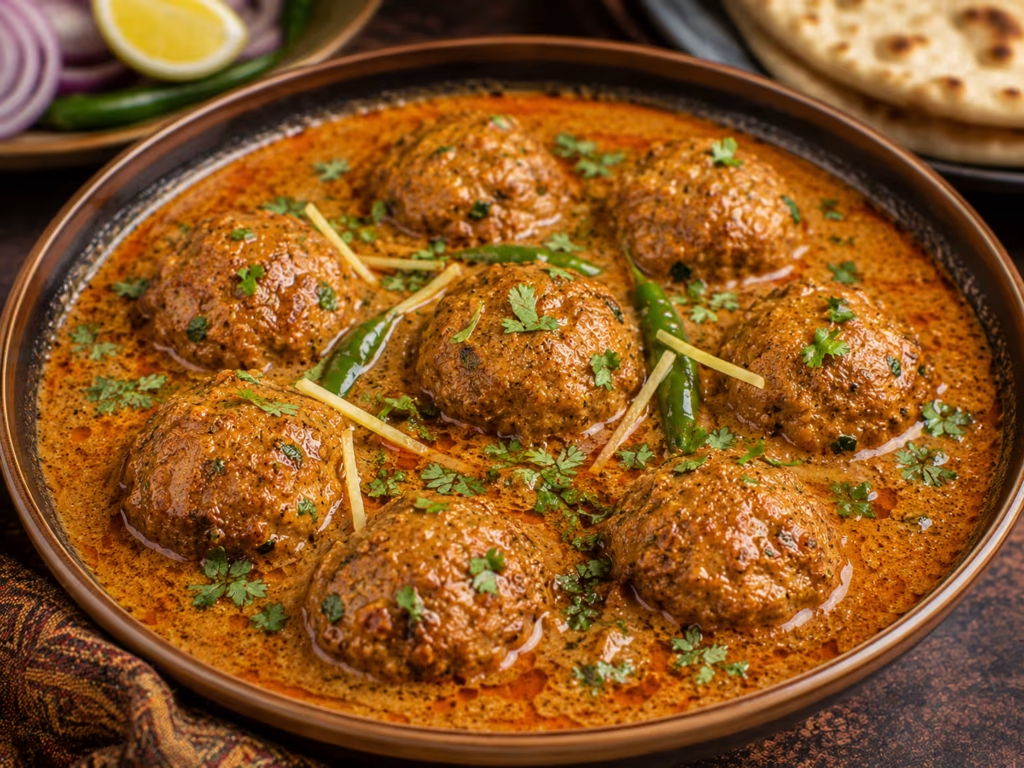
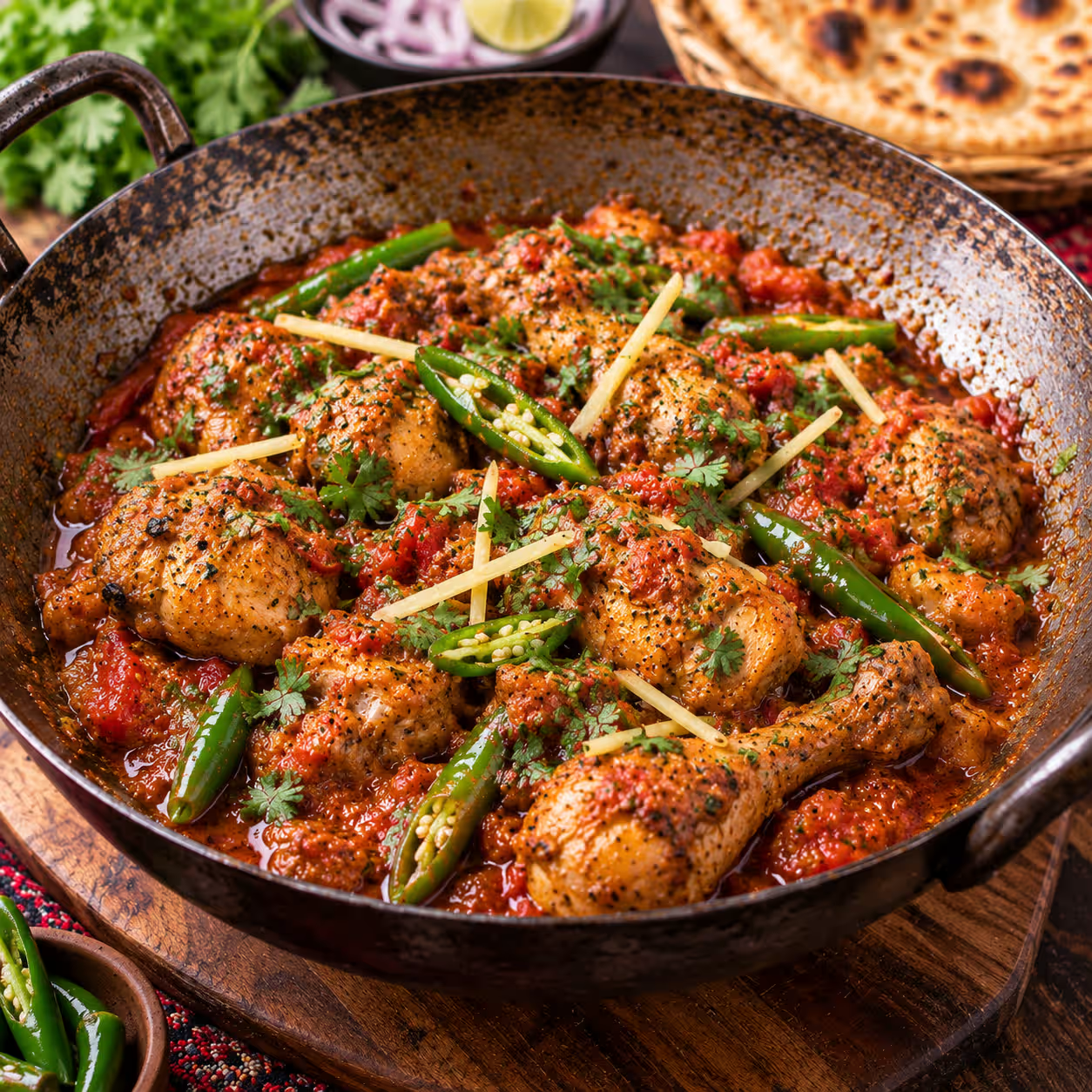
Dhaba Style Chicken Karahi
Dhaba style chicken karahi is a bold and rustic Pakistani chicken dish made with tender chicken, fresh tomatoes, green chilies, ginger, garlic, and aromatic spices. Unlike creamy restaurant curries, traditional dhaba-style karahi is usually cooked over high heat with generous oil, allowing the tomatoes and spices to develop a rich, concentrated masala.
This dhaba style chicken karahi recipe recreates the hearty flavor associated with roadside dhabas and traditional Pakistani restaurants. The chicken is cooked until tender, while the tomato-based masala is reduced until thick and glossy. Fresh ginger, green chilies, and coriander are added near the end to give the karahi its characteristic fresh aroma and spicy finish.
Whether you are preparing a family dinner, weekend meal, or Pakistani-style feast, this recipe gives you a practical way to make Pakistani dhaba chicken karahi at home.
What Is Dhaba Style Chicken Karahi?
Dhaba style chicken karahi is a rustic version of Pakistani chicken karahi traditionally associated with dhabas, which are casual roadside eateries known for hearty, freshly cooked food.
The defining feature is its cooking method. Instead of simmering chicken in a thin gravy for a long time, the ingredients are cooked in a karahi or heavy pan over relatively high heat. Tomatoes are cooked down until their moisture evaporates, while oil separates from the masala.
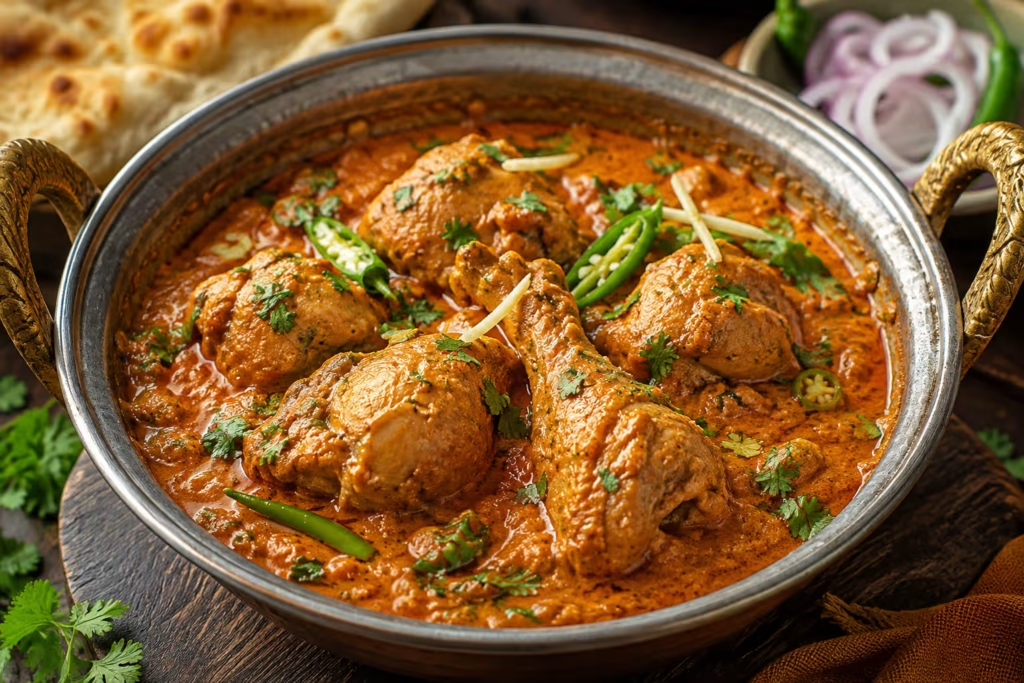
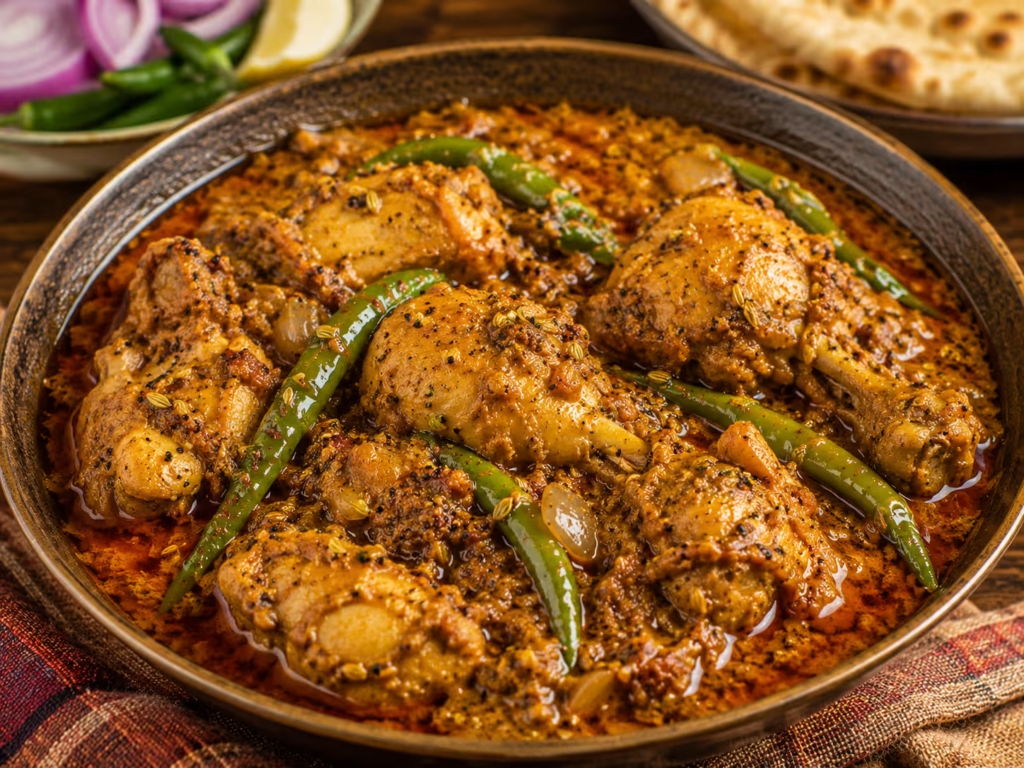
A good dhaba-style karahi should have:
- Tender, flavorful chicken
- A thick tomato-based masala
- Noticeable ginger and garlic
- Fresh green chilies
- A moderate to spicy heat level
- A generous amount of fresh coriander
- A glossy finish from properly cooked oil
- A rustic, freshly cooked aroma
It is generally thicker and more intensely flavored than an ordinary chicken curry.
Ingredients for Dhaba Style Chicken Karahi
The best results come from using fresh ingredients, particularly ripe tomatoes, fresh ginger, green chilies, and coriander.
Main Ingredients
- 1 kg chicken, preferably bone-in pieces
- 5–6 medium ripe tomatoes, finely chopped
- 4–6 green chilies, sliced
- 2 tablespoons fresh ginger, julienned
- 1 tablespoon ginger-garlic paste
- ½ cup cooking oil or ghee
- ½ cup fresh coriander, chopped
- Salt to taste
Spices
- 1 teaspoon red chili powder
- 1 teaspoon Kashmiri red chili powder for color
- 1 teaspoon crushed coriander seeds
- ½ teaspoon cumin seeds
- ½ teaspoon freshly ground black pepper
- ½ teaspoon crushed cumin
- ½ teaspoon garam masala
- ½ teaspoon turmeric powder
Optional Ingredients
For a stronger dhaba-style flavor, you can also add:
- 1 teaspoon crushed dried fenugreek leaves
- ½ teaspoon red chili flakes
- 1–2 tablespoons ghee toward the end
- Extra green chilies for a spicier karahi
Why Bone-In Chicken Works Well
Bone-in chicken is particularly suitable for a traditional karahi because the bones add flavor while the chicken cooks with the tomato and spice mixture.
Chicken with skin removed but bones retained works especially well. However, boneless chicken can also be used when convenience is more important.
If using boneless chicken, reduce the cooking time slightly to prevent the meat from becoming dry.
How to Make Dhaba Style Chicken Karahi
Step 1: Heat the Karahi
Place a large, heavy-bottomed karahi or wok over medium-high heat.
Add the cooking oil and allow it to become hot, but do not let it smoke excessively.
A heavy pan helps distribute heat evenly and reduces the risk of the tomato masala sticking or burning.
Step 2: Fry the Ginger and Garlic
Add the ginger-garlic paste and cook for about 30–60 seconds.
Stir continuously so the garlic does not burn.
The purpose of this step is to remove the raw aroma and create a fragrant base for the chicken.
Step 3: Add the Chicken
Add the chicken pieces and increase the heat to medium-high.
Stir-fry the chicken for approximately 6–8 minutes.
The outside of the chicken should change color and develop a lightly browned appearance.
This high-heat cooking is an important part of achieving the rustic character associated with Pakistani dhaba chicken karahi.
Step 4: Add the Spices
Add:
- Salt
- Red chili powder
- Kashmiri chili powder
- Turmeric
- Crushed coriander seeds
- Cumin
- Black pepper
Stir thoroughly so that the spices coat the chicken.
Cook for another 2–3 minutes.
Do not add excessive water at this stage. The goal is to fry the chicken and spices together rather than immediately turning the dish into a watery curry.
Step 5: Add the Tomatoes
Add the chopped tomatoes to the karahi.
Stir well and cook over medium-high heat for approximately 10–15 minutes.
The tomatoes will initially release plenty of moisture. Keep cooking until they soften and begin breaking down.
For an authentic texture, allow the tomato mixture to reduce naturally rather than adding large amounts of water.
Step 6: Cook Until the Masala Becomes Thick
Continue stirring occasionally while the tomatoes cook down.
As the water evaporates, the mixture will become thicker.
At this stage, the oil should begin appearing around the edges of the masala.
This process is commonly known as bhunai—frying and reducing the masala until its flavors become concentrated.
Bhunai is one of the most important steps for achieving a flavorful restaurant-style chicken karahi.
Step 7: Cook the Chicken Until Tender
If the chicken is not yet completely tender, reduce the heat to medium-low.
Cover the karahi and cook until the chicken is fully cooked.
If necessary, add a small splash of water, but avoid adding too much.
The finished dish should have a thick masala rather than a watery gravy.
Step 8: Add Green Chilies and Ginger
Once the chicken is tender, add sliced green chilies and half of the julienned ginger.
Cook for another 2–3 minutes.
The green chilies add freshness and heat, while the ginger provides the characteristic sharp aroma of Pakistani karahi.
Step 9: Finish With Garam Masala and Coriander
Add garam masala and the remaining fresh ginger.
Turn off the heat and add freshly chopped coriander.
For an especially rich finish, you can add a small spoonful of ghee and allow it to melt into the hot karahi.
Step 10: Rest Before Serving
Allow the karahi to rest for approximately 5 minutes before serving.
This short resting period allows the flavors to settle and the masala to cling more closely to the chicken.
How to Get Authentic Dhaba-Style Flavor
The cooking technique matters as much as the ingredient list.
Use Fresh Tomatoes
Fresh ripe tomatoes provide the acidity and moisture required for the masala.
Avoid relying entirely on tomato puree if you want a rustic texture.
Cook the Masala Properly
Do not rush the tomato reduction.
If the tomatoes remain watery, the final dish can taste more like ordinary chicken curry than karahi.
Cook until the excess moisture evaporates and the oil begins to separate.
Use High Heat Carefully
Dhaba-style cooking often involves relatively high heat, but the pan should be monitored continuously.
High heat develops flavor quickly, while excessive heat can burn the garlic, spices, or tomatoes.
Add Fresh Ingredients Near the End
Fresh ginger, green chilies, and coriander should not all be cooked for a long time.
Adding some of them near the end preserves their aroma and gives the dish a fresher finish.
Do Not Overload the Dish With Spices
Authentic flavor does not necessarily mean using a large number of spices.
The main flavor profile should come from:
Chicken + tomatoes + ginger + green chilies + coriander + controlled spices.
How Spicy Is Dhaba Chicken Karahi?
Traditional dhaba-style karahi can be moderately spicy to very spicy, depending on the amount and type of green chilies and red chili powder used.
For a milder version:
- Use fewer green chilies.
- Reduce red chili powder.
- Use Kashmiri chili powder primarily for color.
- Remove the seeds from some green chilies.
For a hotter spicy dhaba karahi, use additional fresh green chilies and a small amount of crushed red chili flakes.
Can You Make Dhaba Chicken Karahi Without a Karahi?
Yes.
A heavy-bottomed wok, cast-iron skillet, Dutch oven, or deep frying pan can work well.
The important factors are:
- The pan should distribute heat evenly.
- It should be large enough to cook the chicken without overcrowding.
- It should allow enough surface area for the tomato masala to reduce.
A traditional karahi is ideal, but it is not essential.
Bone-In vs. Boneless Chicken
Bone-In Chicken
Bone-in chicken is a good choice when you want:
- Deeper flavor
- Juicier chicken
- A traditional presentation
- Longer cooking without the meat drying quickly
Boneless Chicken
Boneless chicken is convenient and cooks faster.
Chicken breast can become dry if overcooked, so keep the cooking time shorter.
Boneless chicken thighs are generally more forgiving because they contain more fat and remain tender during cooking.
How to Make Restaurant-Style Chicken Karahi
For a richer restaurant-style chicken karahi, you can make a few adjustments without changing the basic recipe.
Use a little extra ghee toward the end, increase the amount of fresh ginger and coriander, and allow the tomato masala to reduce thoroughly.
Some restaurants may also use more oil than a typical home cook would.
For a home version, you can control the amount of oil while still achieving a rich flavor by cooking the masala properly.
Common Mistakes When Making Chicken Karahi
Adding Too Much Water
This is one of the most common problems.
Karahi is supposed to have a thick, concentrated masala. Adding too much water turns it into a curry.
Not Cooking the Tomatoes Enough
If the tomatoes remain undercooked, the dish can taste sharp and raw.
Allow them enough time to break down and reduce.
Burning the Spices
Spices can burn quickly in a very hot pan.
If the pan becomes too dry, reduce the heat and stir continuously.
Overcooking Boneless Chicken
Boneless chicken, particularly breast meat, can become tough if cooked for too long.
Adjust the cooking time according to the cut of chicken.
Adding Coriander Too Early
Fresh coriander loses much of its aroma when cooked for a long time.
Reserve some for the final garnish.
Using Too Many Spices
Adding every available spice does not necessarily make karahi more authentic.
The flavor should remain centered around chicken, tomatoes, ginger, chilies, and coriander.
How to Serve Dhaba Style Chicken Karahi
Dhaba-style chicken karahi is traditionally enjoyed hot and fresh.
Serve it with:
- Tandoori roti
- Naan
- Garlic naan
- Chapati
- Paratha
- Plain basmati rice
For a complete Pakistani-style meal, serve the karahi with sliced onions, lemon wedges, fresh coriander, and green chilies.
A simple cucumber or mixed salad can also provide a refreshing contrast to the spicy karahi.
What to Serve With Chicken Karahi
Naan
Soft naan is excellent for scooping up the thick tomato masala.
Tandoori Roti
Tandoori roti provides a lighter option and works particularly well with a spicy karahi.
Basmati Rice
Rice is useful when you prefer a spoon-based meal rather than eating the karahi with bread.
Fresh Salad
A simple salad made with cucumber, tomato, onion, lemon, and coriander can balance the richness and heat of the dish.
Storage and Reheating
Allow leftover karahi to cool before transferring it to an airtight container.
Refrigerate and consume within a few days.
When reheating, use a pan over medium heat. Add a small splash of water if the masala has become too thick, then heat until the chicken is steaming hot throughout.
Avoid repeatedly reheating the entire batch. Reheat only the amount you plan to eat.
Can Dhaba Style Chicken Karahi Be Frozen?
Yes, chicken karahi can generally be frozen in an airtight, freezer-safe container.
For the best texture, allow it to cool properly before freezing.
Thaw it safely in the refrigerator and reheat thoroughly in a pan.
Fresh coriander and ginger can be added after reheating to restore some of the fresh aroma.
Dhaba Style Chicken Karahi Recipe Variations
Spicy Dhaba Karahi
Increase green chilies and red chili flakes for a hotter version.
Creamy Chicken Karahi
For a richer variation, a small amount of cream can be added near the end. However, this creates a creamier dish rather than the traditional tomato-forward dhaba profile.
Smoky Chicken Karahi
A brief smoking technique using hot charcoal can add a restaurant-style smoky aroma. Use this technique carefully and only with appropriate heat-safe cookware.
Boneless Chicken Karahi
Use boneless chicken thighs or breast when you prefer easier eating and shorter cooking time.
Frequently Asked Questions
What is dhaba style chicken karahi?
Dhaba style chicken karahi is a rustic Pakistani chicken dish cooked in a karahi or heavy pan with chicken, tomatoes, ginger, garlic, green chilies, spices, and fresh coriander. The masala is reduced until thick and flavorful.
What makes chicken karahi taste like dhaba-style karahi?
The characteristic flavor comes from high-heat cooking, fresh tomatoes, proper bhunai, ginger, green chilies, coriander, and a thick reduced masala.
Is dhaba chicken karahi very spicy?
It can be. The heat depends mainly on the quantity and type of green chilies and chili powder. You can easily adjust the spice level for your family.
Can I make chicken karahi without tomatoes?
Tomatoes are a major component of this particular dhaba-style recipe. Removing them changes the flavor and texture substantially. If you want a tomato-free variation, it is better to follow a recipe specifically designed for a white or creamy karahi.
Can I use boneless chicken?
Yes. Boneless chicken works well, but it generally requires less cooking time than bone-in chicken.
Why is my chicken karahi watery?
The most common reason is that the tomatoes have not been reduced sufficiently or too much water was added during cooking. Continue cooking uncovered until the excess moisture evaporates and the masala becomes thick.
Why does my chicken karahi taste too acidic?
Very sour tomatoes can make the karahi taste acidic. Using ripe tomatoes and cooking them thoroughly helps balance their acidity. The natural sweetness that develops during cooking also helps round out the flavor.
How do I make chicken karahi less spicy?
Reduce the amount of green chilies and red chili powder. Kashmiri chili powder can be used in moderation when you want color without adding as much heat.
Can I use a frying pan instead of a karahi?
Yes. A large, heavy-bottomed frying pan or wok can be used. Make sure it is large enough to prevent overcrowding.
How long does chicken karahi take to cook?
This recipe generally takes around 50–60 minutes including preparation and cooking, although the exact time depends on the size and type of chicken pieces and the cooking temperature.
Recipe Summary
This dhaba style chicken karahi recipe uses a straightforward combination of chicken, tomatoes, ginger, garlic, green chilies, spices, and fresh coriander.
The most important part of the recipe is not simply the ingredient list—it is the cooking process.
Cook the chicken over sufficiently high heat, allow the tomatoes to break down, reduce the masala thoroughly, and finish with fresh ginger, green chilies, and coriander.
The result should be a thick, aromatic and spicy Pakistani chicken dish that pairs naturally with naan, roti, or rice.
Explore More Chicken Recipes
If you enjoy this recipe, explore more recipes in our Recipes Collection for additional Pakistani and South Asian dishes.
For chicken-focused recipes, visit our Chicken Recipes collection.
You can also browse our Karahi Recipes Collection for more variations of traditional Pakistani karahi.
Final Thoughts
A good dhaba style chicken karahi is all about simple ingredients, high-heat cooking, and patience during the bhunai stage. You do not need a complicated spice blend to create deep flavor. Fresh tomatoes, tender chicken, ginger, green chilies, coriander, and properly reduced masala provide the foundation.
For the most authentic home-style result, avoid making the sauce overly thin. Let the tomatoes cook down until the masala becomes thick and glossy, then finish the karahi with fresh ginger, chilies, and coriander.
Serve it immediately with hot naan, tandoori roti, or basmati rice for a satisfying Pakistani-style meal.