Pakistani Biryani: Traditional Pakistani Rice Dish, Regional Styles and Food Culture
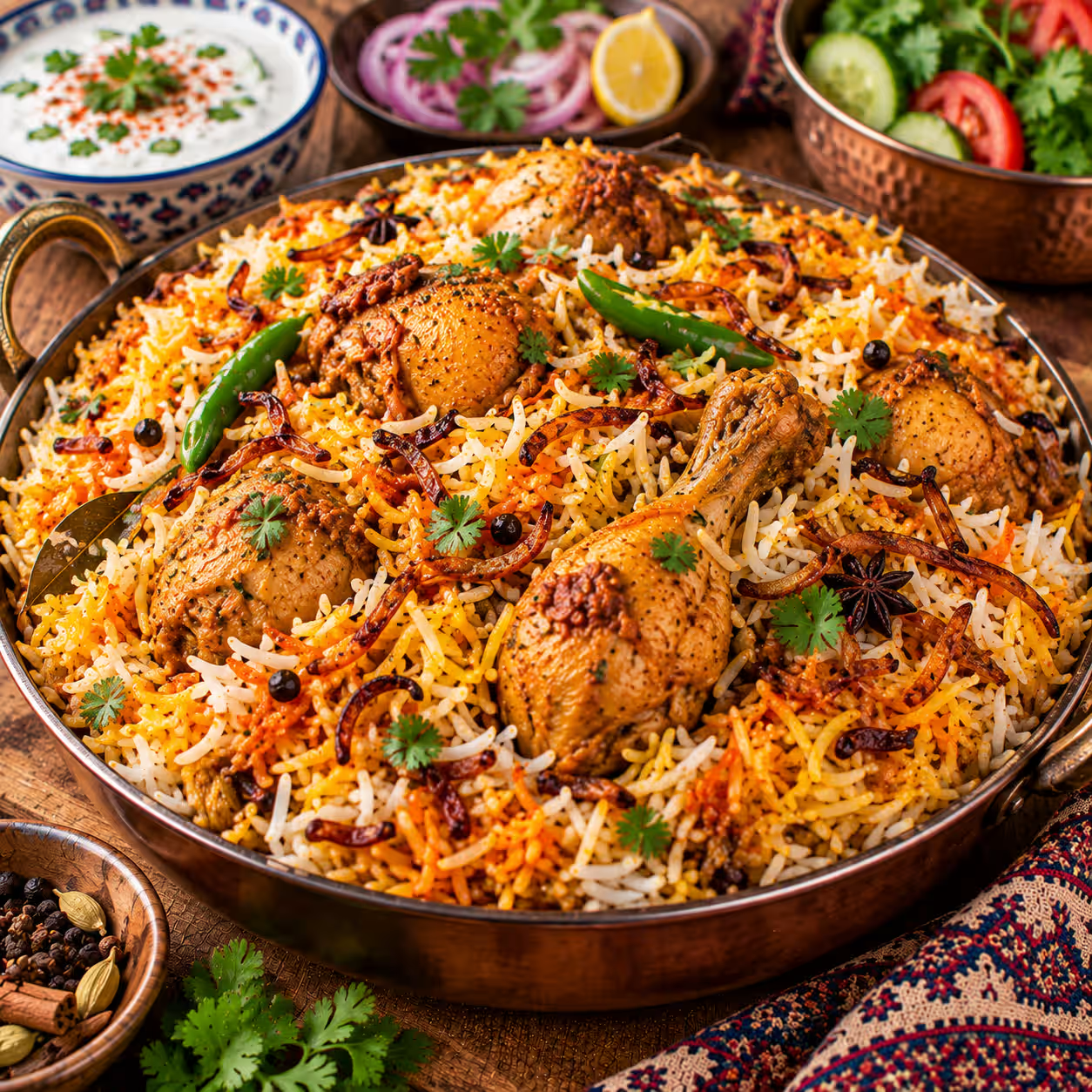
Pakistani biryani is one of the best-known dishes associated with Pakistani cuisine. It combines fragrant basmati rice with seasoned meat, aromatic spices, onions, herbs and other ingredients to create a layered rice dish that can range from moderately spiced to intensely hot.
Biryani is much more than simply rice cooked with meat. Its character comes from the relationship between the rice, masala, whole spices, herbs and cooking technique. Depending on the region, household and occasion, Pakistani biryani can have very different flavors, colors and levels of heat.
Some versions emphasize a rich chicken or mutton masala, while others are known for stronger chili, tangy yogurt, potatoes, fried onions or distinctive regional spice combinations.
For many families, biryani is associated with gatherings, celebrations, weddings, family meals and special occasions. At the same time, it is widely enjoyed as an everyday restaurant and takeaway dish.
This guide explains what Pakistani biryani is, how it differs from pulao, the main regional styles, essential ingredients, the cooking process, common mistakes, serving traditions and the role biryani plays in Pakistani food culture.
What Is Pakistani Biryani?
Pakistani biryani is a layered rice dish traditionally made by combining partially cooked or parboiled basmati rice with a strongly seasoned meat or vegetable masala.
The ingredients are then combined and finished together, often through a process known as dum cooking.
The final dish should ideally contain rice grains that remain distinct while carrying the aroma and flavor of the masala.
A typical Pakistani biryani may include:
- Basmati rice
- Chicken, mutton, beef or another protein
- Onions
- Tomatoes
- Yogurt
- Ginger
- Garlic
- Green chilies
- Fresh coriander
- Fresh mint
- Whole spices
- Ground spices
- Lemon
- Cooking oil or ghee
- Saffron or infused milk in some versions
The exact ingredient list varies considerably.
There is no single recipe that represents every Pakistani household or region.
Why Is Pakistani Biryani So Popular?
Several characteristics make biryani particularly memorable.
Fragrant Rice
Good-quality basmati rice provides long grains and a characteristic aroma.
Layered Flavor
Instead of depending on one spice, biryani develops flavor from onions, aromatics, whole spices, ground spices, herbs, yogurt and the meat masala.
Contrasting Textures
The finished dish can combine fluffy rice, tender meat, soft onions and fresh herbs.
Flexible Regional Styles
Different Pakistani cities and regions have developed their own approaches to biryani.
Suitable for Gatherings
A large pot of biryani can feed many people, making it practical for family gatherings and celebrations.
Strong Food-Culture Connection
Biryani has become closely associated with Pakistani restaurants, home cooking, celebrations and South Asian food culture.
The Relationship Between Biryani and Pakistani Food Culture
Food in Pakistan is closely connected with family life, hospitality and social occasions.
Biryani frequently appears at:
- Weddings
- Eid gatherings
- Family celebrations
- Dinner parties
- Community events
- Restaurant meals
- Weekend family lunches
- Special dinners
Its ability to be prepared in large quantities makes it particularly suitable for occasions where many people are eating together.
A large serving dish of biryani can also become a central part of a shared meal, accompanied by raita, salad, chutney and other sides.
This combination of practicality, flavor and cultural familiarity has helped biryani become one of the most recognizable examples of famous Pakistani food.
Is Biryani Originally Pakistani?
Biryani has a long and complex history across South Asia and cannot be attributed exclusively to one modern country.
Its development is associated with broader South Asian culinary traditions, including influences from Persianate and Central Asian food cultures and the cooking traditions that developed across the Indian subcontinent.
After the creation of Pakistan in 1947, different regional communities continued developing and popularizing their own biryani traditions.
Consequently, Pakistani biryani should be understood as part of a wider South Asian culinary history while also recognizing the distinctive styles that developed within Pakistan.
What Makes Pakistani Biryani Different?
There is no single characteristic that separates every Pakistani biryani from every other biryani.
However, many Pakistani versions are known for combinations of:
- Fragrant basmati rice
- Strong aromatic spices
- Noticeable chili
- Tangy yogurt
- Fresh mint and coriander
- Fried onions
- Layered cooking
- Chicken, mutton or beef
- Distinctive regional masalas
Some Pakistani styles are particularly spicy, while others emphasize aroma and balanced seasoning.
The amount of tomato, yogurt, chili, potato and whole spices can also vary.
Main Types of Pakistani Biryani
Pakistani biryani has several regional and popular styles.
Sindhi Biryani
Sindhi biryani is strongly associated with Sindh and is widely recognized for its robust seasoning.
Common characteristics include:
- Meat
- Basmati rice
- Potatoes
- Yogurt
- Tomatoes
- Green chilies
- Mint
- Coriander
- Fried onions
- A pronounced spice profile
Potatoes are an important feature in many versions.
The balance between chili, acidity and aromatic spices gives Sindhi biryani a distinctive character.
Karachi Biryani
Karachi-style biryani is especially popular in Pakistan’s largest city and has become widely associated with restaurant and takeaway culture.
It is often known for:
- Noticeable chili heat
- Aromatic spices
- Potatoes in many versions
- Fried onions
- Mint
- Coriander
- Tangy masala
- Layered rice
Different restaurants and households use their own spice blends, so Karachi biryani is not a single standardized recipe.
Lahore-Style Biryani
Lahore has a strong food culture with many restaurants and home-cooking traditions.
Biryani in Lahore can vary considerably between cooks, but versions commonly feature fragrant rice, chicken or meat, aromatic spices and a flavorful masala.
The term “Lahori biryani” should therefore be understood as a regional or culinary description rather than one fixed recipe.
Memoni Biryani
Memoni biryani is associated with the Memon community and is particularly known for a strong, spicy flavor profile.
It is often characterized by:
- Robust spices
- Meat
- Potatoes in many preparations
- Strong chili
- Fragrant rice
Like other regional biryanis, recipes vary between families and cooks.
Chicken Biryani
Chicken biryani is one of the most widely prepared versions.
Chicken is generally cooked with a spiced masala before being combined with partially cooked rice.
Because chicken cooks relatively quickly compared with some red meats, it is practical for home preparation.
Mutton Biryani
Mutton biryani uses goat or mutton and generally requires more cooking time than chicken biryani.
The meat can contribute a rich flavor to the masala.
Properly tenderizing the mutton before the final rice-steaming stage is important.
Beef Biryani
Beef biryani is another variation found in Pakistani cooking.
Because beef cuts vary significantly in tenderness, the meat usually needs to be cooked until tender before the final rice layering and steaming.
Essential Ingredients in Pakistani Biryani
Basmati Rice
Rice is the foundation of biryani.
Long-grain basmati is valued for its aroma and ability to produce elongated, separate grains when cooked correctly.
Chicken or Meat
Chicken, mutton and beef are all used in Pakistani biryani.
The choice affects cooking time, flavor and the type of masala required.
Onions
Onions provide sweetness, body and depth.
Fried onions are also commonly used between rice layers or as a garnish.
Yogurt
Yogurt contributes acidity, creaminess and moisture to many biryani masalas.
It also works with spices to create a balanced meat marinade or cooking base.
Tomatoes
Tomatoes provide acidity, moisture and color.
Some regional or household recipes use more tomatoes than others.
Ginger and Garlic
Fresh ginger and garlic provide a strong aromatic foundation.
Green Chilies
Green chilies provide both heat and fresh aroma.
Their quantity can be adjusted according to the style and desired spice level.
Fresh Mint and Coriander
Fresh herbs add brightness to the otherwise rich rice and masala.
Whole Spices
Common whole spices include:
- Cinnamon
- Green cardamom
- Black cardamom
- Cloves
- Bay leaves
- Cumin
- Black pepper
- Star anise in some versions
The exact combination varies.
Ground Spices
Common spices include:
- Turmeric
- Red chili
- Coriander
- Cumin
- Garam masala
- Biryani spice blends
The Role of Biryani Masala
Biryani masala refers to the spice mixture used to season the meat and rice.
It may be made at home from individual spices or purchased as a prepared spice blend.
A homemade blend can include combinations of:
- Coriander
- Cumin
- Black pepper
- Cinnamon
- Cardamom
- Cloves
- Bay leaf
- Dried chilies
- Nutmeg
- Mace
Not every recipe uses all of these ingredients.
The goal is balance rather than simply maximizing the number of spices.
How Pakistani Biryani Is Traditionally Cooked
Although recipes vary, the cooking process often follows several major stages.
Stage 1: Prepare the Rice
Basmati rice is rinsed thoroughly.
It may then be soaked before cooking.
Stage 2: Prepare the Masala
Onions, ginger, garlic, tomatoes, yogurt and spices are cooked together with the meat.
The goal is to develop a concentrated and flavorful masala.
Stage 3: Partially Cook the Rice
The rice is generally cooked separately until it is partially done.
The grains should be firm enough to withstand the final steaming stage.
Stage 4: Layer the Rice and Masala
The meat masala is placed in the cooking vessel and partially cooked rice is layered over it.
Additional fried onions, mint, coriander, chilies or saffron-infused liquid may be added between or over the layers.
Stage 5: Dum Cooking
The pot is covered tightly and cooked over low heat.
This allows steam to circulate through the rice and meat.
The final steaming stage helps bring together the flavors without aggressively stirring the rice.
What Does Dum Cooking Mean?
Dum cooking is a technique in which food is cooked in a covered vessel using trapped steam and gentle heat.
In biryani, the lid is often sealed or tightly covered so that steam remains inside the pot.
This allows the rice to finish cooking while absorbing aromas from the masala, herbs and spices.
The final result should be fragrant rice with a cohesive but not overly wet texture.
How to Get Separate Biryani Rice Grains
Separate rice grains are one of the most important visual and textural qualities of biryani.
Rinse the Rice
Rinsing removes some surface starch.
Soak When Appropriate
Soaking can help the rice cook more evenly.
Use Plenty of Water for Parboiling
When rice is boiled separately, using sufficient water gives the grains room to cook evenly.
Avoid Overcooking
The rice should remain somewhat firm before the final dum stage.
Handle Rice Gently
Aggressive stirring can break the grains.
Control Dum Cooking
Too much heat during the final stage can burn the bottom before the rice finishes steaming.
Pakistani Biryani vs. Pulao
Biryani and pulao are both important South Asian rice dishes, but they use different techniques.
| Pakistani Biryani | Pulao |
|---|---|
| Often uses layered rice and masala | Rice commonly cooks directly in broth |
| Rice is frequently parboiled first | Rice is commonly cooked in the seasoned liquid |
| Stronger masala is common | Broth and whole-spice aroma are often central |
| Dum cooking is common | One-pot cooking is common |
| Often more intensely spiced | Often more restrained in spice profile |
| Frequently associated with celebrations | Often suitable for everyday meals |
There are exceptions to these generalizations because both dishes have many regional and household variations.
Biryani vs. Fried Rice
Pakistani biryani is also different from fried rice.
Fried rice generally involves cooked rice being stir-fried with vegetables, meat, eggs, sauces or seasonings.
Biryani is built around the relationship between partially cooked rice and a seasoned meat or vegetable masala, followed by final cooking or steaming.
The two dishes therefore use different techniques and have different flavor structures.
How Spicy Is Pakistani Biryani?
Pakistani biryani can range from moderately spicy to very hot.
The spice level depends on:
- Green chilies
- Red chili powder
- Biryani masala
- Type of chilies used
- Regional style
- Individual household preference
Restaurant versions can sometimes be considerably hotter than home-cooked versions.
Spice intensity is therefore not a fixed characteristic of every Pakistani biryani.
Is Pakistani Biryani Always Made With Chicken?
No.
Popular versions include:
- Chicken biryani
- Mutton biryani
- Beef biryani
- Vegetable biryani
- Fish biryani in some culinary traditions
Chicken is particularly common because it cooks relatively quickly.
Is Potato Used in Pakistani Biryani?
Potatoes are used in many Pakistani biryanis, particularly in several Sindhi and Karachi-associated preparations.
However, potatoes are not mandatory in every Pakistani biryani recipe.
Their inclusion depends on the regional style, household tradition and personal preference.
Vegetarian Pakistani Biryani
Vegetarian biryani can be prepared using vegetables instead of meat.
Common additions include:
- Potatoes
- Peas
- Carrots
- Cauliflower
- Green beans
- Bell peppers
Vegetable biryani can still use the same fundamental layering and dum-cooking principles.
For more vegetable-focused Pakistani dishes, explore the Vegetarian Recipes section of the site.
What Makes Good Pakistani Biryani?
Good biryani is not simply defined by being very spicy or very colorful.
A well-balanced biryani should have:
- Fragrant rice
- Properly cooked meat
- Distinct rice grains
- A flavorful masala
- Balanced salt
- Noticeable but controlled spice
- Fresh herb aroma
- Appropriate moisture
- Good contrast between rice and masala
The rice should not be completely overwhelmed by wet gravy.
Likewise, the meat should not taste like plain boiled meat underneath the rice.
Common Pakistani Biryani Mistakes
Overcooking the Rice
If the rice is already fully cooked before layering, it can become mushy during dum cooking.
Using Too Much Water During Dum
Excess moisture can produce sticky rice.
Underseasoning the Rice Water
Partially cooked rice needs adequate seasoning because the final dish depends on both the rice and masala.
Burning the Masala
A burnt masala can affect the entire pot.
Using Excessive Food Coloring
Color should not replace proper seasoning and cooking technique.
Cutting Meat Unevenly
Large pieces can remain undercooked while small pieces become dry.
Opening the Pot Repeatedly
Frequent opening releases steam during dum cooking.
Stirring the Layers
Mixing aggressively can break the rice grains.
How to Fix Biryani That Is Too Spicy
If a biryani is hotter than intended, serve it with cooling accompaniments such as:
- Plain yogurt
- Cucumber raita
- Mint raita
- Fresh salad
For future batches, reduce the amount of red chili and green chili.
You can also choose a milder spice blend.
How to Fix Biryani That Is Too Dry
If the rice is cooked but the dish feels dry, check whether the meat masala contained enough moisture before layering.
A small amount of properly seasoned liquid can sometimes help, but adding large quantities after the rice is cooked can make the grains soggy.
It is better to control moisture during the masala and layering stages.
How to Fix Biryani That Is Too Wet
If the rice is cooked but excess moisture remains, carefully remove the lid and allow some steam to escape.
Avoid aggressive stirring.
For future batches, reduce the liquid in the meat masala and ensure the rice is sufficiently drained before layering.
What to Serve With Pakistani Biryani
Biryani is often accompanied by cooling and fresh side dishes.
Raita
Raita is one of the most common accompaniments.
Cucumber raita and mint raita work particularly well.
Fresh Salad
A simple salad can contain:
- Cucumber
- Tomato
- Onion
- Lemon
- Fresh coriander
Green Chutney
Mint and coriander chutney provides freshness and acidity.
Pickles
Pakistani-style pickles can add another layer of sour, salty and spicy flavor.
Lemon
Fresh lemon can brighten a rich biryani.
Pakistani Biryani at Weddings and Celebrations
Biryani has an important place in Pakistani social dining.
Large quantities can be prepared in large cooking vessels, making it practical for weddings and other gatherings.
At a celebration, biryani may be served alongside raita, salad, drinks and other dishes.
Its ability to feed many people while remaining flavorful and visually impressive contributes to its popularity for large events.
Biryani and Pakistani Hospitality
Hospitality is an important part of Pakistani food culture, and substantial dishes such as biryani are often associated with serving guests.
Preparing a large pot of rice and meat allows a host to serve many people efficiently.
The dish can also be adapted to the preferences of the household, from mild family versions to highly spiced restaurant-style preparations.
Pakistani Biryani Around the World
Pakistani communities around the world have helped introduce biryani to international audiences.
Pakistani restaurants in cities across Europe, North America, the Middle East and other regions commonly feature chicken, mutton or vegetable biryani.
Outside Pakistan, recipes may be adapted to local ingredients, dietary requirements and customer preferences.
This means that a biryani described as “Pakistani” can still vary significantly between restaurants.
Pakistani Biryani for Home Cooking
You do not need restaurant equipment to prepare biryani at home.
A heavy-bottomed pot with a tight-fitting lid is sufficient for many home recipes.
The most important skills are:
- Cooking the masala properly.
- Preparing the rice to the correct stage.
- Balancing moisture.
- Layering carefully.
- Controlling dum heat.
- Allowing the finished biryani to rest.
Once these techniques are understood, the recipe becomes much more manageable.
How to Plan a Biryani Meal
For a family gathering, preparation can be divided into stages.
Earlier in the Day
Prepare the onions, herbs and spice ingredients.
Marinate the chicken or meat if the recipe calls for it.
Before Cooking
Wash and soak the rice.
Prepare the masala.
Partially cook the rice.
Final Stage
Layer the rice and masala.
Add herbs and optional saffron.
Complete the dish using gentle dum cooking.
This approach reduces pressure during serving time.
Frequently Asked Questions
What is Pakistani biryani?
Pakistani biryani is a flavorful layered rice dish made with basmati rice, meat or vegetables, spices, aromatics and herbs. It is commonly finished through a steaming or dum-cooking stage.
What makes Pakistani biryani different?
Pakistani biryani has many regional variations, but many versions emphasize fragrant basmati rice, strongly seasoned masala, chili, herbs, whole spices and layered cooking.
Which rice is best for Pakistani biryani?
Long-grain basmati rice is widely used because of its fragrance and ability to produce long, separate grains.
Is Pakistani biryani spicy?
It can be. Spice levels vary by regional style, restaurant and household.
Is potato used in Pakistani biryani?
Potatoes are common in several Pakistani styles, but not every biryani recipe includes them.
Is Pakistani biryani the same as Indian biryani?
They share a broader South Asian culinary history and many ingredients and techniques. However, different regions and communities developed their own styles, so Pakistani biryani encompasses traditions that are not identical to every Indian biryani.
Is Pakistani biryani the same as pulao?
No. Although both are rice dishes, biryani commonly uses a layered rice-and-masala method followed by dum cooking, while pulao commonly cooks rice directly in a seasoned broth.
Can I make Pakistani biryani without yogurt?
Yes, depending on the recipe. Yogurt contributes acidity and moisture but is not the only way to develop a flavorful biryani masala.
Can biryani be made vegetarian?
Yes. Vegetables can replace meat while retaining the layered rice and dum-cooking technique.
Why is my biryani rice mushy?
Common causes include overcooking the rice before layering, excessive moisture in the masala, too much liquid during dum cooking or prolonged steaming.
Why is my biryani rice hard?
The rice may have been undercooked before layering or may not have received enough steam during the final cooking stage.
Can Pakistani biryani be prepared ahead?
Yes. Biryani can be prepared ahead for gatherings, although careful storage and reheating are important for food quality and safety.
Practical Tips for Better Pakistani Biryani
For more consistent results:
- Use good-quality basmati rice.
- Rinse the rice thoroughly.
- Soak the rice when appropriate.
- Do not fully cook the rice before layering.
- Season the rice water properly.
- Develop the meat masala before layering.
- Drain parboiled rice thoroughly.
- Do not make the masala excessively watery.
- Use fresh mint and coriander.
- Handle rice gently.
- Keep the dum temperature low.
- Avoid repeatedly opening the lid.
- Rest the biryani before serving.
Pakistani Biryani Recipe Framework
If you want to turn this informational guide into a complete recipe, the basic structure is:
Prepare the Meat Masala
Cook onions until golden, then add ginger, garlic, tomatoes, yogurt, green chilies and spices.
Add chicken, mutton or beef and cook until appropriately tender for the chosen meat.
Prepare the Rice
Rinse and soak basmati rice.
Parboil it in salted water with selected whole spices.
Drain while the grains are still slightly firm.
Layer the Biryani
Place the cooked meat masala in the bottom of a heavy pot.
Add a layer of rice.
Repeat as needed.
Finish with herbs, fried onions and optional saffron-infused milk.
Dum Cook
Cover tightly.
Cook over low heat until the rice is fully tender and the aromas have combined.
Rest and Serve
Allow the biryani to rest briefly.
Fluff carefully from the sides rather than aggressively mixing the entire pot.
Serve with raita and salad.
How Pakistani Biryani Fits Into the Zaiqahaus Recipe Collection
If you are learning about Pakistani cuisine through recipes, biryani is best explored alongside other traditional dishes.
Start with Traditional Pakistani Dishes to discover more foods that are central to Pakistani home cooking and restaurant culture.
Explore Biryani Recipes for individual chicken, mutton, beef and vegetable biryani recipes.
Visit Rice-Based Dishes for pulao and other rice-centered meals.
Learn about Pakistani Spices to understand the ingredients that contribute aroma, heat and depth.
Explore Pakistani Food Culture for the traditions, regional influences and dining customs surrounding Pakistani cuisine.
This creates a natural topical journey from the broad cuisine topic to individual dishes and ingredient guides.
Why Pakistani Biryani Is an Important Pakistani Rice Dish
Biryani represents several important aspects of Pakistani food.
It combines rice, meat, spices and herbs into a dish that can be adapted to different regions and occasions.
It can be prepared for a simple family dinner or scaled up for a large celebration.
Its many regional versions also demonstrate that Pakistani cuisine is not a single uniform cooking style.
Instead, it contains diverse regional, cultural and household traditions.
Final Thoughts
Pakistani biryani is one of the most recognizable dishes associated with Pakistan, but its story is more interesting than simply calling it a spicy rice dish.
It represents a broader South Asian culinary history while reflecting the regional and household traditions that developed within Pakistan.
From Sindhi and Karachi-style preparations to chicken, mutton, beef and vegetable versions, biryani can differ considerably in spice, ingredients and cooking technique.
What connects these preparations is the careful combination of fragrant rice, flavorful masala, aromatic spices and controlled final cooking.
Understanding these principles makes it easier to appreciate both traditional Pakistani biryani and the many individual recipes that have developed around it.