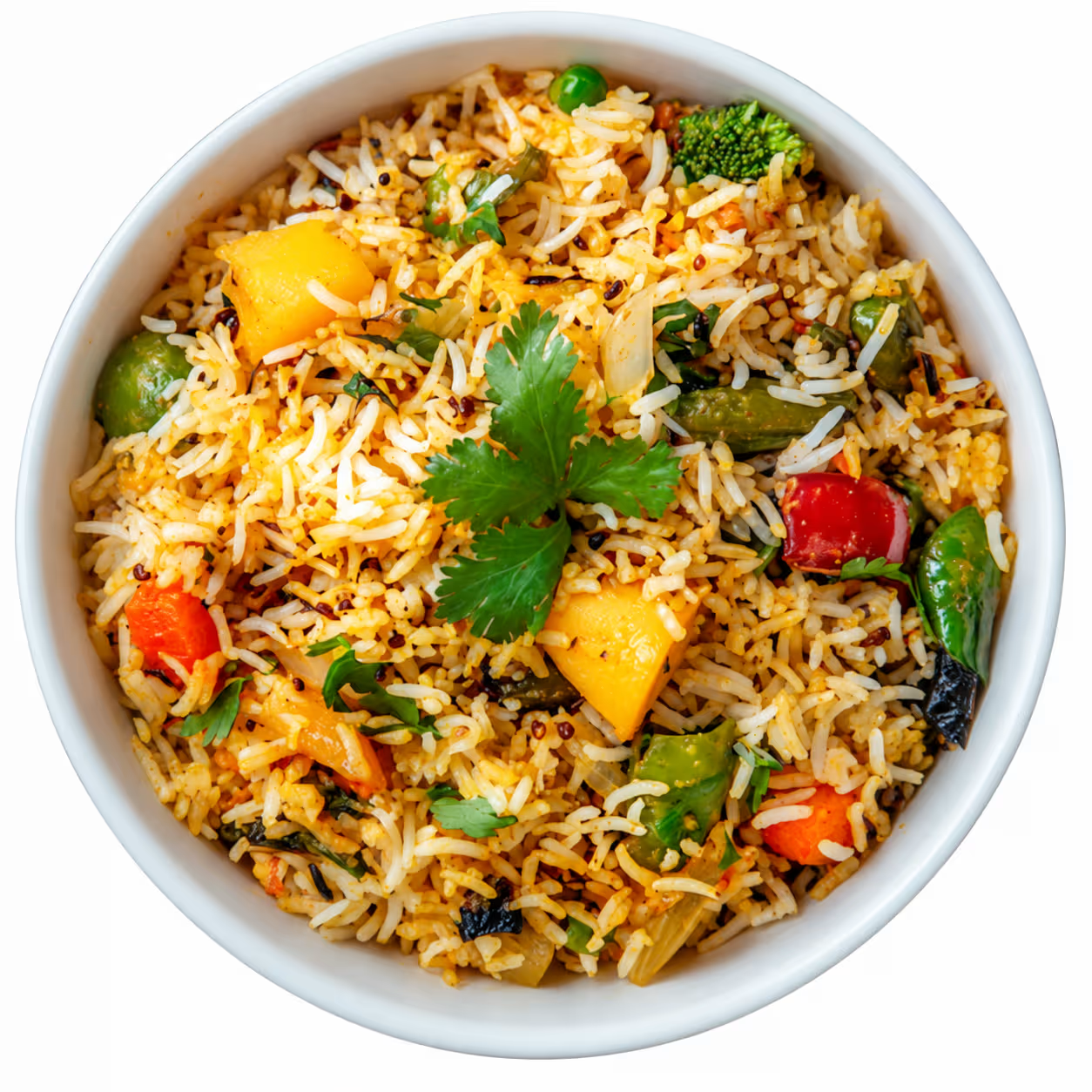
Vegetable Pulao Recipe – Easy Pakistani Vegetable Pulao
A well-made vegetable pulao recipe combines fragrant basmati rice, colorful vegetables and aromatic whole spices in one satisfying dish. The rice is cooked in a seasoned liquid so that every grain absorbs the flavor of the spices and vegetables.
This Pakistani vegetable pulao is a practical vegetarian meal for busy weekdays, family lunches and light dinners. It can be made with a combination of carrots, peas, potatoes, green beans and other vegetables, depending on what you have available.
Unlike heavily spiced rice dishes, vegetable pulao usually focuses on fragrance and balance. The goal is fluffy rice, tender vegetables and a gentle aroma from whole spices rather than an overpowering masala.
This guide explains not only how to prepare the pulao, but also how to prevent mushy rice, choose vegetables, adjust the liquid and adapt the recipe for different cooking methods.
What Is Vegetable Pulao?
Vegetable pulao is a rice dish in which basmati rice is cooked with vegetables, aromatic spices and seasoned cooking liquid.
It is related to pilaf-style rice dishes found across many parts of South Asia and beyond. In Pakistani home cooking, vegetable pulao can vary from a simple rice dish with peas and carrots to a more elaborate mixed vegetable pulao containing several seasonal vegetables.
The defining characteristic is that the rice cooks in a flavorful liquid rather than being served as plain boiled rice with vegetables added afterward.
What Does Pakistani Vegetable Pulao Taste Like?
Pakistani vegetable pulao is generally aromatic, savory and moderately spiced.
The flavor comes from:
- Fragrant basmati rice
- Sweetness from carrots and onions
- Freshness from green peas and herbs
- Warmth from whole spices
- Mild heat from green chilies
- Savory seasoning from the cooking liquid
The vegetables should remain recognizable rather than becoming a soft vegetable paste.
Vegetable Pulao vs. Vegetable Biryani
Vegetable pulao and vegetable biryani are often confused because both contain rice and vegetables.
| Feature | Vegetable Pulao | Vegetable Biryani |
|---|---|---|
| Cooking method | Rice commonly cooks directly in seasoned liquid | Rice and vegetable masala are often layered |
| Flavor | Aromatic and balanced | Usually stronger and more complex |
| Spice level | Mild to moderate | Often moderate to hot |
| Rice | Absorbs the vegetable/spice stock | Often partially cooked separately |
| Preparation | Relatively simple | Usually involves more stages |
| Everyday use | Very suitable | Often prepared for special meals |
There are many regional variations, so individual recipes can overlap.
Why You’ll Love This Vegetable Pulao Recipe
This easy vegetable rice recipe is useful for everyday cooking because it does not require complicated techniques.
- It is naturally vegetarian.
- It can be made in one pot.
- It uses commonly available vegetables.
- Basmati rice provides a fragrant base.
- Whole spices create depth without excessive heat.
- It works as a main dish or side dish.
- It can be adapted according to seasonal vegetables.
- It pairs well with raita and salad.
- It can be prepared on the stovetop or adapted for a rice cooker.
The most important technique is getting the rice-to-liquid balance right.
Ingredients for Pakistani Vegetable Pulao
Basmati Rice
Use 2 cups long-grain basmati rice.
Basmati is particularly suitable because its long grains remain distinct when cooked correctly.
Rinse the rice several times before cooking.
Mixed Vegetables
Use approximately 2–3 cups mixed vegetables.
A practical combination includes:
- 1 carrot, diced
- ½–1 cup green peas
- 1 small potato, diced
- ½ cup green beans, chopped
- Optional cauliflower or sweet corn
You do not have to use every vegetable listed.
Choose vegetables with similar cooking requirements or add harder vegetables earlier than softer ones.
Onion
Use 1 medium to large onion, thinly sliced.
Onion provides sweetness and savory depth.
Ginger and Garlic
Use:
- 1 tablespoon fresh ginger
- 1 tablespoon fresh garlic
Fresh aromatics give the pulao a stronger and cleaner flavor.
Green Chilies
Use 1–2 green chilies, chopped.
Adjust according to your preferred heat level.
Whole Spices
A balanced combination can include:
- 1 teaspoon cumin seeds
- 1 bay leaf
- 3 green cardamom pods
- 3 cloves
- 1 small cinnamon stick
- 5–6 black peppercorns
- 1–2 black cardamom pods, optional
Ground Spices
Use:
- ½ teaspoon turmeric powder
- 1 teaspoon coriander powder
- ½ teaspoon red chili powder, optional
- Salt to taste
The recipe does not require a large quantity of powdered spices.
Cooking Fat
Use approximately 2–3 tablespoons oil or ghee.
Ghee gives the rice a richer aroma, while neutral oil keeps the dish lighter.
Water or Vegetable Stock
Use approximately 3–3½ cups total cooking liquid for 2 cups rice, depending on the rice variety and whether the rice has been soaked.
Remember that any stock already in the pot counts toward the total liquid.
Fresh Herbs
Use:
- Fresh coriander
- Optional fresh mint
These provide freshness at the end of cooking.
How to Make Vegetable Pulao Step by Step
Step 1: Rinse the Rice
Place the basmati rice in a bowl.
Rinse it several times under cool water until the water becomes noticeably clearer.
You can optionally soak the rice for approximately 20–30 minutes.
Drain thoroughly before cooking.
Step 2: Prepare the Vegetables
Wash and cut the vegetables into reasonably similar-sized pieces.
Keep harder vegetables such as potatoes and carrots slightly smaller than softer vegetables if necessary so they cook evenly.
Step 3: Heat the Oil or Ghee
Place a heavy-bottomed pot over medium heat.
Add the oil or ghee.
Allow it to heat gently.
Step 4: Add Whole Spices
Add cumin seeds, bay leaf, cardamom, cloves, cinnamon and black peppercorns.
Cook briefly until fragrant.
Do not burn the spices.
Step 5: Cook the Onion
Add the sliced onion.
Cook until softened and lightly golden.
There is no need to brown the onion extremely dark.
Step 6: Add Ginger, Garlic and Green Chilies
Add fresh ginger, garlic and green chilies.
Cook briefly until the raw aroma disappears.
Step 7: Add the Vegetables
Add the prepared vegetables.
Stir them with the onion and spices.
Cook for several minutes so the vegetables become lightly coated and begin to develop flavor.
Step 8: Add the Ground Spices
Add turmeric, coriander powder, optional red chili powder and salt.
Mix gently.
Avoid cooking the powdered spices for too long without sufficient moisture because they can burn.
Step 9: Add the Water or Vegetable Stock
Pour in the water or vegetable stock.
Bring the liquid to a gentle boil.
Taste the liquid before adding the rice.
It should be properly seasoned.
Step 10: Add the Rice
Drain the rice thoroughly and add it to the pot.
Stir gently once to distribute the rice evenly among the vegetables.
Avoid repeated stirring.
Step 11: Cook the Rice
Bring the liquid to a gentle boil.
Cook until the liquid level begins to reduce and the rice is partially cooked.
Step 12: Reduce the Heat
Once most of the liquid has been absorbed, reduce the heat to very low.
Cover the pot tightly.
Step 13: Steam the Vegetable Pulao
Allow the rice to finish cooking through gentle steam.
The vegetables should become tender while retaining some texture.
Step 14: Rest the Pulao
Turn off the heat.
Keep the pot covered for approximately 5–10 minutes.
This helps redistribute moisture.
Step 15: Fluff and Garnish
Gently fluff the rice with a fork or flat spoon.
Garnish with fresh coriander and optional mint.
Serve hot.
How to Choose Vegetables for Mixed Vegetable Pulao
A good mixed vegetable pulao should have a combination of colors, textures and flavors.
Carrots
Carrots provide natural sweetness and bright color.
Green Peas
Peas add sweetness and a soft texture.
Fresh or frozen peas can work well.
Potatoes
Potatoes make the pulao more filling and absorb the surrounding spices.
Green Beans
Beans provide a pleasant firm texture.
Cauliflower
Small cauliflower florets can work well but should not be overcooked.
Sweet Corn
Corn adds sweetness and can be useful in a modern mixed-vegetable variation.
The best combination is ultimately based on what is fresh and available.
How to Keep Vegetables from Becoming Mushy
Different vegetables cook at different speeds.
To maintain texture:
- Cut potatoes into smaller pieces.
- Add harder vegetables earlier.
- Avoid overcooking peas.
- Keep cauliflower florets reasonably small.
- Don’t use excessive water.
- Avoid stirring repeatedly.
The vegetables should be tender enough to eat but should not disappear into the rice.
How to Get Fluffy Vegetable Pulao
Rice texture is one of the most important parts of this dish.
Rinse the Rice
Rinsing removes excess surface starch.
Measure the Liquid
Too much water is a common cause of mushy pulao.
Don’t Stir Excessively
Repeated stirring can break rice grains and release starch.
Keep the Heat Controlled
Bring the liquid to a boil, then reduce the heat for the final steaming stage.
Rest the Rice
Let the pulao rest before fluffing.
How Much Water Does Vegetable Pulao Need?
There is no single water ratio that works for every basmati rice.
The amount depends on:
- Rice variety
- Rice age
- Soaking time
- Pot shape and size
- Heat level
- Vegetable moisture
- Desired texture
For 2 cups of basmati rice, approximately 3–3½ cups total liquid can be a useful starting point for many varieties.
If the rice has been soaked, you may need less liquid than for unsoaked rice.
The best approach is to test your particular rice and adjust future batches accordingly.
Why Is My Vegetable Pulao Mushy?
Mushy pulao is commonly caused by too much liquid or overcooking.
Possible causes include:
- Excess water
- Over-soaked rice
- Excessive stirring
- Cooking for too long
- Heat that is too high
- Using vegetables that release additional moisture
Next time, reduce the total liquid slightly and monitor the rice more carefully.
Why Is My Vegetable Pulao Rice Hard?
Hard rice usually means the grains did not receive enough liquid, heat or steaming time.
If most of the liquid has disappeared while the rice remains firm, add a small amount of hot water.
Cover the pot and continue cooking over low heat.
Avoid adding a large amount of water at once.
How to Make Authentic Pakistani Vegetable Pulao
There is no single universal definition of authentic vegetable pulao because Pakistani households prepare rice dishes differently.
For a traditional Pakistani character, focus on:
- Long-grain basmati rice
- Whole spices
- Fresh onion
- Ginger and garlic
- Moderate seasoning
- Fresh herbs
- Properly cooked vegetables
- Gentle steaming
The goal is aromatic and balanced rice rather than an excessively spicy vegetable masala.
Vegetable Pulao Pakistani Style: Flavor Tips
For a more traditional Pakistani vegetarian rice recipe, consider these practical techniques.
Use Whole Spices
Whole spices create a gentle aroma throughout the rice.
Cook the Onion Properly
Lightly golden onion contributes sweetness and depth.
Season the Cooking Liquid
The rice absorbs the liquid, so it should taste properly seasoned before the rice goes in.
Use Fresh Aromatics
Fresh ginger and garlic make a noticeable difference.
Don’t Overload the Rice with Vegetables
Too many vegetables can change the texture and prevent the rice from cooking evenly.
Vegetable Pulao as a Vegetable Pilaf
The term vegetable pilaf is often used in English-language recipes for rice cooked with vegetables and aromatic ingredients.
Pakistani vegetable pulao fits within this broader family of pilaf-style rice dishes.
However, Pakistani pulao has its own culinary traditions and spice combinations.
The terminology can therefore vary depending on the region and audience.
Stovetop Vegetable Pulao
The stovetop method gives you excellent control over the rice.
A heavy-bottomed pot is preferable.
During the final steaming stage:
- Keep the heat very low.
- Keep the lid closed.
- Avoid stirring.
- Allow enough time for the rice to finish cooking.
This helps produce fluffy grains.
Vegetable Pulao in a Rice Cooker
A rice cooker can simplify the cooking process.
However, you should still sauté the onions, whole spices and vegetables first if your appliance allows it.
Then transfer the mixture to the rice cooker with the rinsed rice and appropriate amount of liquid.
Because rice cookers vary, use the first batch to determine the best liquid level for your particular appliance.
Pressure Cooker Vegetable Pulao
Vegetable pulao generally does not require a pressure cooker because vegetables and rice cook relatively quickly.
If using a pressure cooker, be particularly careful with cooking time.
Rice can become overcooked very quickly under pressure.
Vegetable Pulao Variations
Peas Vegetable Pulao
Use green peas as the main vegetable.
This is a simple and popular variation.
Potato and Peas Pulao
Potatoes and peas create a filling combination.
Carrot and Peas Pulao
Carrots add sweetness and color while peas provide a soft texture.
Spicy Vegetable Pulao
Increase green chilies and red chili powder for a hotter version.
Mild Vegetable Pulao
Reduce the chilies and focus on aromatic whole spices.
Seasonal Vegetable Pulao
Use whatever vegetables are fresh and available, adjusting cooking order according to their texture.
What to Serve with Vegetable Pulao
Vegetable pulao works well with cooling and fresh side dishes.
Raita
Try:
- Cucumber raita
- Mint raita
- Plain yogurt raita
- Onion raita
Fresh Salad
A simple salad can include:
- Cucumber
- Tomato
- Onion
- Lemon
- Fresh coriander
Chutney
Mint and coriander chutney provide freshness and acidity.
Pickle
A small serving of Pakistani pickle can add heat and tang.
Complete Pakistani Vegetarian Rice Meal
For a simple vegetarian meal, serve:
Main: Vegetable pulao
Side: Cucumber or mint raita
Salad: Fresh cucumber, tomato and onion salad
Condiment: Mint chutney or pickle
This combination provides contrasting flavors and textures without making the meal unnecessarily heavy.
How to Store Vegetable Pulao
Allow the cooked rice to cool appropriately before transferring it to a clean airtight container.
Refrigerate leftovers promptly.
For best quality, consume refrigerated leftovers within a few days.
Avoid repeatedly cooling and reheating the same rice.
How to Reheat Vegetable Pulao
For individual portions, microwave reheating is convenient.
Add a small splash of water to the rice and cover loosely.
Heat until thoroughly hot.
For larger portions, reheat gently in a covered pan.
The added moisture helps prevent the rice from becoming dry.
Can Vegetable Pulao Be Frozen?
Yes.
Vegetable pulao can be frozen in airtight freezer-safe containers.
Individual portions are convenient for meal preparation.
After thawing safely, reheat thoroughly.
Vegetables with high water content may have a slightly different texture after freezing, so freshly cooked pulao generally provides the best texture.
Is Vegetable Pulao Healthy?
Vegetable pulao can be part of a balanced meal because it combines rice with vegetables and can be prepared with a moderate amount of cooking fat.
Its nutritional profile depends on:
- Portion size
- Amount of oil or ghee
- Type and quantity of vegetables
- Accompanying foods
For a lighter meal:
- Increase the proportion of vegetables.
- Use a moderate amount of oil.
- Include fresh salad.
- Serve with plain yogurt or raita.
Avoid making broad health claims based solely on the word “vegetable.”
Is Vegetable Pulao Vegan?
A vegetable pulao made with vegetables, rice, vegetable stock and plant-based oil can be vegan.
If using ghee, however, the dish is vegetarian but not vegan.
Also check packaged vegetable stock or spice mixes for animal-derived ingredients if strict vegan preparation is required.
Is Vegetable Pulao Gluten-Free?
Rice itself is naturally gluten-free.
A vegetable pulao made from rice, vegetables and naturally gluten-free spices can therefore be gluten-free.
However, packaged stocks, spice blends and other processed ingredients should be checked carefully for gluten and cross-contact if gluten avoidance is medically necessary.
Is Vegetable Pulao Spicy?
Vegetable pulao can be mild or moderately spicy.
The whole spices provide aroma, while green chilies and red chili powder control the heat.
For a family-friendly version, reduce the chilies.
Frequently Asked Questions About Vegetable Pulao
What is the secret to good vegetable pulao?
The most important factors are good basmati rice, properly measured liquid, balanced whole spices, well-seasoned cooking liquid and gentle steaming.
Which vegetables are best for pulao?
Carrots, peas, potatoes and green beans are particularly useful. Cauliflower and corn can also be added according to preference.
Should I soak rice for vegetable pulao?
Soaking is optional. It can help some basmati rice varieties cook evenly, but the required liquid may need to be reduced when soaked rice is used.
Why does my vegetable pulao become sticky?
Excess liquid, excessive stirring or overcooking can make the rice sticky.
Can I use frozen vegetables?
Yes. Frozen peas and mixed vegetables can be convenient. Adjust the cooking time so softer vegetables do not become overcooked.
Can I make vegetable pulao without onions?
Yes. The onion contributes sweetness and depth but is not essential. You can increase other aromatics and spices if omitting it.
Can I make vegetable pulao without garlic?
Yes. Garlic can be omitted according to dietary preference.
Can I use brown rice?
Yes, but brown rice requires a different cooking time and liquid ratio from basmati rice. Do not use the same measurements without adjustment.
Can I make vegetable pulao in a rice cooker?
Yes. Sautéing the aromatics and vegetables before transferring them to the rice cooker can provide better flavor.
Is vegetable pulao the same as vegetable biryani?
No. They are related rice dishes but generally use different preparation techniques. Vegetable pulao usually cooks rice directly in seasoned liquid, while many vegetable biryani recipes involve layering.
What should I serve with vegetable pulao?
Raita, fresh salad, chutney and pickle are all suitable.
Can I add paneer to vegetable pulao?
Yes. Paneer can be added as a variation, although it changes the dish from a simple vegetable pulao into a richer paneer-and-vegetable rice dish.
Pakistani Spices for Vegetable Pulao
The aroma of Pakistani vegetable pulao comes largely from whole spices.
Common options include:
- Cumin
- Green cardamom
- Cinnamon
- Cloves
- Black pepper
- Bay leaf
- Black cardamom
Ground coriander and turmeric can be used in smaller quantities.
The spices should support the vegetables and rice rather than overwhelm them.
Healthy Cooking Tips for Vegetable Pulao
For a lighter version:
- Use a moderate amount of oil.
- Increase the vegetable-to-rice ratio.
- Use fresh vegetables.
- Avoid unnecessary fried toppings.
- Serve with fresh salad.
- Choose plain yogurt instead of heavy sauces.
- Keep portions appropriate.
The recipe can be adapted without removing its traditional aromatic character.
How to Make Vegetable Pulao More Flavorful
If your pulao tastes flat, check the following:
Season the Liquid
The cooking liquid needs enough salt and seasoning before the rice is added.
Toast the Whole Spices
Briefly frying whole spices in oil or ghee releases their aroma.
Cook the Onion Properly
Lightly golden onion contributes important flavor.
Use Fresh Ginger and Garlic
Fresh aromatics provide a more pronounced flavor.
Don’t Dilute the Stock
Too much water can weaken the flavor.
How to Make Vegetable Pulao for Meal Prep
Vegetable pulao can be useful for meal preparation.
Prepare the pulao, divide it into individual portions and refrigerate or freeze according to your needs.
Store raita and fresh salad separately.
This prevents the vegetables and rice from becoming unnecessarily wet during storage.
How to Make Vegetable Pulao for a Large Family
When scaling the recipe:
- Use a large heavy-bottomed pot.
- Give the rice enough space to expand.
- Keep the liquid ratio controlled.
- Cut vegetables consistently.
- Add harder vegetables earlier.
- Check seasoning before adding the rice.
- Use low heat during final steaming.
Large batches can require slightly different cooking times from small batches.
Common Vegetable Pulao Mistakes
Using Too Much Water
This is the most common cause of mushy rice.
Adding Too Many Vegetables
An excessive amount of vegetables can interfere with rice cooking and change the liquid balance.
Cutting Vegetables Unevenly
Large potato pieces may remain hard while smaller peas become overcooked.
Burning the Spices
Burnt spices can make the whole dish bitter.
Over-Browning the Onion
Very dark onion can add unwanted bitterness.
Stirring the Rice Repeatedly
This can release starch and break the grains.
Opening the Lid Too Often
Steam is important during the final stage.
Cooking on High Heat Throughout
The final steaming stage should be gentle.
How to Adjust Vegetable Pulao for Different Rice Brands
Different basmati rice varieties behave differently.
If the rice is consistently too soft:
- Reduce the liquid slightly.
- Reduce soaking time.
- Check the cooking duration.
If it remains too firm:
- Add a little more liquid.
- Increase the steaming time.
- Make sure the pot is properly covered.
Record what works with your preferred rice brand so future batches are more consistent.
How to Make Vegetable Pulao Less Oily
You do not need a large amount of oil to produce flavorful pulao.
Try:
- Using 2 tablespoons oil for a lighter version.
- Using a nonstick or heavy-bottomed pot.
- Relying on whole spices for aroma.
- Cooking the onions patiently.
- Serving with yogurt-based raita.
How to Make Vegetable Pulao More Aromatic
For a stronger aroma:
- Use freshly purchased whole spices.
- Lightly fry the spices before adding liquid.
- Use fresh ginger and garlic.
- Add fresh coriander at the end.
- Add a small amount of fresh mint if desired.
- Let the finished pulao rest before serving.
Vegetable Pulao for Lunchboxes
Vegetable pulao can be convenient for packed meals because it is relatively easy to portion.
For a lunchbox:
- Keep the spice level moderate.
- Cut vegetables into bite-sized pieces.
- Allow the rice to cool appropriately before packing.
- Store raita separately.
- Use an insulated container if appropriate for your food-storage setup.
Explore More Pakistani Recipes
If you enjoyed this vegetable pulao recipe, explore more recipes in the Zaiqahaus collection.
Rice-Based Dishes
Discover more Pakistani rice recipes and rice-centered meals.
Vegetarian Recipes
Explore more meat-free Pakistani dishes featuring vegetables, lentils and dairy-based ingredients.
Healthy Cooking
Learn practical techniques for preparing balanced everyday meals.
Pakistani Cuisine
Discover traditional Pakistani ingredients, spices, cooking methods and dishes.
Pakistani Spices
Learn how whole and ground spices contribute aroma, warmth and depth to Pakistani food.
For your main recipe hierarchy:
Recipes:
https://staging.zaiqahaus.de/recipes/
For the rice-focused sub-pillar:
Rice Recipes:
https://staging.zaiqahaus.de/recipes/rice-recipes/
For the related rice recipe collection:
Rice Recipe Collection:
https://staging.zaiqahaus.de/category/recipes/rice-recipes/
Final Thoughts
A successful Pakistani vegetable pulao depends on balance. The rice should be fluffy, the vegetables should retain some texture, and the whole spices should provide aroma without overpowering the dish.
The most useful technique is to pay attention to the cooking liquid. Rice absorbs that liquid as it cooks, so the seasoning and quantity of liquid before steaming have a major effect on the finished result.
Once you understand the basic method, you can create different versions of this vegetable pulao recipe using seasonal vegetables while maintaining the characteristic Pakistani pulao style.