Mash Daal Recipe – Authentic Pakistani Urad Dal Curry
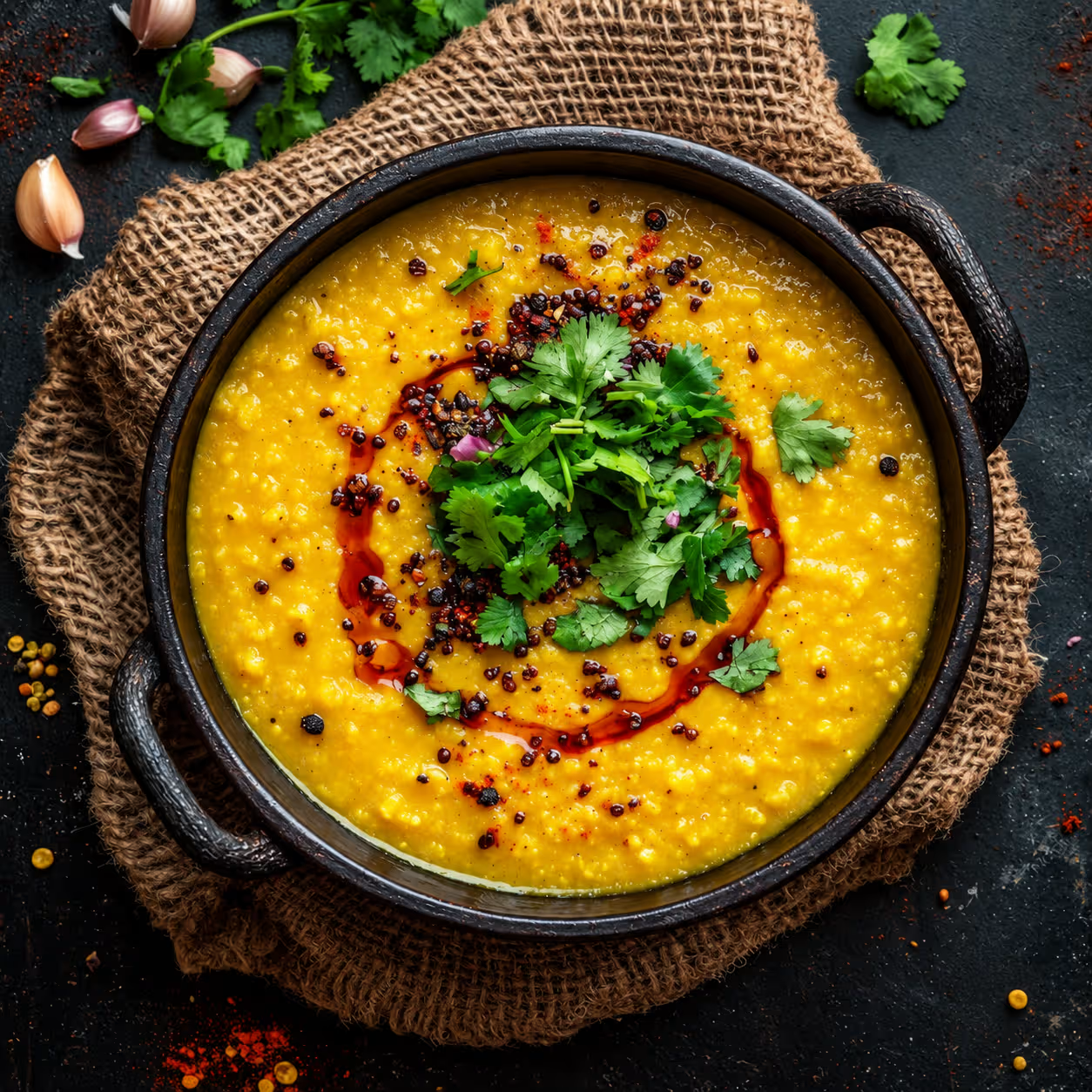
This mash daal recipe is a comforting Pakistani lentil dish made with white urad dal, also known as split and skinned black gram. The lentils are slowly cooked until tender and combined with onions, tomatoes, garlic, ginger and aromatic Pakistani spices before being finished with a flavorful tadka.
Mash daal has a distinctive creamy texture and a rich, earthy flavor. It is commonly served as part of everyday Pakistani home cooking with roti, chapati, naan or basmati rice.
Unlike red lentils or yellow moong dal, urad dal has a naturally thicker and creamier character when cooked. This makes it particularly suitable for hearty lentil curries.
This complete guide explains how to prepare Pakistani mash dal, how to cook urad dal properly, how to control its consistency, how to prepare the tadka, common mistakes, variations, serving ideas, storage and frequently asked questions.
If you are searching for an urad dal recipe with Pakistani flavors, this recipe provides a practical method for making a flavorful white lentil curry at home.
What Is Mash Daal?
Mash daal is a Pakistani preparation made from urad dal, the split and skinned form of black gram.
In Pakistan, it is commonly known as mash ki daal or simply mash daal. The lentils are pale white or cream-colored after their black outer skin has been removed.
When cooked, mash dal develops a naturally creamy and slightly sticky texture. This makes it different from lentils such as chana dal, which generally retain a firmer texture.
Mash daal can be prepared in several ways. Some versions use a simple combination of garlic, cumin, turmeric and chili, while others use an onion-tomato masala and a more substantial tadka.
Mash Daal vs. Sabut Mash Daal
The terminology is important when buying ingredients.
Mash daal generally refers to split and skinned urad dal, which is white or cream-colored.
Sabut mash dal refers to whole black gram, which retains its dark outer skin.
They come from the same type of legume but have different appearances, textures and cooking characteristics.
This recipe uses split, skinned mash dal / white urad dal, not whole sabut mash.
Why You Will Love This Mash Daal Recipe
This Pakistani urad dal recipe is ideal for everyday cooking because:
- It uses straightforward ingredients.
- Urad dal develops a naturally creamy texture.
- It pairs well with rice and flatbreads.
- The spice level is easy to customize.
- A simple tadka adds substantial aroma.
- It works well as a vegetarian main dish.
- It can be made vegan by using vegetable oil instead of ghee.
- Leftovers can be refrigerated and reheated.
- It provides a different texture from red lentil and yellow lentil dishes.
Mash Daal Ingredients
Main Ingredients
For approximately 4 servings:
- 1 cup split and skinned urad dal
- 3–4 cups water
- 1 medium onion, finely chopped
- 2 medium tomatoes, chopped
- 3–4 cloves garlic, minced
- 1-inch piece fresh ginger, grated or finely chopped
- 1–2 green chilies, sliced
- ½ teaspoon turmeric powder
- 1 teaspoon red chili powder
- 1 teaspoon ground coriander
- ½ teaspoon cumin seeds
- ½ teaspoon garam masala
- 1 teaspoon salt, or according to taste
- 2 tablespoons cooking oil or ghee
- 2 tablespoons fresh coriander, chopped
Ingredients for Garlic Tadka
For the finishing tempering:
- 1 tablespoon oil or ghee
- ½ teaspoon cumin seeds
- 2–3 cloves garlic, thinly sliced
- 1–2 dried red chilies, optional
- A pinch of red chili flakes, optional
You can adjust the garlic and chili according to your preference.
How to Make Mash Daal
Step 1: Sort and Rinse the Urad Dal
Spread the lentils on a clean plate and check for any unwanted particles.
Transfer them to a bowl.
Rinse several times with clean water until the water becomes relatively clear.
Step 2: Soak the Mash Dal
Cover the rinsed urad dal with sufficient water.
Allow it to soak for approximately 2–4 hours.
Soaking helps the lentils cook more evenly and can reduce the time required for them to become tender.
After soaking, drain the water and rinse the lentils once more.
Step 3: Cook the Lentils
Place the soaked mash dal in a saucepan.
Add fresh water and turmeric.
Bring the water to a boil.
Reduce the heat and simmer until the lentils become tender.
Stir occasionally, particularly toward the end of cooking.
Urad dal naturally becomes creamy as it cooks, so avoid adding excessive water at once.
If necessary, add hot water gradually.
Step 4: Prepare the Masala
While the lentils are cooking, heat oil or ghee in a separate pan.
Add cumin seeds.
Allow them to sizzle briefly.
Add the chopped onion.
Cook until the onion becomes soft and lightly golden.
Add ginger and garlic.
Cook until fragrant.
Add the chopped tomatoes, red chili powder and ground coriander.
Cook until the tomatoes soften and the masala becomes aromatic.
The mixture should no longer taste strongly of raw onion or tomato.
Step 5: Combine the Daal and Masala
Add the cooked mash dal to the prepared masala.
Stir gently.
Add hot water gradually if the curry is too thick.
Simmer for approximately 5–10 minutes.
Add garam masala toward the end of cooking.
Taste and adjust salt and chili.
Step 6: Prepare the Garlic Tadka
Heat oil or ghee in a small pan.
Add cumin seeds.
When they begin to sizzle, add sliced garlic.
Add dried red chilies if desired.
Cook until the garlic becomes fragrant and lightly golden.
Avoid burning the garlic.
Step 7: Finish the Mash Daal
Pour the hot tadka over the cooked mash dal.
Garnish with fresh coriander.
You can serve it with lemon wedges for additional freshness.
Serve hot with rice, roti, chapati or naan.
How to Make Traditional Pakistani Mash Dal
A traditional Pakistani-style mash dal does not need a large number of spices.
The main flavor comes from the lentils, garlic, ginger, cumin and chili.
For a straightforward Pakistani preparation:
- Rinse and soak the urad dal.
- Cook until tender and creamy.
- Prepare an onion-tomato masala.
- Add garlic and ginger.
- Season with turmeric, chili and coriander.
- Combine the masala and cooked dal.
- Simmer briefly.
- Finish with garlic-cumin tadka.
- Garnish with fresh coriander.
The goal is a flavorful but balanced curry in which the creamy urad dal remains noticeable.
How Long Should Mash Daal Be Soaked?
For split and skinned urad dal, soaking for approximately 2–4 hours is a practical approach.
Soaking allows the lentils to absorb water before cooking and can help them soften more evenly.
If you are short on time, the lentils can be cooked without soaking, although the cooking process may take longer.
Can You Make Mash Daal Without Soaking?
Yes.
To cook without soaking:
- Rinse the dal thoroughly.
- Add it to a saucepan with fresh water.
- Bring to a boil.
- Reduce the heat.
- Simmer until tender.
- Add more hot water if necessary.
- Continue with the masala and tadka.
The exact cooking time depends on the age and quality of the lentils and the cooking method.
How to Cook Mash Daal in a Pressure Cooker
A pressure cooker can be useful when you want to shorten the cooking process.
After rinsing and soaking the lentils:
- Drain the soaking water.
- Add the urad dal to the pressure cooker.
- Add fresh water and turmeric.
- Cook according to your pressure cooker’s instructions.
- Allow pressure to release according to the manufacturer’s instructions.
- Check the texture.
- Prepare the masala separately.
- Combine the cooked dal and masala.
- Finish with the tadka.
Pressure cookers vary, so follow the manufacturer’s recommended cooking instructions rather than relying on a universal cooking time.
How to Cook Mash Daal Without a Pressure Cooker
A normal saucepan works well.
Soak the lentils first if possible.
Add fresh water and bring the dal to a boil.
Reduce the heat and simmer gently.
Stir occasionally to prevent sticking.
When the lentils become soft and creamy, prepare the masala separately and combine it with the cooked dal.
Finish with garlic and cumin tadka.
How to Get the Perfect Mash Daal Consistency
Urad dal naturally becomes thicker and creamier than many other lentils.
Thin Mash Daal
Add additional hot water and simmer briefly.
This consistency works particularly well with rice.
Medium-Consistency Mash Daal
Use enough liquid to create a creamy but pourable curry.
This works well with both rice and roti.
Thick Mash Daal
Use less water and simmer longer.
You can gently mash the lentils to increase their creaminess.
Keep in mind that the dish will become thicker as it cools.
What Does Mash Daal Taste Like?
Mash dal has a mild earthy flavor with a creamy, substantial texture.
The lentils themselves are relatively subtle, allowing aromatics and spices to shape the finished dish.
A well-prepared Pakistani mash dal can have:
- Earthy lentil flavor
- Creamy texture
- Sweetness from cooked onion
- Tanginess from tomato
- Warm cumin aroma
- Garlic fragrance
- Ginger freshness
- Chili heat
- Richness from oil or ghee
- Freshness from coriander
The garlic tadka provides a particularly strong aromatic finish.
Tips for Making Pakistani Mash Dal
Rinse the Lentils Thoroughly
Clean the dal before soaking and cooking.
Soak When Possible
Soaking can help the lentils cook more evenly.
Do Not Add Too Much Water
Urad dal naturally becomes creamy.
Add water gradually rather than flooding the pot.
Cook the Masala Properly
Allow the onion and tomato mixture to cook until the raw flavors disappear.
Use Fresh Garlic
Fresh garlic works especially well in the final tadka.
Avoid Burning the Garlic
Burnt garlic can make the entire dish taste bitter.
Add Garam Masala Near the End
This helps retain its aroma.
Adjust the Consistency Before Serving
Mash dal thickens as it cools, so make it slightly looser if you plan to serve it later.
Common Mash Daal Mistakes
1. Using the Wrong Type of Urad Dal
This recipe uses split and skinned white urad dal.
Sabut mash is a whole black gram and requires different preparation.
2. Not Giving the Lentils Enough Time to Soften
If the dal is still firm, continue cooking rather than trying to compensate with excessive spices.
3. Adding Too Much Water
Excess liquid can dilute the flavor.
Add water gradually.
4. Burning the Tadka
Garlic should become fragrant and lightly golden, not dark and burnt.
5. Over-Spicing the Dal
Urad dal has a delicate earthy flavor.
Too much chili can overwhelm it.
6. Forgetting That Urad Dal Thickens
Always check the consistency before serving.
Add hot water if needed.
Mash Daal Variations
Garlic Mash Dal
Increase the amount of garlic in the tadka for a stronger garlic flavor.
Spicy Mash Dal
Increase green chilies or red chili powder.
Mild Mash Dal
Reduce the chilies and serve with plain rice.
Lemon Mash Dal
Add fresh lemon juice just before serving.
Mash Dal With Spinach
Add chopped spinach toward the end of cooking for a vegetable-rich variation.
Mash Dal With Ghee Tadka
Use ghee instead of vegetable oil for a richer aroma.
Vegan Mash Dal
Use vegetable oil instead of ghee or butter.
What to Serve With Mash Daal
Mash dal can be served with a variety of Pakistani staples.
Basmati Rice
Plain steamed basmati rice is one of the easiest pairings.
The rice absorbs the creamy lentil curry.
Jeera Rice
Cumin rice adds another layer of aroma while complementing the dal.
Roti
Thicker mash dal works particularly well with fresh roti.
Chapati
Chapati provides a simple everyday accompaniment.
Naan
Warm naan makes the meal more substantial.
Salad
A simple cucumber, tomato and onion salad adds freshness.
Pickle
Pakistani pickle adds acidity and heat.
Raita
Plain yogurt or raita can balance a spicy mash dal.
Is Mash Daal Vegetarian?
Yes.
Mash dal can be completely vegetarian when prepared with vegetable oil or ghee.
If you use ghee, the dish is vegetarian but not vegan.
Is Mash Daal Vegan?
Yes, mash dal can easily be made vegan.
Use vegetable oil instead of ghee.
The lentils, vegetables, spices and herbs can all be prepared without animal products.
Is Mash Daal Gluten-Free?
The basic ingredients in this recipe are naturally gluten-free.
If you need to avoid gluten strictly, check packaged spice blends and other processed ingredients for possible gluten-containing ingredients or cross-contact.
Serve with rice or a suitable gluten-free flatbread rather than traditional wheat naan or roti.
How to Store Mash Daal
Allow leftover dal to cool appropriately before transferring it to an airtight container.
Refrigerate leftovers and use them within a few days according to standard food-safety practices.
Urad dal absorbs liquid during storage, so the curry may become noticeably thicker.
How to Reheat Mash Daal
Transfer the refrigerated dal to a saucepan.
Add a small amount of water.
Heat gently while stirring.
Continue heating until thoroughly hot.
Add more water if the consistency is too thick.
Fresh coriander or lemon juice can be added before serving.
Can You Freeze Mash Daal?
Yes, cooked mash dal can be frozen.
Divide it into suitable portions and transfer it to freezer-safe containers.
Leave appropriate room for expansion.
Thaw safely and reheat thoroughly.
Add water during reheating because the lentils will continue absorbing liquid.
How to Meal Prep Mash Daal
Mash dal can be prepared in batches for convenient meals.
A practical method is:
- Rinse and soak the lentils.
- Cook the dal.
- Prepare the masala.
- Combine the ingredients.
- Finish with tadka.
- Cool appropriately.
- Divide into portions.
- Refrigerate portions for short-term use.
- Freeze portions for longer storage.
- Reheat with water when required.
Prepare rice or flatbread separately for better texture.
Mash Daal vs. Moong Daal
Mash dal and moong dal are both common Pakistani lentil dishes, but they have noticeably different characteristics.
Mash dal is made from urad dal and develops a creamy, substantial texture.
Moong dal is made from mung beans and generally has a lighter texture and milder flavor.
Mash dal is particularly useful when you want a thicker, richer-feeling lentil curry.
Moong dal is often chosen when a lighter lentil preparation is preferred.
Mash Daal vs. Masoor Daal
Masoor dal is made from red lentils and generally cooks faster.
Mash dal uses urad dal and has a creamier and more substantial texture.
The two can be prepared using similar methods involving aromatics, spices and tadka, but their final texture and flavor are different.
Explore our Lentil (Daal) Recipes collection for more varieties.
Mash Daal vs. Sabut Mash
This distinction is particularly important.
Mash dal: split and skinned urad dal, usually white or cream-colored.
Sabut mash: whole black gram with the dark outer skin intact.
Sabut mash generally requires a different cooking approach and produces a darker, more textured dish.
If a recipe specifically calls for white mash dal, use split and skinned urad dal rather than whole black gram.
Frequently Asked Questions About Mash Daal
What is mash daal?
Mash daal is a Pakistani lentil dish generally made with split and skinned urad dal. It is cooked with aromatics and spices and often finished with a garlic or cumin tadka.
Is mash dal the same as urad dal?
Mash dal is the Pakistani name commonly used for urad dal, particularly the split and skinned form used in this recipe.
What is white lentil curry?
White lentil curry can refer to a curry made from pale-colored lentils such as split and skinned urad dal. In Pakistani cooking, mash daal is one example.
Is sabut mash the same as mash dal?
No. Sabut mash refers to whole black gram, while mash dal generally refers to split and skinned urad dal.
Does mash dal need soaking?
Soaking is recommended because it can help the lentils cook more evenly. Approximately 2–4 hours is a practical soaking period for this recipe.
Can I cook mash dal without soaking?
Yes. It can be cooked without soaking, although the cooking process may take longer.
Why is my mash dal too thick?
Urad dal naturally thickens as it cooks and cools. Add hot water gradually and stir until the desired consistency is reached.
Why is my mash dal watery?
Simmer the dal uncovered for a few minutes to allow excess liquid to evaporate.
Why is my mash dal sticky?
Urad dal naturally contains starches that contribute to its creamy texture. Excessive cooking or vigorous stirring can make it even thicker and stickier.
How can I make mash dal more flavorful?
Use fresh garlic, ginger and cumin, properly cook the onion-tomato masala and finish the dish with a fresh garlic-cumin tadka.
Can I make mash dal without tomatoes?
Yes. Prepare it with onion, garlic, ginger and spices and add lemon juice before serving if you want additional acidity.
Can I make mash dal without onion?
Yes. Garlic, ginger, cumin, green chili and a flavorful tadka can still create a satisfying dish.
Can children eat mash dal?
Mash dal can be served as a family meal. For children who prefer mild food, reduce or omit the chilies.
Can I make mash dal in a pressure cooker?
Yes. Pressure cooking can be used, but the appropriate settings depend on your specific appliance. Follow its manufacturer’s instructions.
What should I serve with mash dal?
Mash dal works well with basmati rice, jeera rice, roti, chapati or naan. Fresh salad, pickle and raita are also suitable accompaniments.
Can I use ghee instead of oil?
Yes. Ghee provides a richer aroma. Use vegetable oil for a vegan preparation.
How to Make a Complete Pakistani Mash Dal Meal
For a simple family meal, serve mash dal with steamed basmati rice.
While the dal is cooking, prepare a fresh salad using cucumber, tomato, onion, coriander and lemon.
Finish the dal with garlic-cumin tadka.
Serve with lemon wedges and a small amount of pickle.
For a flatbread meal, prepare a slightly thicker mash dal and serve it with fresh roti or chapati.
How to Make Mash Daal More Aromatic
The finishing tadka is one of the easiest ways to increase aroma.
Heat a small amount of oil or ghee.
Add cumin seeds.
Once they sizzle, add sliced garlic and dried red chili.
Cook until the garlic becomes lightly golden.
Immediately pour the tadka over the cooked dal.
Finish with fresh coriander.
The hot oil helps distribute the aroma of the garlic and spices across the surface of the lentils.
Cooking Notes for Consistent Results
For reliable results, pay attention to a few basic details:
- Use the correct type of urad dal.
- Rinse the lentils before soaking.
- Soak when possible.
- Add water gradually.
- Cook the dal until properly tender.
- Avoid excessive stirring.
- Cook the onion-tomato masala thoroughly.
- Do not burn the garlic.
- Adjust the consistency before serving.
- Remember that the dal thickens as it cools.
- Add fresh herbs at the end.
These fundamentals matter more than adding a very large number of spices.
Explore More Pakistani Recipes
If you enjoyed this mash daal recipe, explore more recipes from our Pakistani cooking collections:
- Recipes
- Lentil (Daal) Recipes
- Pakistani Cuisine
- Traditional Pakistani Dishes
- Vegetarian Recipes
- Pakistani Spices
- Daal Recipes Collection
These related pages help readers move naturally from the main recipe collection into lentils, Pakistani cuisine, traditional dishes and individual recipes.
Recipe Summary
This mash daal recipe uses split and skinned urad dal cooked until tender and creamy.
The lentils are combined with an onion-tomato masala containing garlic, ginger, cumin and Pakistani spices.
A final garlic-cumin tadka provides additional aroma and flavor.
Serve the finished mash dal with basmati rice, roti, chapati or naan.
For a vegan version, use vegetable oil instead of ghee.
Final Thoughts
Mash daal is a distinctive part of Pakistani lentil cooking because of its naturally creamy texture and earthy flavor.
The combination of urad dal, garlic, ginger, cumin, tomatoes and Pakistani spices creates a satisfying dish without requiring an elaborate ingredient list.
The most important detail is using the correct lentil. For this recipe, choose split and skinned white urad dal, rather than sabut mash, which is whole black gram.
Whether served with fragrant basmati rice or fresh roti, this Pakistani mash dal makes a practical everyday meal and provides a delicious way to explore the variety of traditional Pakistani daal recipes.
Continue exploring our Lentil (Daal) Recipes and Pakistani Cuisine collections for more traditional dishes.